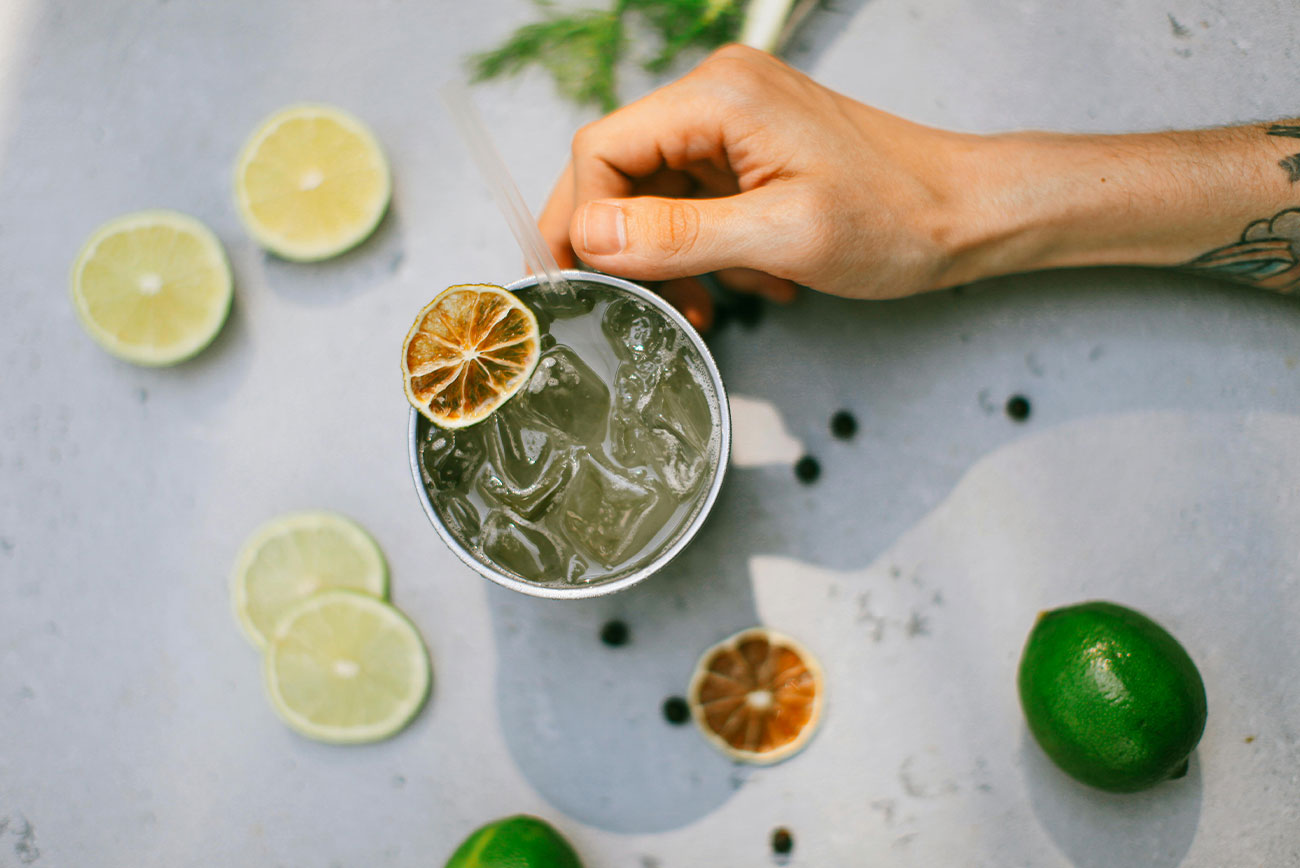
The idea of going “soberish” is gaining traction among people who aren’t ready—or don’t feel the need—to give up alcohol entirely but want to live more consciously. It’s a balanced, harm-reduction approach to drinking that focuses on health, mindfulness, and choice rather than all-or-nothing thinking. Across the country, individuals like Christine Mosley, Katie Nessel, and Kim Gamez are redefining what sobriety looks like in everyday life—and proving that moderation can be a meaningful path toward wellness.
Below are 12 ways anyone can begin exploring a soberish lifestyle, complete with insights and stories from those already living it.
1. Understand What “Soberish” Really Means
At its core, being soberish means drinking mindfully—sometimes less, sometimes not at all. It’s about paying attention to how alcohol affects mood, energy, sleep, and health, and adjusting consumption accordingly.
For Christine Mosley, a San Francisco marketing manager, the realization came after one particularly rough hangover. She told reporters:
“I want to emphasize the ‘-ish’ part—not to be dry but to increase the number of dry days.”
That simple mindset shift has helped many reframe their drinking from guilt-based abstinence to self-aware moderation. Soberish living encourages people to notice patterns, experiment with alcohol-free periods, and ask honest questions: Why am I drinking? How does it make me feel? What happens when I stop?
2. Start Small: Increase Your Dry Days
Rather than declaring lifelong sobriety, many soberish individuals start by adding more alcohol-free days into their week. Apps like Reframe or Less can help track progress and offer education about alcohol’s effects.
Research shows that even moderate reductions can:
- Improve sleep quality and immune function
- Lower blood pressure and inflammation
- Reduce anxiety and “hangziety”—the post-drinking jitters many experience the next morning
Psychologist Barbara Wood explains that for some, complete sobriety remains necessary, but for others, simply cutting back delivers measurable benefits without the intimidation of “forever.”

3. Learn the Science: Why Alcohol Impacts Everyone Differently
Understanding how alcohol interacts with the body can be a major motivator for change. Modern studies reveal that no amount of alcohol is risk-free, challenging the once-popular myth of “healthy moderate drinking.”
Soberish advocates often emphasize self-education. Katie Nessel, creator of Soberish Mom, said:
“Once I started educating myself on the health risks, it felt like the veil had been lifted. It’s a carcinogen linked to seven different types of cancer… that was enough to scare me into drinking less forever.”
Knowledge removes denial and empowers personal choice. Whether you’re concerned about sleep, liver function, or long-term disease risk, the more you know, the easier it becomes to choose wellness over routine drinking.
4. Replace the Ritual, Not Just the Drink
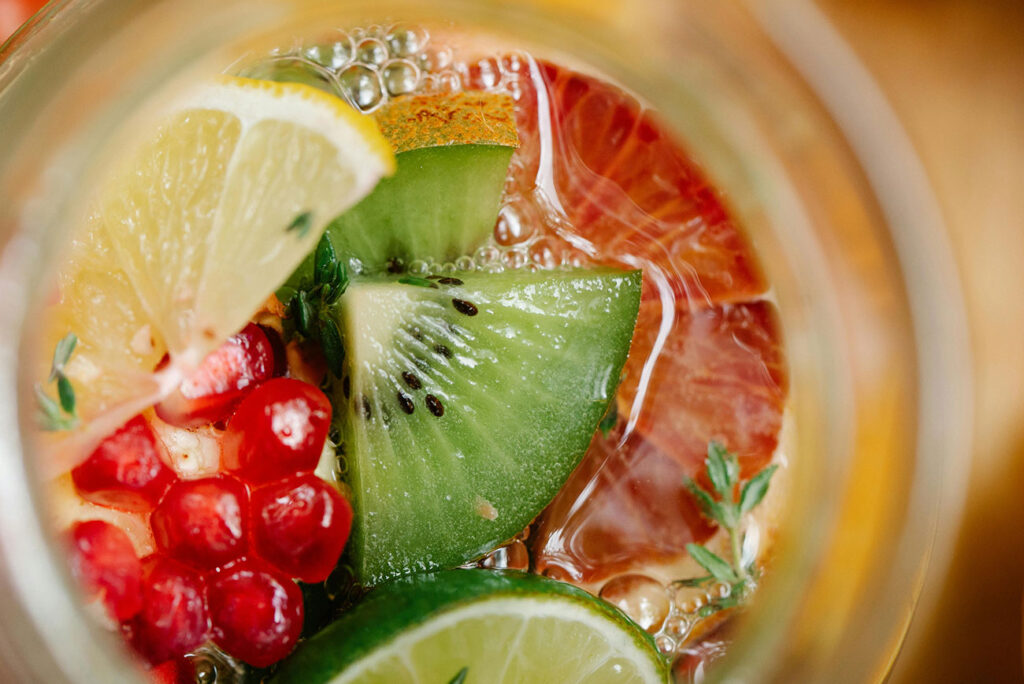
For many, alcohol isn’t just a beverage—it’s a ritual. Replacing that evening pour with something intentional helps fill the emotional gap.
Nessel encourages followers to romanticize the alcohol-free experience:
“Think about your glassware, your garnish, and put as much care and thought into it as you would a real cocktail. You’re still drinking—it’s just not drinking alcohol.”
Her mocktail videos, like the viral orange-ice-cube tutorial that reached ten million views, show that “soberish” living can be stylish, sensory, and social. Simple swaps—sparkling botanicals, herbal tonics, or zero-proof spirits—make the experience feel just as celebratory.

5. Build Community and Connection
The soberish movement thrives on community. Instagram accounts, podcasts, and blogs connect like-minded people who want to talk openly about mindful drinking without judgment.
Nessel credits her online community with helping normalize cutting back:
“The most rewarding part of running Soberish Mom has been the messages from followers sharing how the account inspired real changes in their health and well-being.”
For those without a local network, social media spaces like #Soberish, #MindfulDrinking, or #DryButNotBoring offer daily encouragement, recipes, and solidarity.

6. Ditch All-or-Nothing Thinking
The biggest mental hurdle for many is perfectionism—the idea that if you can’t quit completely, you’re failing. But soberish living rejects that binary.
Stanford drug-policy expert Keith Humphreys compares it to weight loss:
“A slight decrease is still a benefit, and it’s OK to shoot for that rather than the potentially demoralizing goal of perfection.”
This harm-reduction mindset allows for flexibility. Missed a dry day? That’s data, not defeat. What matters most is progress, not purity.
7. Explore Functional and Non-Alcoholic Alternatives
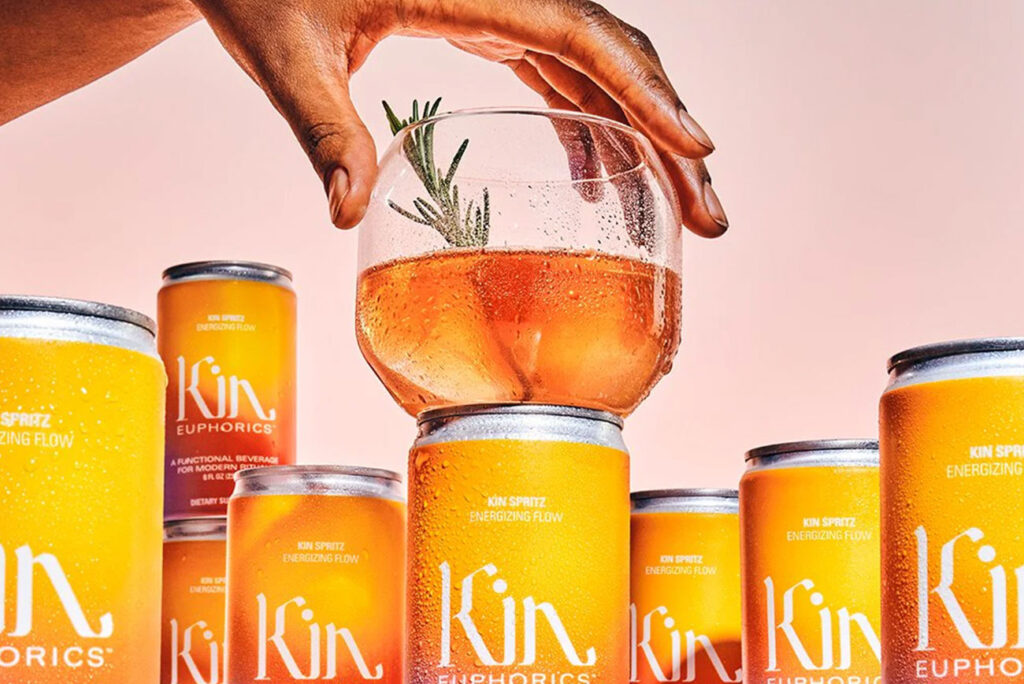
The booming non-alcoholic beverage industry proves that people crave options. Online shops like Sober(ish)—founded by Kim Gamez—sell products that range from euphoric botanical elixirs to hemp-infused “buzz-without-the-booze” drinks.
Gamez started her marketplace after losing her father to alcohol-related illness and supporting her mother through recovery. She explained:
“I was tired of the hangovers and wanted something fun that didn’t come with all the negative side effects of alcohol. There had to be a better way to enjoy life.”
Her platform bridges wellness and indulgence by spotlighting functional beverages that enhance mood and relaxation naturally.
Tatiana Mercer, co-founder of one partner brand, summed it up:
“People aren’t just cutting out alcohol; they’re seeking drinks that offer more—mood enhancement and well-being.”
From herbal adaptogen tonics to cannabis seltzers like Magic Cactus, there’s now a vast menu of mindful options for socializing without intoxication.

8. Practice Patience and Self-Compassion
Transitioning to a soberish lifestyle takes time. Habits, social cues, and emotional triggers don’t disappear overnight.
Nessel openly admits that it wasn’t easy:
“It took time to adapt, but with new hobbies, set goals, and supportive communities, the transition proved smoother than a perfectly shaken mocktail.”
Whether you slip up or succeed, the key is to treat yourself kindly. Guilt-driven abstinence rarely lasts; curiosity and compassion do.
9. Redefine Fun and Social Connection
Social events can be challenging for those cutting back, but a soberish mindset reframes what fun means. Instead of centering gatherings around alcohol, consider conversation, music, food, or activities as the focus.
Nessel notes:
“Now, when I’m out, I feel fulfilled just being around other adults. Or at a date night, I might have one drink—but it’s about being patient and kind with yourself.”
Community is essential to human happiness, and the soberish lifestyle emphasizes connection over consumption. The buzz, after all, comes from belonging.
10. Model Balance for the Next Generation
For many parents, mindful drinking isn’t just personal—it’s about setting an example. Nessel’s reflections on parenting in a “mommy-wine culture” resonate with countless followers:
“I really bought into that narrative—‘I deserve this glass after surviving bedtime.’ But as soon as I started drinking less, my patience with my kids improved. My anxiety and confidence improved. Plus, parenting hungover is maybe the worst thing imaginable.”
By modeling balance, parents show children that coping doesn’t require numbing. It’s a subtle but powerful shift toward emotional health and authenticity.
11. Remember: Your Version of “Soberish” Is Your Own
There’s no single way to practice soberish living. For some, it means full abstinence after years of trying moderation; for others, it means reserving drinks for rare occasions.
Kayla Lyons, author of Soberish, describes her journey candidly:
“A.A. saved my life, but I don’t think anything in life is binary.”
The takeaway? Everyone’s path is personal. What matters is intentionality—making conscious choices that support your physical, mental, and emotional well-being.
12. Celebrate Progress, Not Perfection
The soberish movement reminds us that growth happens in gradients. Each skipped drink, each mindful moment, is a win.
Kim Gamez put it best when describing her mission:
“Sober(ish) is all about offering fun, easy options that give you a buzz without the booze—and without the regret the next day.”
It’s a philosophy rooted in self-respect: celebrate what’s working, forgive what’s not, and keep moving toward a clearer, calmer life.
Conclusion: The Future Is Sober(ish)
The cultural tide is shifting. As younger generations prioritize wellness and transparency, the appeal of hangover-free mornings and anxiety-free nights is undeniable. “Soberish” living captures that balance—fun without fallout, mindfulness without restriction.
From Christine Mosley’s honest self-assessment to Katie Nessel’s viral mocktails and Kim Gamez’s innovative beverage marketplace, a common theme emerges: you don’t have to drink to belong. You only have to choose what makes you feel alive, clear, and in control.