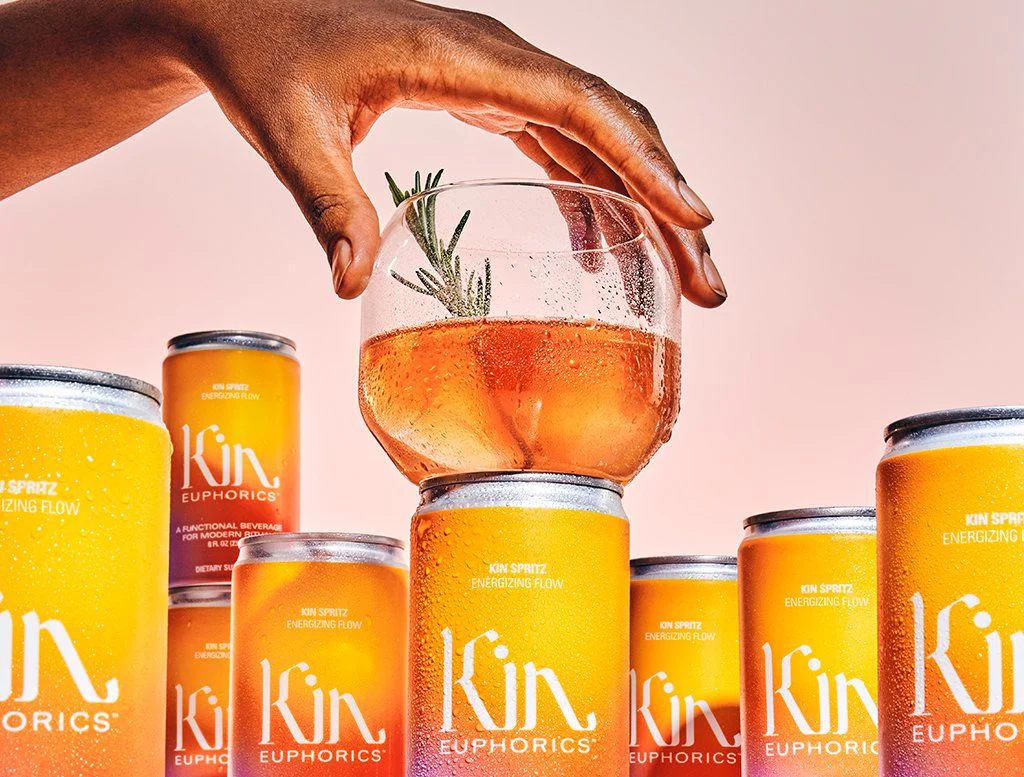
The sober curious movement is more than a passing wellness trend — it’s a cultural and behavioral shift reshaping how people think about alcohol. Unlike strict sobriety, being “sober curious” doesn’t mean never drinking again. Instead, it’s about pausing to ask: How does alcohol affect me — physically, mentally, emotionally, and socially?
This growing movement, embraced by millions worldwide, invites individuals to make more conscious choices about drinking. As health data mounts and public attitudes evolve, many are discovering that drinking less — or not at all — offers more clarity, energy, and balance. Below are 10 key insights into what makes the sober curious lifestyle one of the most empowering wellness choices today.
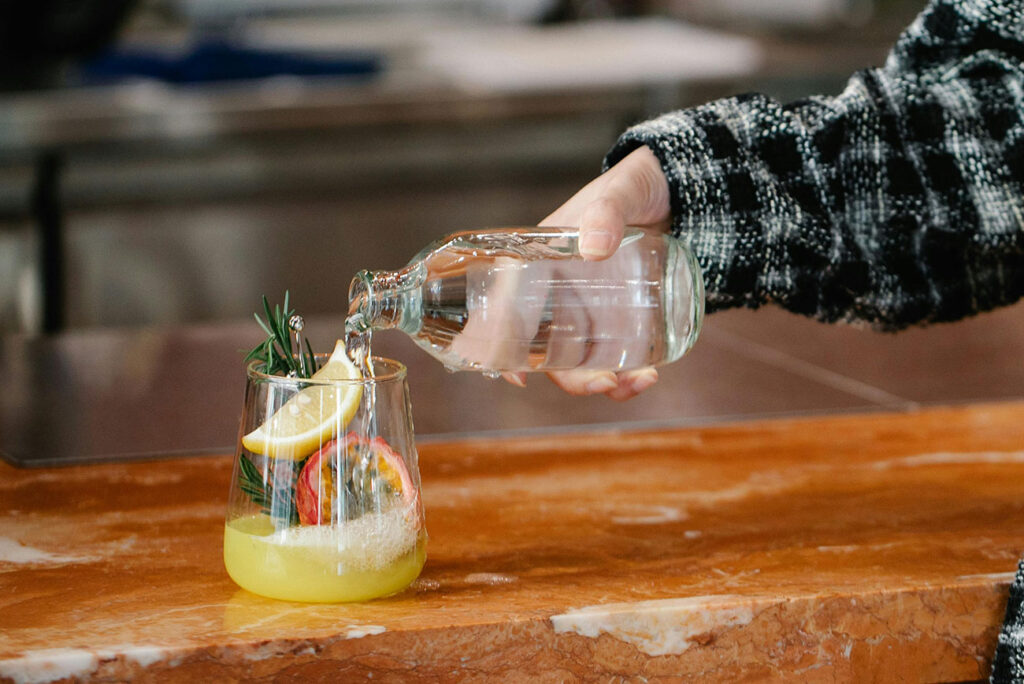
1. The Sober Curious Movement Emphasizes Choice, Not Rules
Unlike abstinence-based sobriety programs, sober curiosity is about exploration. It invites people to look at alcohol without judgment and decide what role — if any — it plays in their lives.
Being sober curious doesn’t mean swearing off alcohol forever. It means asking questions like:
- Why am I drinking right now?
- How does this make me feel tomorrow?
- Would I enjoy this moment just as much without alcohol?
As sober coach Gayle Macdonald, founder of Sober Bliss, explains:
“It’s not about giving up alcohol completely or forever, which can be quite scary or steeped in shame and guilt. It’s more about looking at your relationship with alcohol and the role it plays in your life.”
This curiosity-driven mindset replaces guilt with self-awareness — a foundation for sustainable change.
2. A Generational Shift Is Driving the Movement
The sober curious trend has gained momentum largely thanks to younger generations, especially Millennials and Gen Z. These groups prioritize mental clarity, emotional balance, and overall wellness over social drinking norms.
According to a study published in JAMA Pediatrics, the number of U.S. college students aged 18 to 22 who refrained from drinking rose from 20% in 2002 to 28% in 2018. Gen Z, in particular, values transparency and authenticity — and alcohol often feels misaligned with those values.
Younger people aren’t rejecting fun; they’re redefining it. To them, sobriety is not about restriction — it’s about alignment, intention, and self-respect.

3. Social Media Has Made Sobriety Cool
Platforms like TikTok and Instagram have amplified the sober curious movement through influencers and online communities. Hashtags such as #sobercurious, #mindfuldrinking, and #soberlife reach millions of views.
Short videos showcasing mocktail recipes, sober festivals, and hangover-free mornings inspire curiosity and community. These digital spaces normalize non-drinking and celebrate clarity.
Creators share authentic stories of confidence and mental health — not just the absence of alcohol — making the movement aspirational. Online communities like Club Soda, founded by Laura Willoughby, create support networks that make the transition easier. As Willoughby puts it:
“Connecting with others online creates a sense of community and is a way to create some accountability for your change – it’s important to know that you are not alone.”
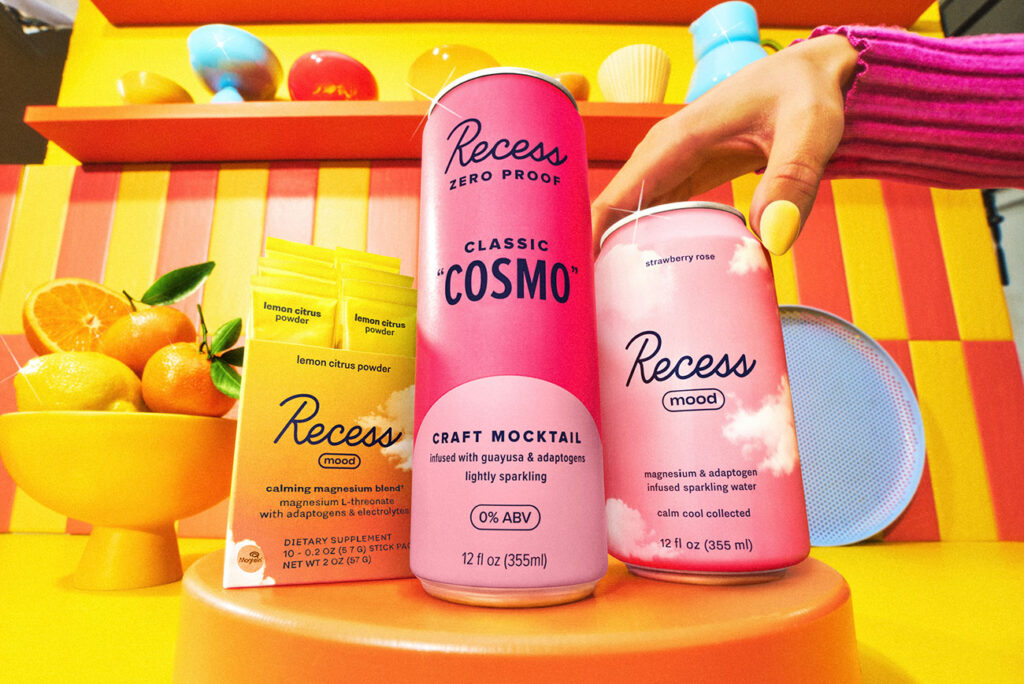
4. Alcohol-Free Products Are Redefining the Market
The demand for non-alcoholic drinks has exploded. From alcohol-free spirits and beers to complex mocktails, beverage companies are rapidly innovating.
According to Google Trends data, searches for “non-alcoholic drink” and “non-alcoholic beer” surged in 2022. Bars and restaurants now offer sophisticated alcohol-free menus, and “sober bars” are appearing in major cities.
This shift signals an important cultural change: not drinking no longer means missing out. Instead, it expands options and empowers choice.
Popular alcohol-free options include:
- Mocktails crafted with fresh herbs and botanicals
- Alcohol-free wines and beers with complex flavor profiles
- Adaptogenic tonics that support relaxation without intoxication
The future of socializing is inclusive — with space for everyone at the table.

5. The Health Benefits Are Significant
One of the biggest motivators for going sober curious is the science-backed health payoff. Cutting back on alcohol can improve almost every aspect of well-being, from sleep to mental health.
Some key benefits include:
- Better sleep quality — Alcohol disrupts REM cycles, leading to grogginess and fatigue.
- Improved mental clarity — Drinking less enhances focus and reduces brain fog.
- Weight management — Fewer empty calories mean easier weight control.
- Healthier digestion — Alcohol irritates the stomach lining and gut microbiome.
- Improved mood — Cutting back can reduce anxiety and depressive symptoms.
- Lower disease risk — Reduced alcohol use decreases the likelihood of liver disease, cancer, and cardiovascular problems.
A Nature study found that even one drink per day may lead to brain shrinkage, while a 2023 Canadian study linked low-level drinking to increased mortality risk.

6. Sober Curiosity Improves Mental Health
Many discover that removing or reducing alcohol helps them manage stress and anxiety more effectively. Alcohol temporarily numbs emotions, but over time it can amplify them.
As mental health awareness grows, people are realizing that alcohol often worsens — not eases — emotional challenges. Gen Z, in particular, is leading open discussions around anxiety, burnout, and self-regulation.
By embracing sober curiosity, individuals can:
- Recognize triggers instead of masking them
- Build emotional resilience through therapy, journaling, or mindfulness
- Regain control over thoughts and mood
Sober curiosity isn’t just about saying no — it’s about saying yes to emotional clarity.

7. Economic Awareness Supports the Shift
In today’s economy, drinking feels increasingly expensive — and unnecessary. Rising prices at bars and restaurants make alcohol a luxury many are willing to skip.
Gen Z and Millennials are particularly mindful of financial wellness. Alcohol-free living aligns perfectly with minimalist values and mindful spending. A night of mocktails or sparkling water can save money while preserving energy for the next day.
Consider the cost perspective:
- Skipping weekend drinks can save hundreds monthly.
- Investing in health (fitness, nutrition, self-care) offers longer-term rewards.
- Reducing hangovers improves productivity — an underrated financial benefit.
This practical awareness reinforces why sobriety is smart, not restrictive.

8. How to Explore a Sober Curious Lifestyle
The journey doesn’t require perfection — just curiosity. Experts recommend small, intentional steps to begin.
Try these strategies:
- Journal your experiences — Note when you drink, why, and how you feel afterward.
- Set boundaries — Decide which occasions you’ll skip alcohol at.
- Find your go-to alternative — Discover a favorite alcohol-free beverage.
- Reflect weekly — Notice changes in sleep, mood, and focus.
- Seek community — Follow sober podcasts, online groups, or local meetups.
As Gayle Macdonald notes:
“You could try keeping a journal of any benefits you experience after choosing not to drink, like better sleep, no hangovers, and less anxiety. This evidence could help you see that you can have fun, relax, and cope without alcohol.”
The key is flexibility — progress, not perfection.

9. The Role of Community and Support
Choosing to drink less can feel isolating at first, especially in social environments that revolve around alcohol. That’s why connection is critical.
Online forums, sober coaches, and peer groups provide understanding and encouragement. Platforms like Club Soda, Sober Bliss, and countless Instagram communities help normalize sober living.
These groups share stories, host events, and offer tips for navigating parties or holidays. Participants quickly discover that support, not willpower, sustains long-term change.
Supportive relationships also matter offline. Friends and family can help by:
- Respecting boundaries
- Offering alcohol-free options
- Avoiding pressure or teasing
As Willoughby puts it:
“Please respect their decision and don’t pressure them to drink. You might find that you discover new ways of socialising too outside of alcohol.”

10. Sober Curiosity Reflects Broader Lifestyle Values
For many, sober curiosity isn’t just about alcohol — it’s about living intentionally. It complements plant-based eating, mindfulness, and sustainability movements.
People who question drinking often question other habits, too. They want choices that align with their values — not societal expectations. In this sense, sober curiosity becomes an identity rooted in authenticity, purpose, and balance.
The decision to drink less can spark transformation across all areas of life: relationships, productivity, creativity, and health. It reflects a cultural shift from escape to empowerment.

11. What the Future of Drinking Looks Like
Alcohol isn’t disappearing — but its dominance is fading. Social gatherings increasingly accommodate both drinkers and non-drinkers, reflecting a broader shift toward inclusivity and wellness.
The sober curious movement is changing what it means to celebrate, connect, and unwind. It offers a middle ground — one that prioritizes well-being without judgment.
As more people discover the benefits of mindful drinking, they’re finding that clarity, connection, and control are far more satisfying than any hangover.