Coffee raves are rewriting the rules of nightlife—and doing it before noon. Across Los Angeles, Atlanta, Singapore, London, and D.C., crowds are swapping late-night bottle service for daytime dance floors powered by espresso, matcha, and house music. What started as a niche curiosity has rapidly become a global cultural shift: a movement blending wellness, creativity, and communal joy in places once reserved for quiet lattes and laptop work.
This listicle breaks down 13 ways coffee raves are transforming the way people gather, drawing from insights and quotes across leading organizers, DJs, café owners, and early adopters.
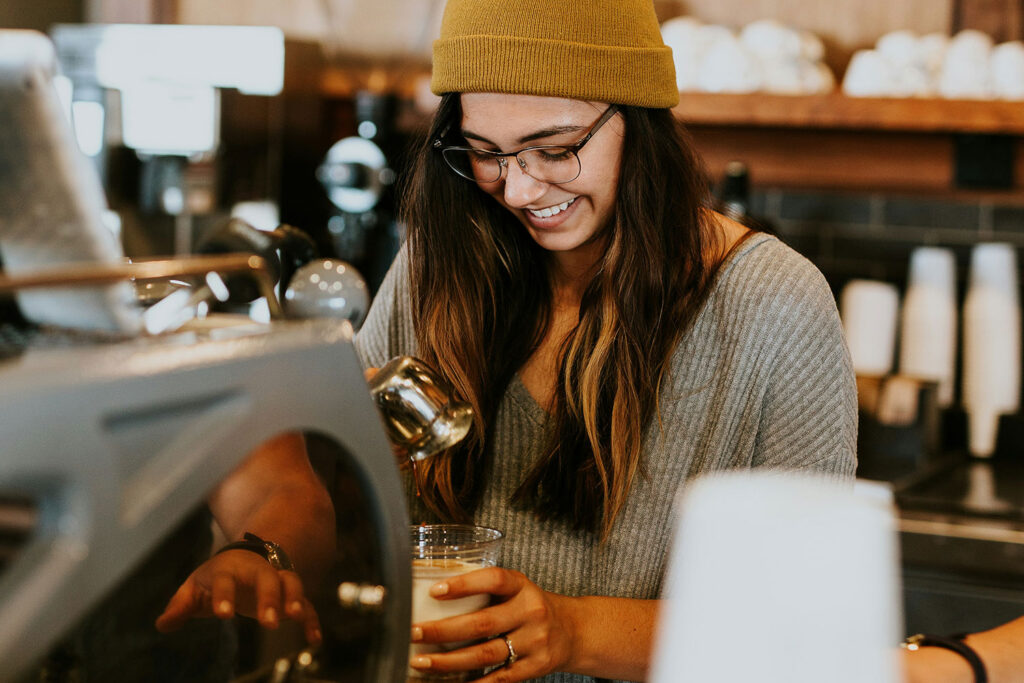
1. Coffee raves are redefining the meaning of “nightlife”
The first—and most important—shift is philosophical: nightlife is no longer dependent on the night. Coffee raves have introduced a version of club culture that prioritizes connection over consumption, energy over escapism, and accessibility over exclusivity.
Early-morning or mid-afternoon dance events offer a way for people to socialize without needing to stay out late or rely on old nightlife norms. Many attendees simply want a space where they can dance, connect, and tap into joy—all without throwing off their sleep schedule.
As DJ Steve Cardigan pointed out:
Club culture died in 2024.
But rather than fading, it evolved. Morning dance culture filled the gap.
2. They’re exploding in popularity around the world
Coffee raves aren’t a microtrend—they’re a global movement.
- 478% increase in coffee-club events this year on Eventbrite
- 300% increase in Atlanta alone
- Café raves drawing hundreds to thousands of RSVPs
- New events launching from Dubai to L.A. to D.C.
Eventbrite now calls the movement soft clubbing, and organizers are seeing growth similar to early festival booms.
Brandon Wells of Wells Coffee Company described the enthusiasm:
This isn’t just a little event. It’s a movement.
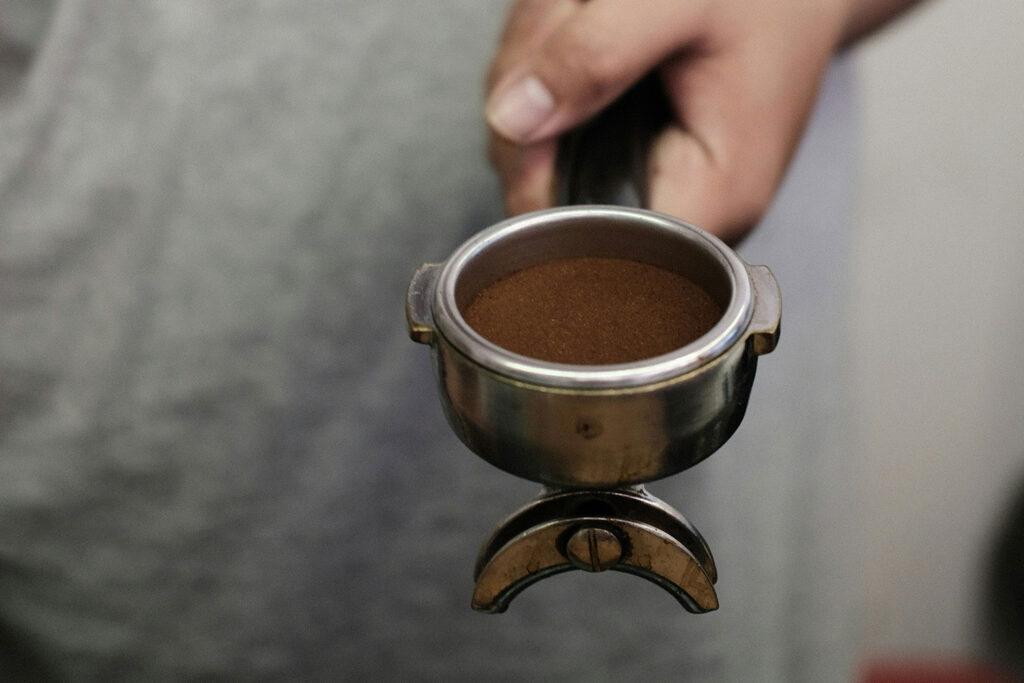
3. They transform cafés into social “third spaces” again
Over the last few years, coffee shops have struggled to maintain foot traffic, with many customers shifting toward takeout and remote lifestyles. Coffee raves flip that script, revitalizing cafés as third spaces—places people choose to gather beyond home or work.
These daytime dance events turn cafés into community hubs, replacing quiet studying with shared energy and shared movement. Crowds who may rarely stay in cafés for more than a to-go cup are now dancing, connecting, and returning week after week.
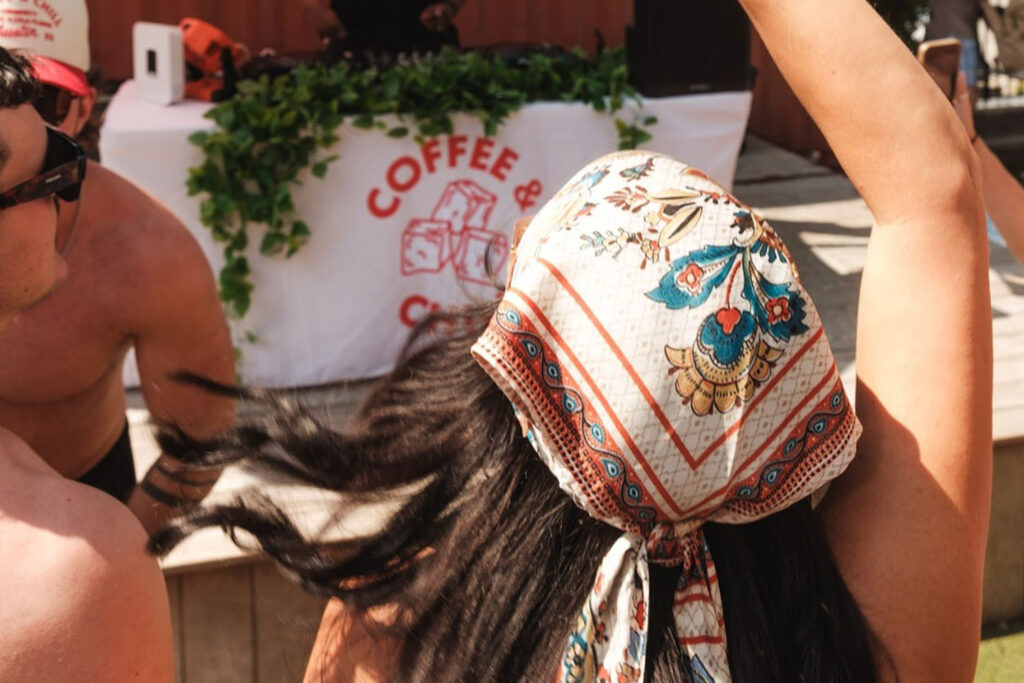
4. DJs are embracing caffeine culture
Some of the movement’s biggest champions are DJs themselves—especially those rethinking their own lifestyles.
Barista and DJ Dhylan “Lumi” Rivera explained the connection between music culture and the rise in morning dance:
A lot of DJs who were once known for partying are now saying they’ve quit drinking and smoking to really connect with the music on a deeper level—in a sober state.
DJs love the shift because it encourages creativity, clarity, and connection. And for crowds, the music hits differently when you’re fully present.
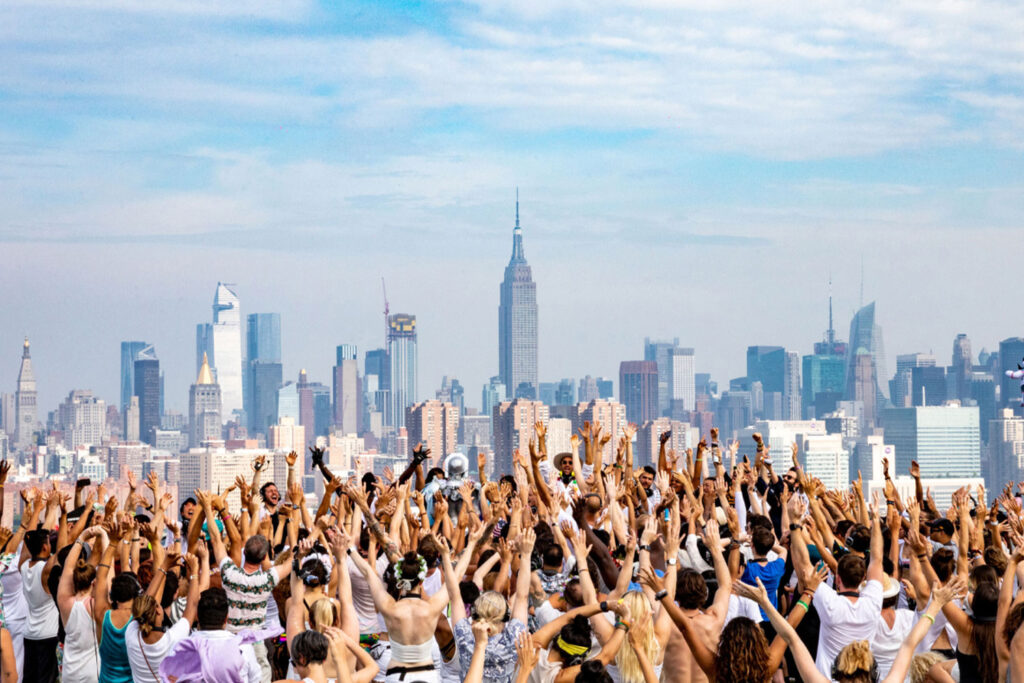
5. Daybreaker pioneered the modern formula
While many groups today are innovating, Daybreaker laid the foundation back in 2013 with its now-iconic early-morning weekday dance parties in New York City.
Co-founder Radha Agrawal shared how it all began:
We both realized that we really want to tuck ourselves in by 10pm.
Daybreaker replaced nightlife tropes with wellness-forward alternatives:
- Green juice instead of cocktails
- A “hugging committee” instead of bouncers
- A “wow moment” every 15 minutes—fire spinners, aerialists, breakdancers
This blueprint still shapes the modern coffee rave.
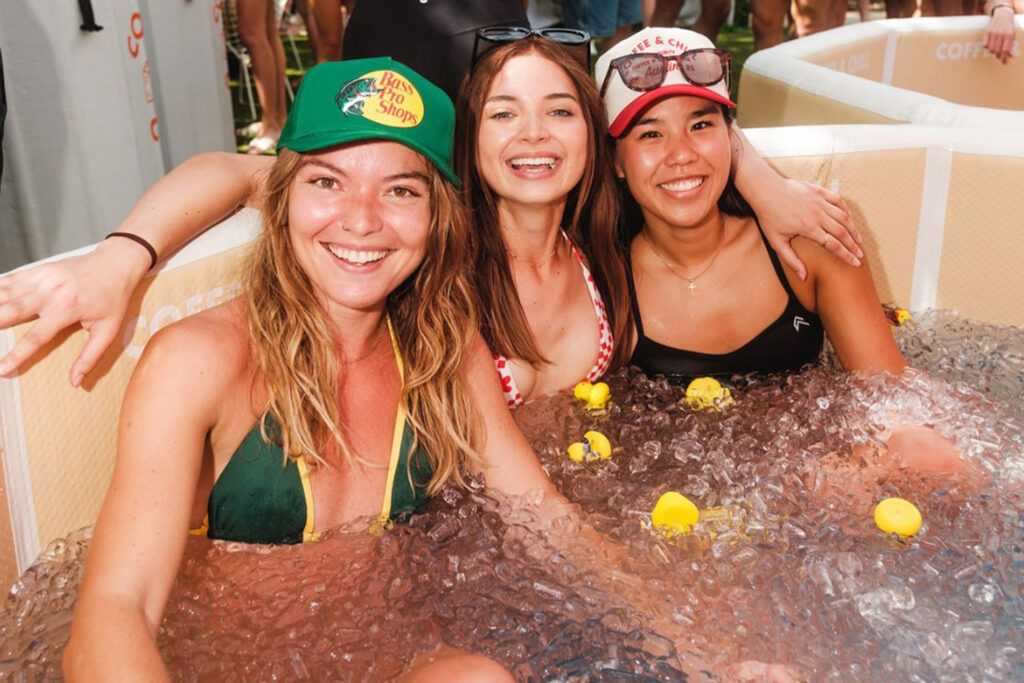
6. Coffee raves blend wellness and celebration
A typical morning dance event can include:
- Yoga
- Breathwork
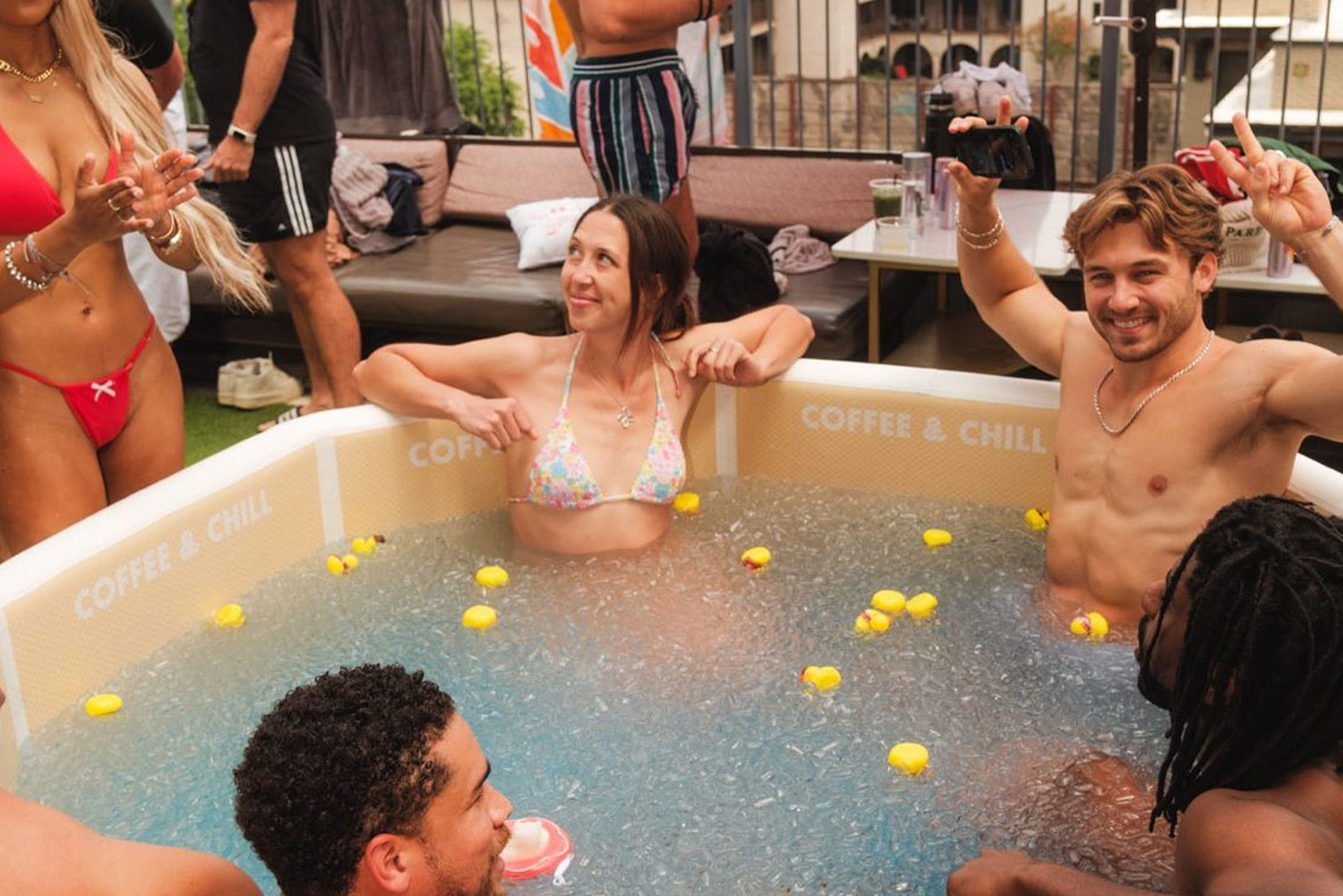
- Cold plunges
- Sauna sessions
- Live percussion
- High-five tunnels
- House and techno sets
It’s not just about dancing—it’s a multi-sensory wellness experience designed to elevate mood, boost serotonin, and set the tone for the day.
7. They appeal to the sober-curious and the sober-friendly crowd
Coffee raves center caffeine, community, and creativity—not substances. This makes them a natural fit for sober-curious people, mindful drinkers, and anyone who simply wants connection without the late-night drawbacks.
And because the events are social-first, not substance-first, people of all ages feel welcome.
Radha Agrawal noted:
It can take seven times before you’re comfortable in the center of the dance circle.
This isn’t about courage—it’s about community-supported confidence.
8. Cafés are leaning into intentional curation
Just as cafés obsess over bean origin and roast profiles, organizers are learning that musical curation is equally important.
Lumi explains the parallel:
Curating DJs for an event is similar to how a good coffee shop owner selects their beans. You can’t just pick anything—you have to be intentional.
The right DJ turns the space into a sensory experience that people remember—and return for.
9. Events are affordable and accessible
Compared to traditional nightlife:
- No bottle service
- No late-night transportation
- No dress codes
- No premium alcohol pricing
Tickets typically run under $60 and often include a drink. For many young adults, that makes coffee raves a more budget-friendly and emotionally sustainable option than clubs.
Coffee raves succeed because they’re affordable, approachable, and energizing.
10. They attract a wide age range
Yes, Gen Z loves coffee raves—but the movement isn’t limited to one demographic. Young parents attend with strollers. Millennials treat it as a wellness alternative to late-night bars. Older adults show up for the community vibe.
Daybreaker events have drawn a stunning range of ages—Agrawal even mentioned:
Jane Goodall has attended Daybreaker with her friends.
That multigenerational mix is rare in nightlife—and part of the magic.
11. Café raves are reviving local arts and culture
From D.C. to Singapore, coffee raves feature:
- Local DJs
- Independent artists
- Specialty drink pop-ups
- Creative vendors
- Photo installations
- Yoga instructors
- Performance artists
They create a micro-festival atmosphere rooted in community talent. Café raves give local artists and DJs a platform and bring cultural excitement back to the neighborhood level.
As DJ MYRYM described:
A coffee rave is about elevating how we gather, turning something as ordinary as a morning into a shared experience of joy, movement, and presence.
12. They shift socializing toward wellness and connection
Coffee raves resonate because they change the why behind gathering. Instead of meeting up to disconnect from stress, attendees show up to:
- Recharge
- Move their bodies
- Express joy openly
- Build friendships
- Start their day inspired
Guests leave energized—not depleted. It’s socializing that enhances life rather than recovering from it.
13. This isn’t a trend—it’s a cultural shift
Across all four articles, organizers echo the same message: coffee raves aren’t a fad. They represent a lasting change in how people want to gather, dance, and celebrate.
Lumi summed it up perfectly:
This movement is actually impacting people… It isn’t a trend. It’s a shift in how we socialize.
Cafés are becoming creative community hubs. DJs are swapping nightlife for daylight. Young adults are embracing sober-friendly socializing. And mornings—once reserved for quiet routines—are becoming the new time for dancing, connection, and collective joy.
Coffee raves represent the future of social culture, one that’s energized, inclusive, and rooted in human connection.