Dry January isn’t just a passing wellness trend—it’s a meaningful health reset that lets people test how life feels without alcohol. It’s an accessible, science-backed way to evaluate sleep, energy, focus, and emotional well-being in real time. Even 31 days of abstinence can bring measurable physical and mental changes.
Below is a comprehensive listicle detailing specific benefits of Dry January, drawn from leading experts in psychiatry, hepatology, psychology, and nutrition. Each section includes actionable tips, key quotes, and digestible insights to help you make the most of your alcohol-free month.

1. More Restorative, Higher-Quality Sleep
Alcohol may help you fall asleep faster, but it interrupts the body’s natural sleep cycles. Without alcohol, many participants experience fewer 2 a.m. wakeups and longer periods of deep, restorative rest.
- Quick win: Keep a simple sleep log of bedtime, wake time, and energy level.
- Make it stick: Replace your evening drink with herbal tea or a warm shower before bed.
Sleep expert Jade Wu explained:
Sleep is more efficient and healthier when you don’t drink alcohol. You may feel more rested and wake up fewer times during the night.
2. Liver Regeneration and Reduced Liver Fat
The liver starts to heal quickly when alcohol is removed. Within four weeks, many people see measurable improvements in liver enzyme levels and reductions in fatty deposits.
Addiction psychiatrist Maher Karam-Hage noted:
Usually, within 30 days, the liver can regenerate, or reproduce, cells that had been injured or died.
- Support recovery: Hydrate consistently and avoid late-night heavy meals.
- Long-term goal: Limit drinking frequency after January to protect liver resilience.
3. Lower Blood Pressure and Better Heart Health
Even moderate alcohol intake can elevate blood pressure and raise triglycerides. Taking a month off often leads to lower blood pressure, cholesterol, and fasting glucose.
Hepatologist Rotonya M. Carr observed:
We can see measurable differences in lab work after just a month of not drinking—from lower cholesterol to a reduction in liver fat levels.
- Track progress: Measure blood pressure weekly.
- Bonus habit: Add a 15-minute daily walk after meals to support heart health.

4. Steadier Mood and Less “Hangxiety”
Alcohol can initially calm the nerves but later triggers anxiety, irritability, and emotional volatility. Removing it helps the nervous system stabilize, producing a calmer, more consistent mood.
- Notice patterns: Track your mood daily from 1–10 to see emotional improvements.
- Healthy substitution: Try journaling, stretching, or walking during stress instead of pouring a drink.
5. Clearer Thinking and Sharper Focus
Alcohol depletes nutrients and disrupts the brain’s communication pathways. During Dry January, people often notice clearer thought, improved memory, and faster focus recovery.
- Reinforce gains: Eat nutrient-dense foods rich in B vitamins and antioxidants.
- Track clarity: Reflect on productivity or mental sharpness compared to December.
6. Small but Meaningful Weight Loss
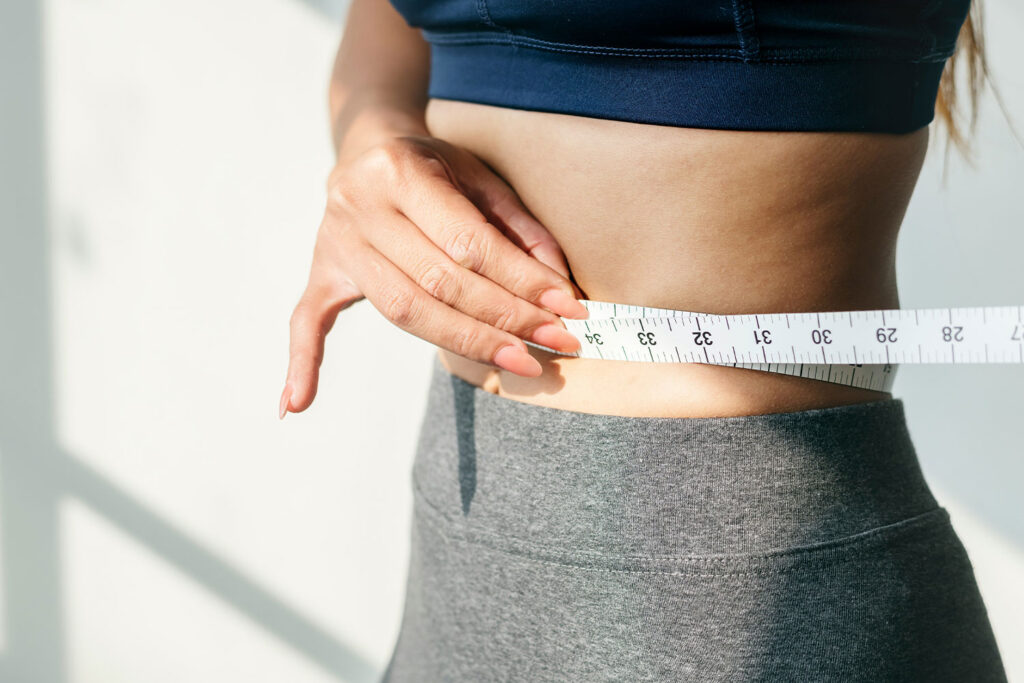
Alcohol is full of “empty calories.” Skipping it for a month can lead to 3–4 pounds of weight loss, particularly when people also avoid sugary mixers and late-night snacks.
- Perspective: One mixed drink often adds 200–300 calories.
- Simplify: Replace drinking snacks with high-protein, high-fiber options to stay full.
7. Calmer Digestion and Fewer Heartburn Episodes
Alcohol relaxes the muscles that prevent acid reflux and increases stomach acid. Taking a break allows your digestive system to recover, reducing heartburn and bloating.
- Pair with mindful eating: Stop eating two hours before bed.
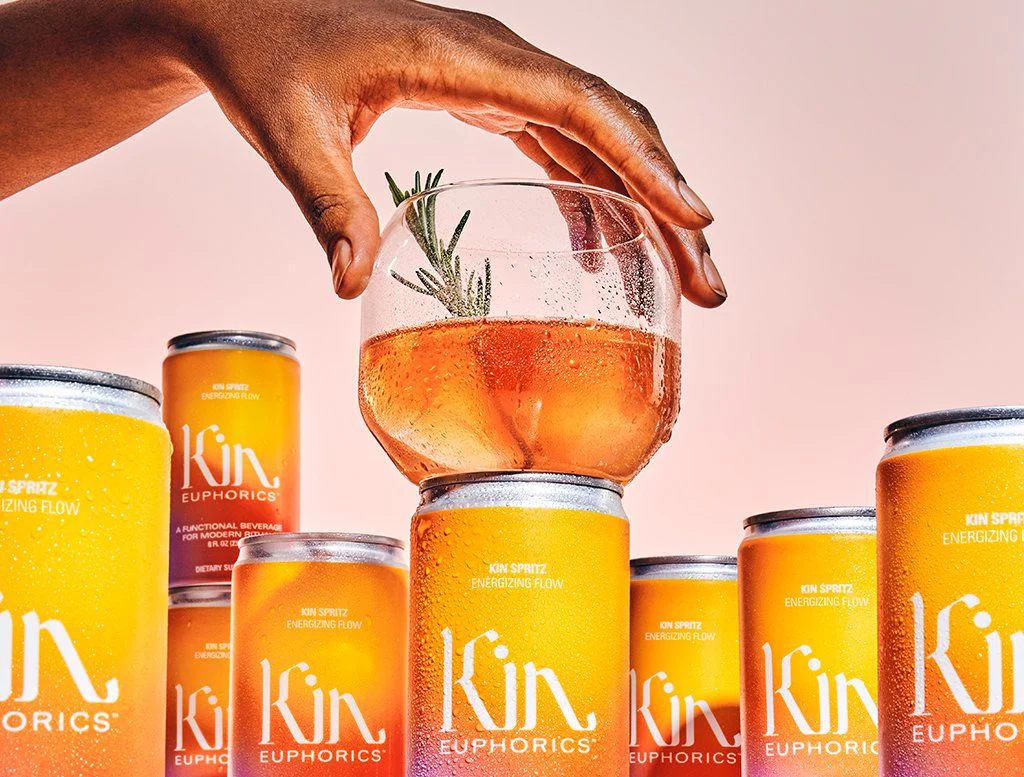
- Try NA alternatives: Ginger, citrus, or cucumber-infused sparkling waters mimic cocktails without reflux triggers.

8. Brighter, Less Puffy Skin
Without alcohol’s dehydrating effects, many people notice clearer, more even-toned skin by week three.
- Hydrate smart: Combine water with mineral-rich foods like berries, cucumbers, and leafy greens.
- Sleep connection: Restorative sleep improves skin cell turnover.
9. Stronger Immune Function
Alcohol can temporarily suppress immune response, leaving you more vulnerable to colds and infections. By skipping alcohol, your body has more energy to fight illness and recover.
- Immune boosters: Eat plenty of colorful produce, beans, garlic, and mushrooms.
- Synergy: Pair hydration and sleep to strengthen immunity further.
10. Lower Lifetime Cancer Risk
Alcohol is a Group 1 carcinogen, increasing the risk for cancers such as breast, colon, and liver. While one month won’t erase previous risk, it contributes to lower lifetime exposure.
- Long-term gain: Each alcohol-free period reduces cumulative cancer risk.
- Mindful moderation: Plan alcohol-free weekdays to continue protecting health.

11. Better Hormone Balance
Alcohol can disrupt estrogen and cortisol levels, worsening PMS, hot flashes, and mood swings. Reducing or removing alcohol helps hormones rebalance naturally.
- Support stability: Keep sleep and meals consistent to balance blood sugar.
- Cooling tip: Hydrate, eat smaller dinners, and keep the bedroom cool.
12. Improved Insulin Sensitivity
Abstaining from alcohol has been linked to better insulin function and lower blood sugar levels. This helps with steady energy and reduces diabetes risk.
- Meal pairing: Combine protein, healthy fats, and fiber at each meal.
- Post-meal habit: Take a short walk after dinner to support glucose control.
13. Higher Energy and Vitality
Without alcohol’s draining effects, most participants notice a significant boost in daytime energy. Fatigue fades, motivation increases, and daily tasks feel easier.
Dr. Rotonya M. Carr shared:
The most common thing I hear from patients is I just feel better. My body feels better.
- Keep momentum: Add micro-breaks and light activity to sustain energy.
- Track energy: Rate energy each evening to see your improvement curve.

14. Reduced Next-Day Irritability
Hangovers amplify irritability and low patience. Without them, many people report feeling more relaxed, balanced, and patient with loved ones and coworkers.
- Tip: If stress triggers cravings, try breathing exercises or stretching instead.
- Social reinforcement: Text a friend also doing Dry January for accountability.
15. Fewer Late-Night Cravings
Alcohol increases hunger hormones and reduces inhibition, leading to overeating. Cutting it helps regulate appetite and reduces late-night snacking.
- Prevention: Eat protein- and fiber-rich meals throughout the day.
- Evening cue: Replace snacks with herbal tea or Greek yogurt.
16. Stronger Sense of Control and Confidence
Completing a month without alcohol reinforces self-efficacy—the belief you can make and sustain change. That confidence often carries into other health habits.
Clinical psychologist Suzette Glasner said:
It’s a step into healthier living and shifting one’s relationship with alcohol for the better.
- Reflect weekly: Write down three things you’ve learned from the experience.
- Use momentum: Apply your success mindset to other goals like fitness or budgeting.

17. Healthier Social Habits
Dry January exposes how many social interactions revolve around drinking—and creates opportunities to explore new ways to connect.
- Plan alcohol-free outings: hikes, brunches, or coffee meetups.
- Try NA events: alcohol-free pop-ups, sober-curious mixers, or mocktail bars.
18. Better Hydration and Fewer Headaches
Alcohol is a diuretic, causing dehydration and headaches. Removing it helps maintain fluid balance and reduces tension headaches.
- Hydration rhythm: One glass of water every two hours.
- Electrolyte options: Coconut water, sparkling mineral water, or broth.
19. More Even Skin and Less Inflammation
Alcohol inflames the skin and worsens redness and breakouts. By abstaining, the skin barrier repairs and inflammation subsides.
- Support externally: Moisturize daily and wear SPF.
- Support internally: Eat omega-3s and antioxidant-rich foods.

How to Make the Most of Dry January
- Set one goal: Focus on sleep, energy, or mood.
- Prep your environment: Remove alcohol and stock flavorful NA alternatives.
- Stay social: Plan alcohol-free activities with friends.
- Eat balanced meals: Keep blood sugar steady.
- Keep notes: Reflect weekly on what’s improving.
- Plan February: Decide whether to stay dry or reintroduce mindfully.
Dr. Suzette Glasner concluded:
Over time, reducing how much you drink can have significant health benefits. As soon as people experience how much better they feel, they may be more motivated to keep going