The neon lights, thumping bass, and 3 a.m. last calls that once defined nightlife culture are fading into the background. In their place, a new kind of social scene is taking center stage—one rooted in connection, health, and authenticity. Welcome to Soft Clubbing, the movement reshaping how a generation celebrates, socializes, and recharges.
Once associated with all-night raves and alcohol-fueled escapades, “clubbing” is being reimagined by Gen Z and younger millennials who crave experiences that are as meaningful as they are energizing. From coffee-fueled morning dance parties to sauna raves and cold plunge DJ sessions, Soft Clubbing is proof that the party isn’t over—it’s simply evolving.
Below are nine ways this emerging cultural shift is transforming nightlife into something deeper, healthier, and more connected than ever before.
1. What Exactly Is Soft Clubbing?
At its core, Soft Clubbing is about redefining what it means to “go out.” Rather than relying on alcohol or substances to create connection, these events focus on wellness, music, and intentional community.
In Soft Clubbing spaces, you might find yourself dancing at sunrise, sipping matcha instead of martinis, or connecting with new people at a coffeehouse DJ set. The emphasis isn’t on escape—it’s on presence.
As Eventbrite’s Head of Community and Trends, Roseli Ilano, explains:
“This movement isn’t about giving something up—it’s about choosing more. More presence, more intention, more joy. Gen Z is redefining what it means to go out, and they’re turning to experiences that nourish the body and soul as much as they entertain.”
2. From All-Nighters to Early Risers: The Shift in Rhythm
The traditional club scene has long glorified staying out until dawn. But for a generation that values mental clarity, rest, and balance, the appeal of the 4 a.m. dance floor is waning.
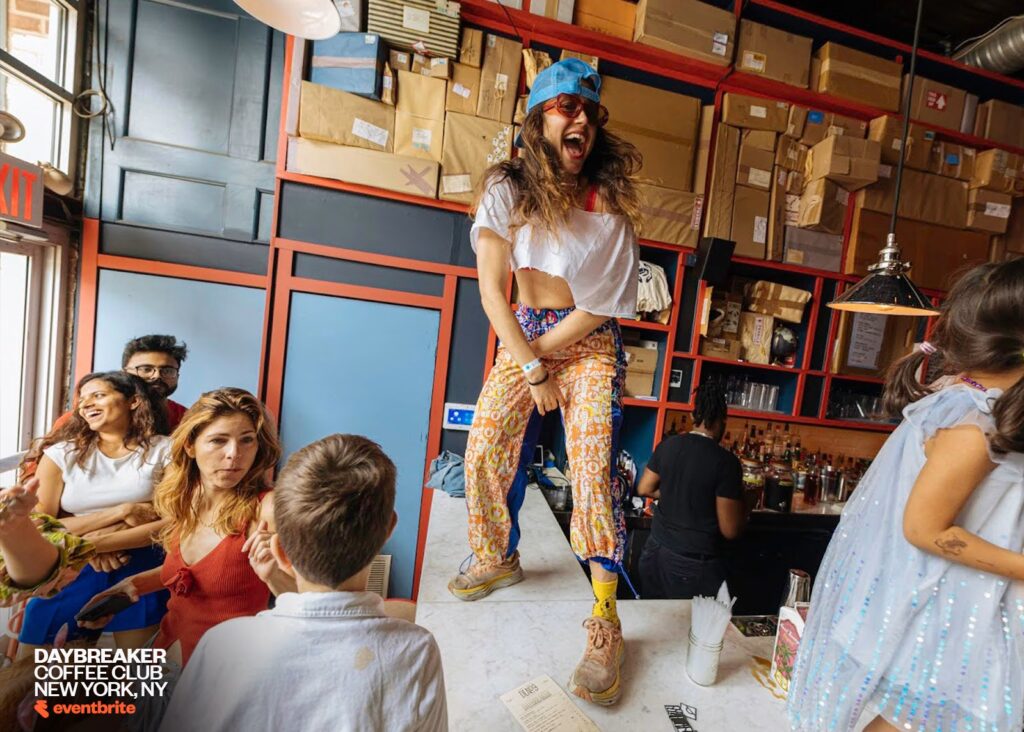
Instead, Gen Z is embracing daytime gatherings and early evening socials—spaces that offer the same community energy without the physical and emotional crash. Morning dance parties, yoga-fueled raves, and evening acoustic sets are replacing loud, late-night scenes with vibrant, restorative alternatives.
One 30-year-old participant captured the sentiment perfectly after attending a “coffee clubbing” event:
“I can be the life of the party till late evening. But once the clock strikes midnight, I’m like Cinderella losing all her magic.”
For many, Soft Clubbing offers the best of both worlds—social energy without the burnout.
3. The Rise of the Sober-Curious Generation
According to recent Eventbrite data, 92% of new event formats now fall into the “sober-curious” category. This doesn’t mean total abstinence—it means people are choosing intermittent sobriety or intentional moderation.
More than 61% of Gen Z say they want to drink less to prioritize better sleep, fitness, and mental health. This shift isn’t just behavioral—it’s cultural.
Soft Clubbing provides a space where people can dance, connect, and feel alive without needing to numb or overindulge. It offers permission to celebrate consciously, which resonates deeply with an audience tired of hangovers and regret.
Key takeaway: Soft Clubbing aligns with a broader societal movement toward mindful living, where joy and wellness coexist.
4. Coffee Over Cocktails: The Power of Caffeine Culture
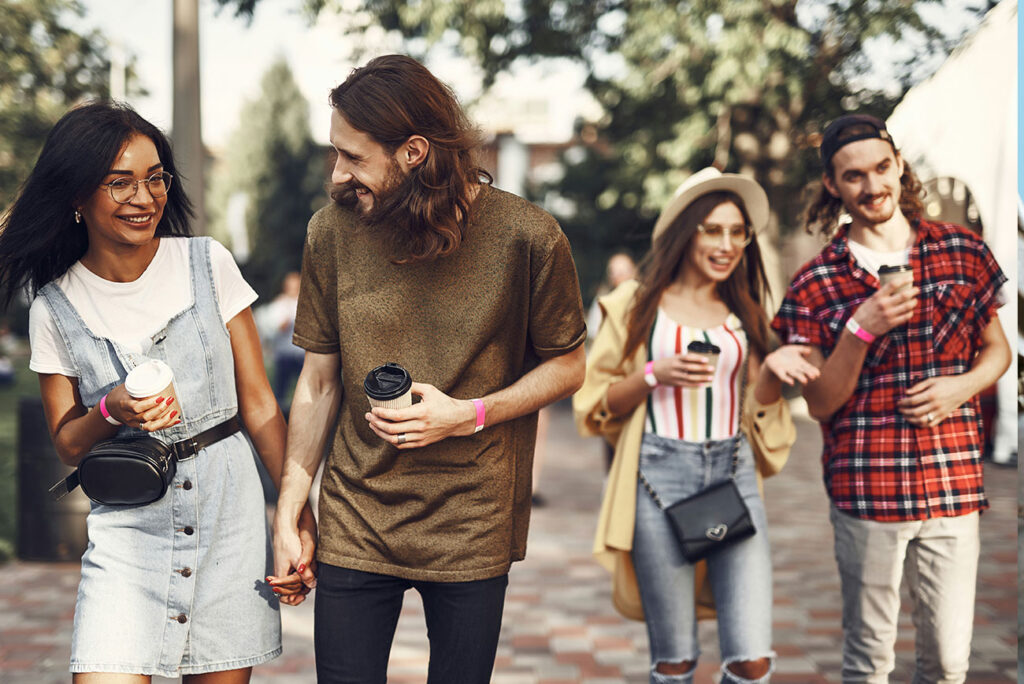
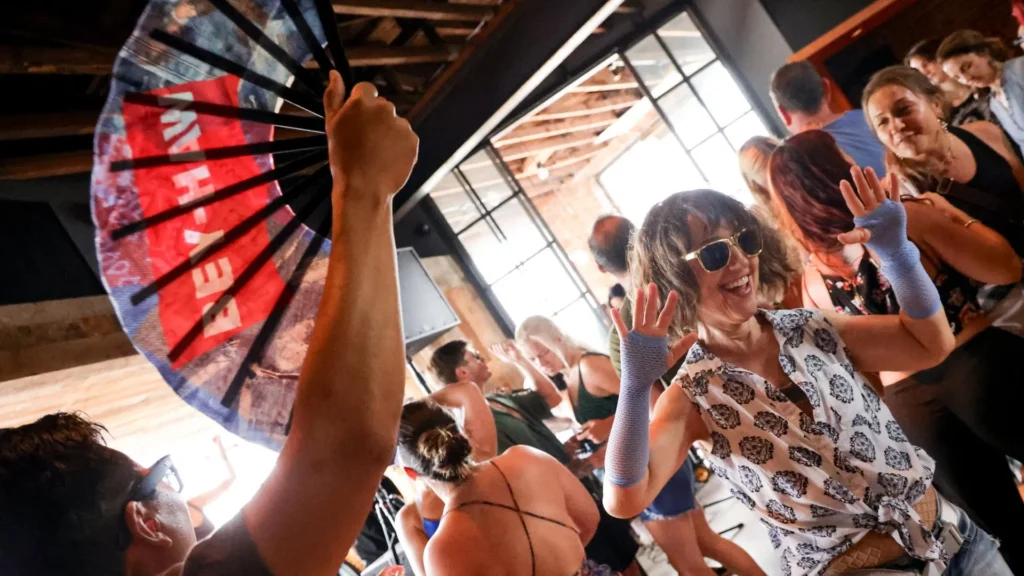
If alcohol was the fuel of traditional nightlife, coffee is the lifeblood of Soft Clubbing. Events like Coffee Clubbing—which have risen by 478% in the past year—blend café culture with dance and community.
Imagine this: a local roastery transforms into a mini dance floor, complete with a live DJ, plant-based snacks, and mocktails. The vibe is upbeat, the crowd energized, and the atmosphere welcoming to all ages.
Participants describe it as “fun without the fuzziness”—socializing powered by caffeine and connection, not cocktails and chaos.
This evolution highlights a deeper truth: people don’t need alcohol to bond—they just need a shared experience worth showing up for.
5. Economic Realities and the End of the $18 Cocktail
Another major driver behind Soft Clubbing’s growth is financial accessibility. Traditional nightlife—cover charges, ride shares, overpriced drinks—can easily add up to a small fortune by the end of the night.
In contrast, Soft Clubbing events are typically low-cost or free, and they often take place in accessible, community-driven venues such as yoga studios, cafés, and co-working spaces.
These gatherings make connection possible without economic pressure. As Ilano notes, the movement is as much about practicality as it is about philosophy—it’s about creating social energy without the hangover or the hefty tab.
In short: Gen Z is proving that the best nights out don’t have to break the bank.
6. Connection Over Consumption: The New Social Currency
In a world dominated by screens and filters, authenticity has become the ultimate luxury.
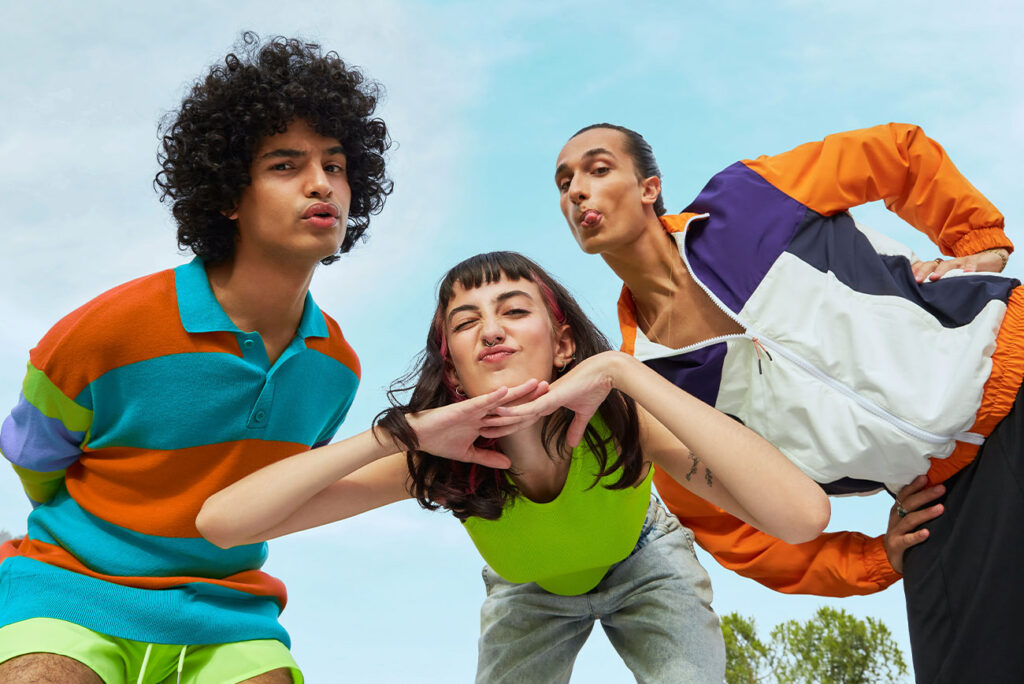
Soft Clubbing responds to a generation that’s tired of shallow small talk and performative partying. These spaces are designed to encourage real human connection, where participants can dance freely, make eye contact, and leave their phones in their pockets.
Carolina Panoff, founder of Be You Disco, summed it up powerfully:
“We didn’t build a party—we built a movement. Be You Disco is where people drop the mask, ditch the booze, and actually connect. It’s proof that when you create a space where people feel safe to be fully expressed, they show up hungry for it.”
The rise of Soft Clubbing is a direct response to digital burnout—a return to embodied joy and in-person connection.
7. The Wellness Revolution: Dance Floors Meet Self-Care
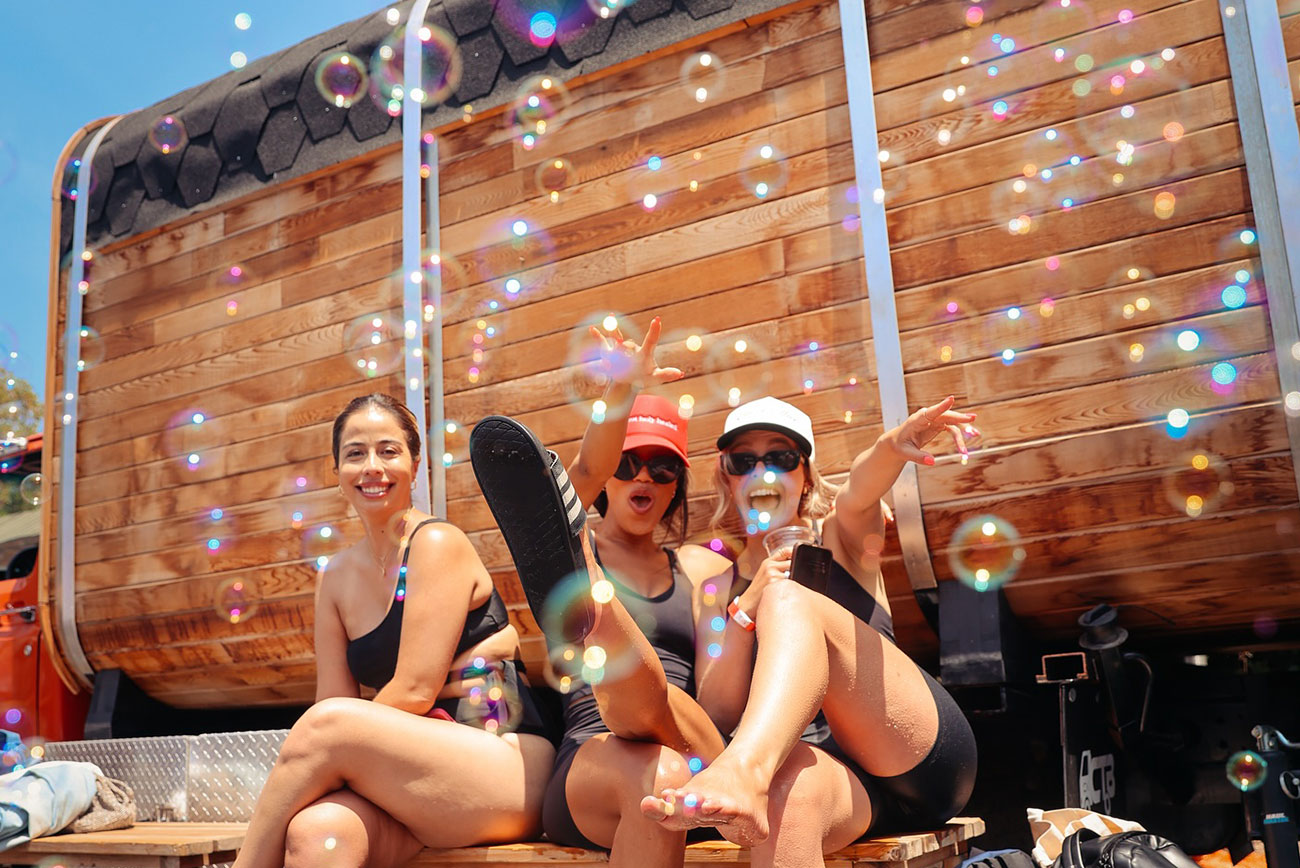
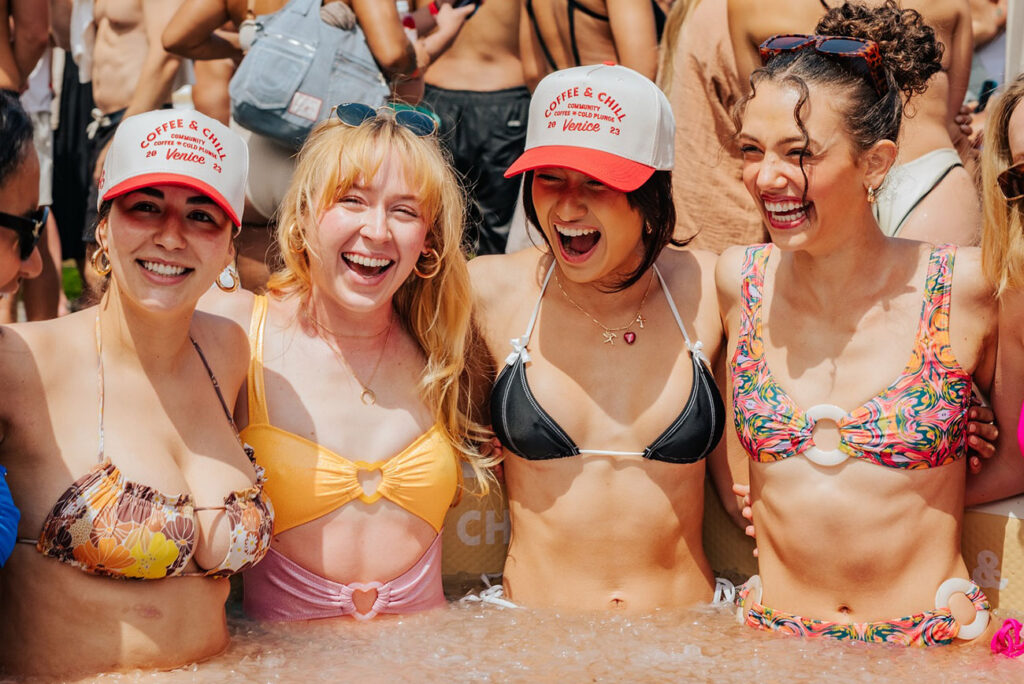
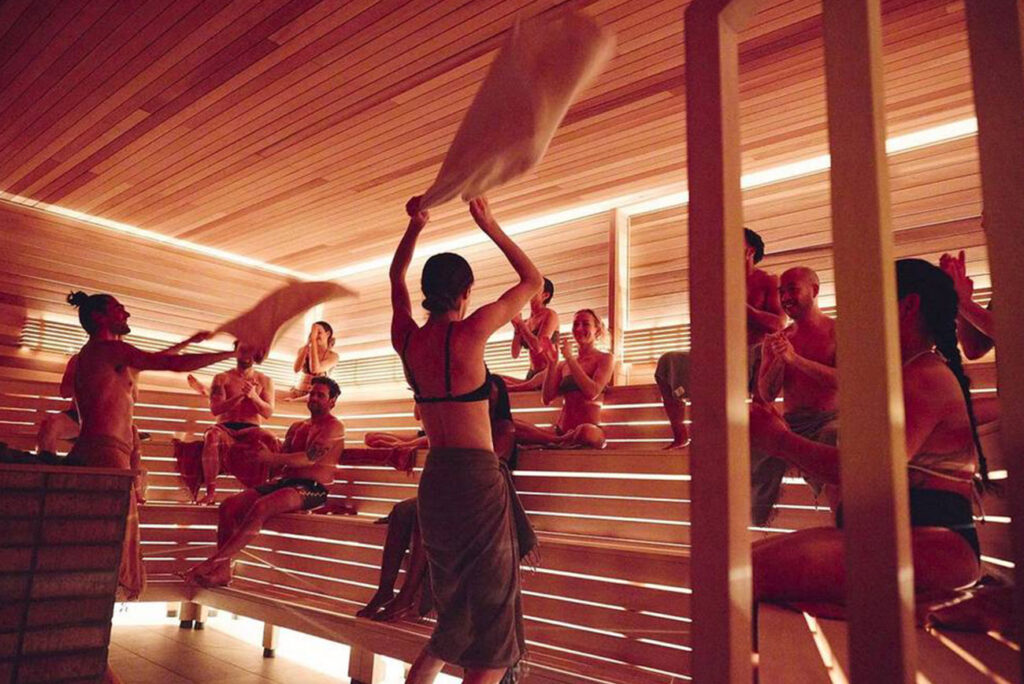
Soft Clubbing doesn’t just ditch alcohol—it integrates wellness practices into nightlife itself. Across the country, organizers are hosting sauna raves, cold plunge socials, and breathwork-fueled dance parties, blending the thrill of movement with the grounding power of mindfulness.
These “Thermal Gatherings” are booming, with events up 256% and attendance up 1,105%. The appeal lies in how they combine pleasure and presence—helping people feel good during and after the event.
As Radha Agrawal, founder and CEO of Daybreaker, puts it:
“Younger audiences are done with the all-nighters; they want to wake up feeling alive, not depleted. Daytime, coffee-fueled gatherings aren’t just events—they’re a cultural shift. The future of partying is bright, healthy, and connected.”
From cold plunges to conscious movement, Soft Clubbing embodies a radical truth: wellness and fun are not opposites—they’re partners.
8. The Global Expansion of Conscious Clubbing
What began as a niche wellness experiment is now spreading globally. From Los Angeles to London, and Austin to Antwerp, the movement is redefining how communities gather and celebrate.
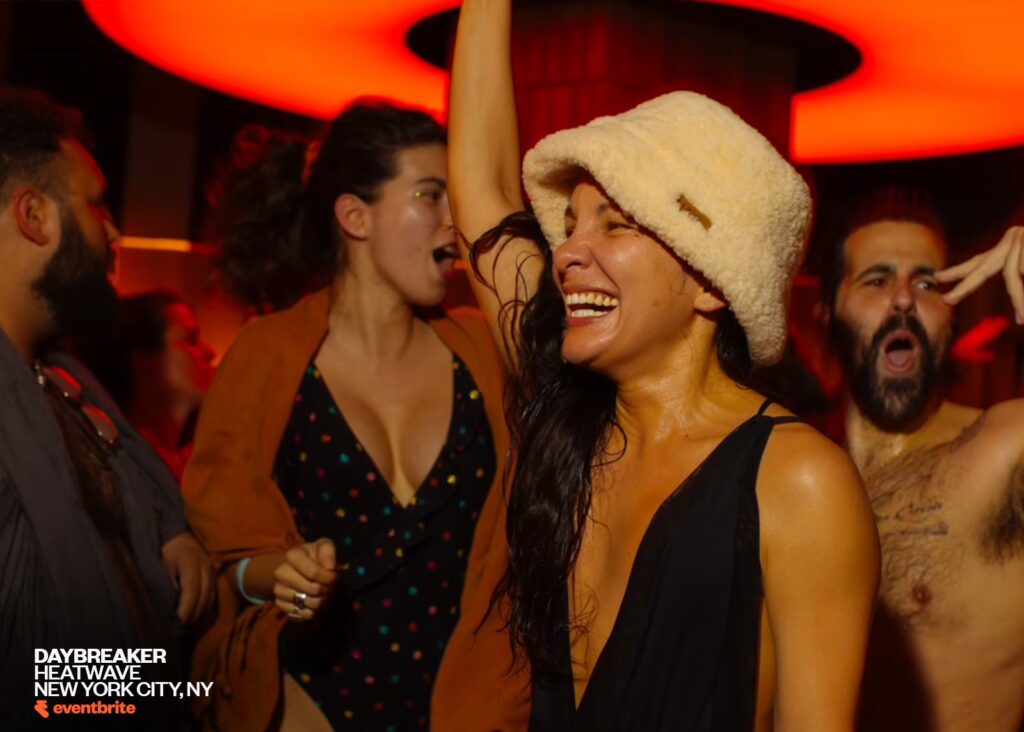
In cities like New York, Atlanta, and Dallas, Thermal Gatherings and Morning Dance Parties are selling out. Meanwhile, Daybreaker has grown into more than 60 cities worldwide, showing that people everywhere are eager for nightlife that feels safe, inclusive, and restorative.
One DJ from London’s NTS Radio captured the essence:
“Giving people options with things like Club Soft and other events isn’t accepting defeat on club culture—it’s saying we believe in a better version of it, and others will too.”
Soft Clubbing has become a global language of connection, grounded in shared values of presence, safety, and joy.
9. The Future of Social Energy: Joy Without the Hangover
Soft Clubbing represents a broader social awakening—a redefinition of joy, connection, and community. It proves that people no longer need to choose between fun and fulfillment.
In 2025 and beyond, this trend is expected to grow beyond major cities into smaller communities and suburban hubs. Coffeehouses, gyms, and creative spaces are already experimenting with hosting soft club-style events.
What’s clear is that the future of nightlife is inclusive, intentional, and inspiring. It’s about moving your body, feeling your emotions, and connecting with others—without losing yourself in the process.
In the end, Soft Clubbing isn’t just a new way to party.
It’s a new way to live.