Non-alcoholic (NA) drinking isn’t a fringe fad anymore—it’s a mainstream movement reshaping bars, restaurants, and home rituals. From sophisticated zero-proof cocktail menus in Austin to sober-curious pop-ups on the Westside of Los Angeles, the culture has shifted. Consumers want flavor, inclusion, and wellness without the fog—and operators are racing to meet them with better recipes, branding, and experiences.
Below is a longform, skimmable, numbered guide to what’s actually happening in the NA space—why it’s growing, how venues are adapting, where the best ideas are coming from, and what this means for drinkers, restaurateurs, hotels, and anyone building modern hospitality. The insights synthesize reporting from Texas and Southern California scenes with national data and first-person perspectives from bartenders, brand founders, and sober-bar pioneers.
“There’s never been a better time to be a nondrinker,” said author and editor Julia Bainbridge, capturing the spirit of today’s menus and the people they’re made for.

1. The emotional upgrade: NA options restore a sense of belonging
For years, non-drinkers resigned themselves to plastic cups and second-tier status. That’s changing. As zero-proof lists get equal billing, belonging replaces compromise. When a guest opens a menu and sees multiple intentional NA offerings—rather than “we can make you something with juice”—it signals, You belong here.
- Why it matters: Hospitality is psychological. A printed, named NA list replaces awkward improvisation and makes it easier to order confidently.
- The result: Longer stays, higher check averages (yes, NA drinkers spend), and a social vibe that includes everyone—pregnant guests, athletes, dieters, people with early mornings, and folks in recovery who choose it.
2. Texas is a bellwether: craft bars treat zero-proof like cuisine
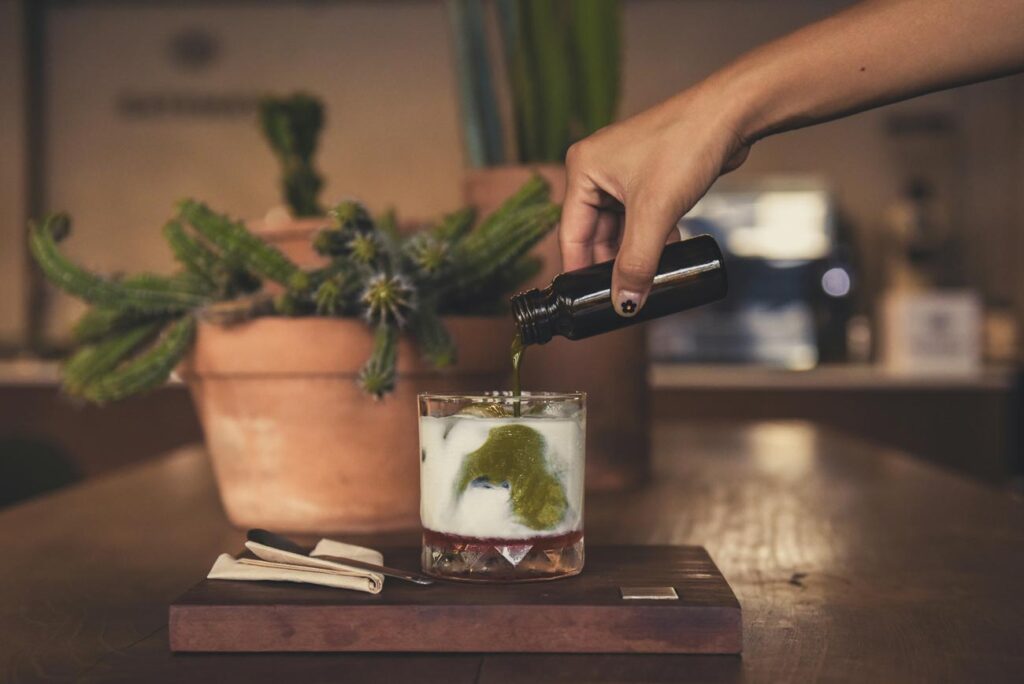
From HopFusion’s carbonated iced tea in Fort Worth to Austin’s Roosevelt Room, Texas venues are proving that NA drinks can be culinary objects, not consolation prizes. The Roosevelt Room’s menu features drinks like Glitter and Marigold (orange juice, orange flower water, pistachio extract, honey, vanilla, cream, cinnamon) and a “N’artini” built on juniper tea, pear, and zero-proof spirit.
“We want to make everyone feel welcome,” said Justin Lavenue of the Roosevelt Room, noting plans to expand their NA list even further.
Takeaway for operators: Build NA with the same mise en place discipline you use for classics. Clarify, infuse, batch, garnish—true parity earns loyalty.
3. Language is evolving: “mocktail” is out, “zero-proof” is in
“Mocktail” feels diminutive; “virgin” is dated. Many menus now use zero-proof, alcohol-free, or simply place NA drinks in their own section under No/Low. Naming matters: adults want adult beverages—serious, elegant, and delicious.
Quick style guide for menus
- Use: Zero-Proof, Spirit-Free, Alcohol-Free, No/Low
- Avoid: Mocktail (unless your brand embraces playful irony), Virgin
- Pro tip: Give NA drinks real names (e.g., Don’t Call Me Shirley) and full descriptions—signal care and craft.
4. The LA lens: wellness culture accelerates demand (and vibe)
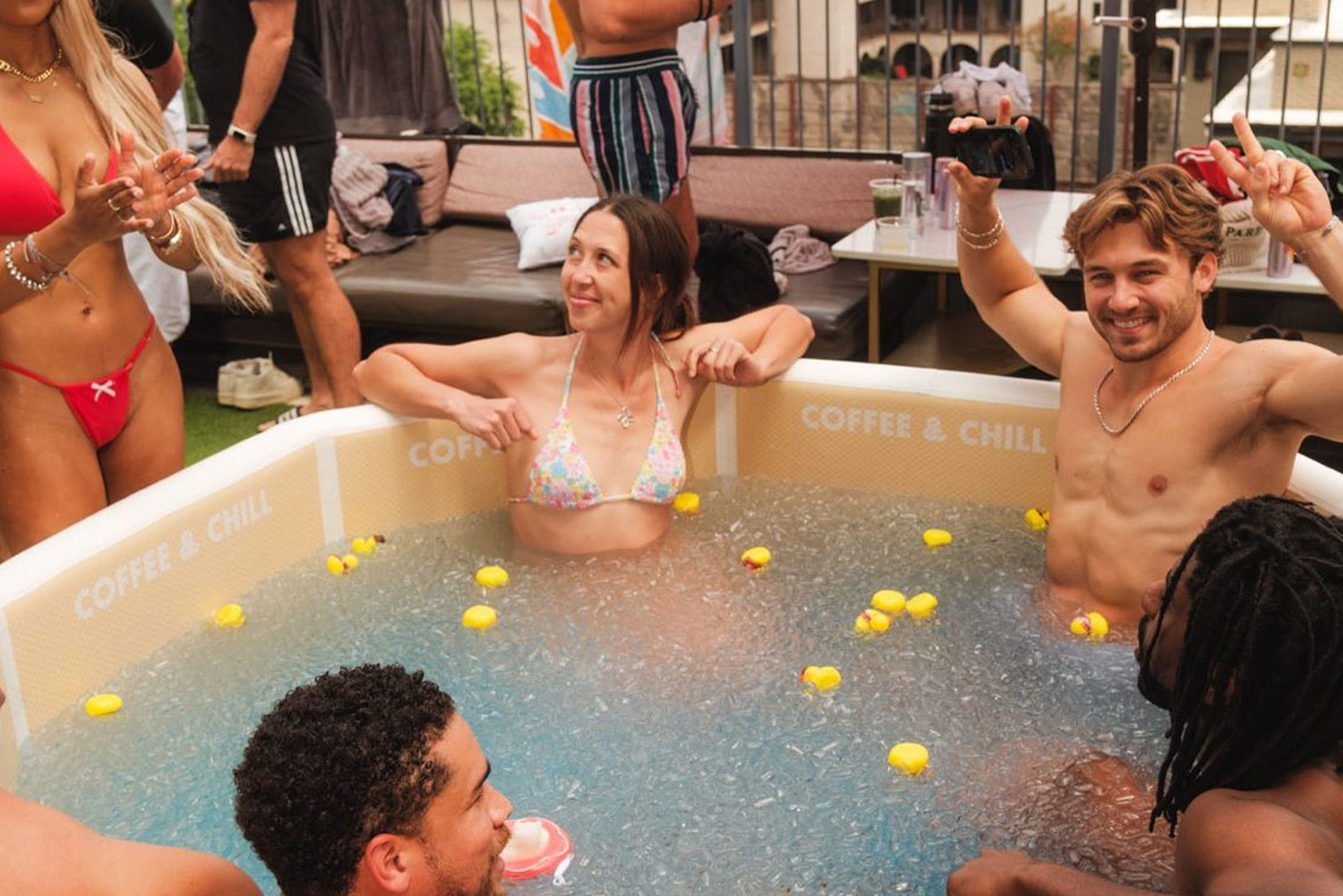
In Southern California, “wasted is out, wellness is in.” Gen Z and under-35 diners frequently skip alcohol entirely—often for fitness, mental clarity, and social media optics. Lines outside Venice’s Bar Nuda (a Mexican-inspired sober pop-up) rival boozy lounges. Late-night tea houses stay open past 11 p.m., offering ritual without ethanol.
- Cultural drivers: camera-ready culture, yoga and performance lifestyles, and wide availability of alternative experiences.
- Guest POV: “Zero-proof is where it’s at… I don’t mind paying for it,” said one Gen Z diner, emphasizing that parity pricing feels fair when the craft is real.
5. The celebrity and creator wave: mainstreaming through star brands
High-visibility launches (non-alcoholic beers, adaptogenic aperitifs, bubbly mixers) have moved NA from curiosity to culture. Celebrity-adjacent brands and creator-led formulas normalize ordering a zero-proof option at premium venues. The signal: this isn’t a compromise; it’s a choice.
What operators can borrow
- Merchandise NA with the same pride as a rare spirit.
- Feature a rotating “Zero-Proof Guest Pour”—a monthly highlight of a buzzy brand.
- Train servers with talk tracks that describe flavor, not absence: bitter, herbaceous, savory, bright, spicy.
6. Data confirms it: consumption is shifting—fast
- Category growth: International analysts forecast NA drink consumption to rise by ~one-third by 2026.
- Behavior change: A 2023 U.S. survey reported 67% of Americans were actively reducing alcohol, while 41% cited lifestyle change as the primary reason; a third cited physical health, and 23% pointed to mental health.
- Access gap: 86% of Americans don’t live near a sober bar—yet 51% want access. This is a growth story for restaurants, hotels, and retailers.
Bottom line: Demand isn’t niche, it’s national. And it’s year-round—not just Dry January.
7. Sober bars prove the model: community, ritual, and real revenue
Austin’s Sans Bar helped pioneer alcohol-free nightlife, first as a brick-and-mortar, then with pop-ups and virtual events. The lesson: people still crave nightlife rituals—music, conversation, a delicious drink in hand—even without alcohol.
“It’s like the Wild West out there, and the palette you can paint with has grown tenfold,” said Chris Marshall of Sans Bar, referring to the flood of new NA products.
What traditional venues can adopt
- Pop-ups co-branded with NA producers.
- Ticketed tastings (zero-proof flights) with education.
- Themed nights: “Martini Energy,” “Amaro Without Borders,” “Tea & Tinctures.”
8. Functional formulas: adaptogens, nootropics, and a gentle glow
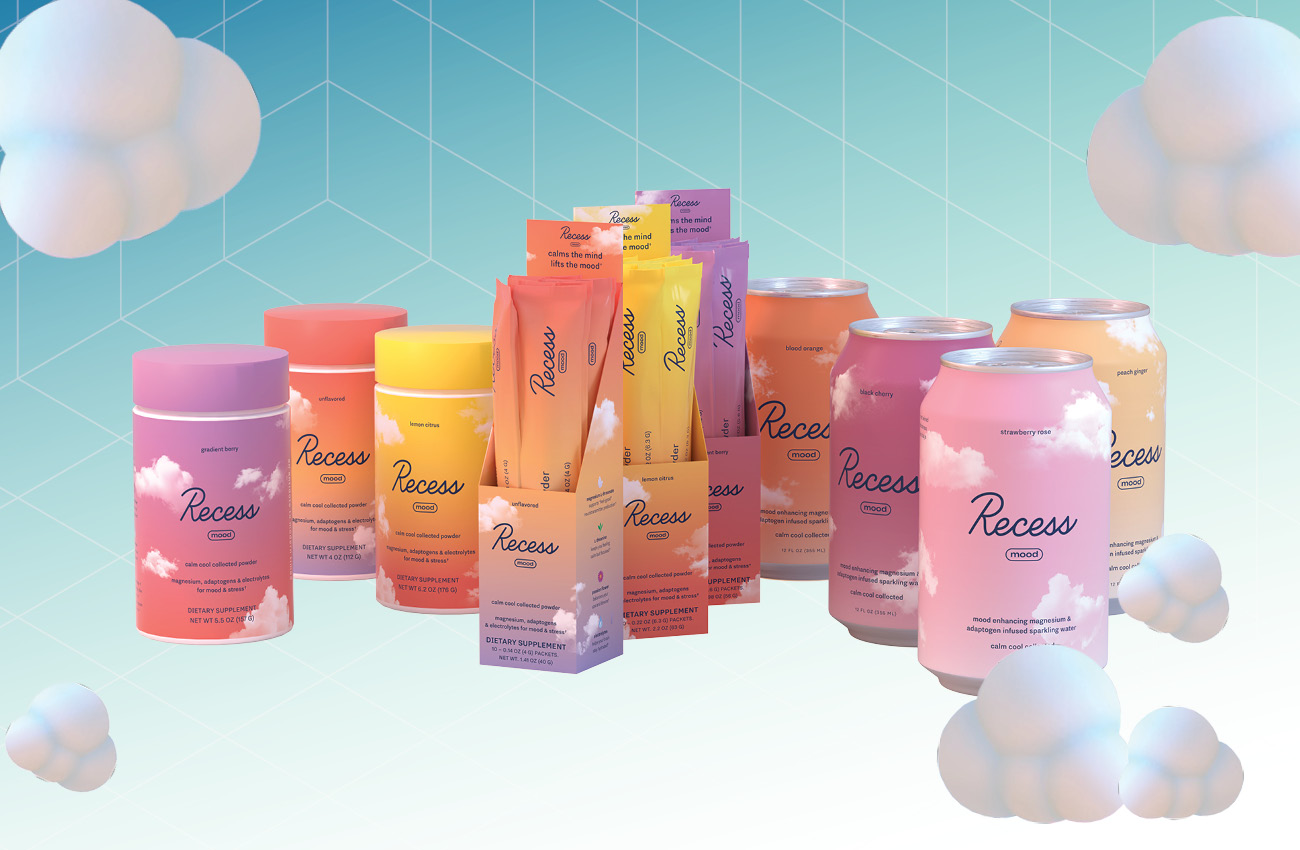
Brands like Kin Euphorics explore adaptogens and nootropics to deliver mood-forward experiences without ethanol. These drinks emphasize ritual and function (calm, focus, social ease). Not everyone wants it—but those who do become loyal regulars.
Founder Jen Batchelor described her mission as redefining the modern bar experience—nudging social rituals beyond alcohol.
Operator note: Clearly label functional ingredients and set expectations. Some guests want culinary zero-proof; others want a feeling. Make both easy to choose.
9. The craft is real: bartenders are engineering complexity without booze
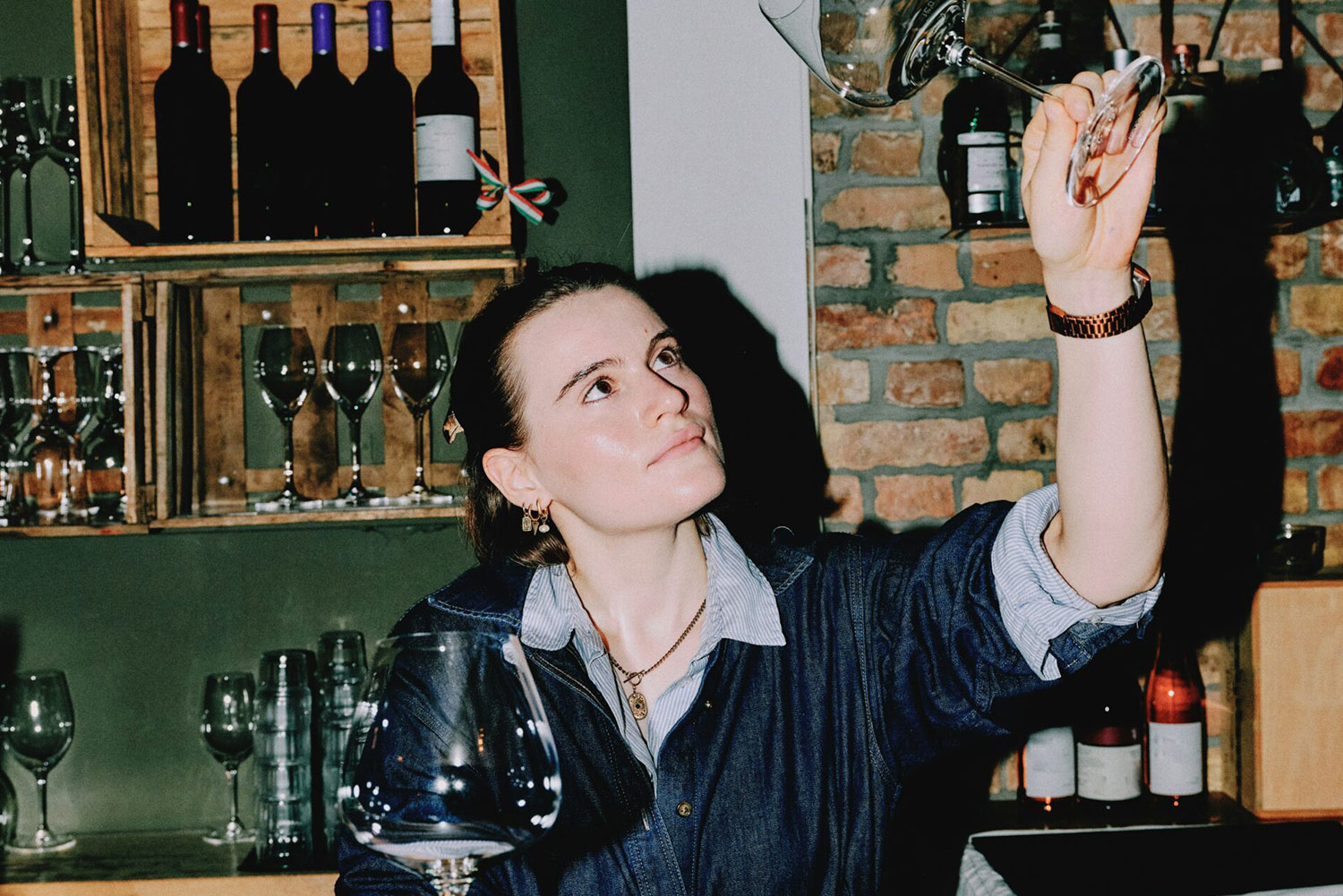
From rice vinegar for lift to juniper tea for structure, bartenders now treat NA builds like serious R&D. At Montage Laguna Beach, bar teams experiment with acid structure and fizz to avoid over-sweet profiles and deliver that “I’m having a cocktail” sensation.
As one young bar manager put it, NA guests “still want to be part of the experience, not apart from it.”
Techniques worth adopting
- Acid blends (citric/malic) to balance sweetness
- Tea bases (black, oolong, lapsang) for tannin and spine
- Vinegars and shrubs for brightness
- Heat components (ginger, capsicum, “afterglow” botanicals) to mimic warmth
10. Menus are catching up: NA sections are becoming standard
Industry educators note that it’s now “compulsory” for many bars to list at least one NA cocktail—often more. Beverage directors are rethinking menu architecture, dedicating a category to zero-proof, and training staff to lead with flavor discovery questions.
“People abstain for so many reasons beyond sobriety,” said cocktail educator Jena Ellenwood. “It’s important to make them feel seen.”
Menu checklist
- A sour, a bitter/herbal, something spicy, something spritzed, and a dessert-style option
- At least one NA beer, one NA wine/sparkling, and one RTD
- A toasting option (NA bubbles) for celebrations
11. Pricing parity is justified: quality ingredients and labor drive cost
Guests sometimes expect NA to be cheaper. But high-quality botanicals, fresh juice programs, specialty ice, R&D time, and zero-proof spirits (many de-alcoholized or built from complex extractions) aren’t free.
“NA spirits, wines, and beers don’t cost that much less than boozy options because of the time, equipment, and expertise that goes into crafting them,” Ellenwood explains.
Bartender Jessica Manchenton adds that both de-alcoholization and tea-/water-based builds require premium inputs—and creators deserve margins.
Operator tip: Educate with menu copy and server talk tracks. Guests accept pricing when they understand the craft.
12. Inclusivity = good business: service rituals that welcome everyone
Little touches matter: ask if the table is drinking before sending shots; offer NA sparkling for toasts; give NA drinks the same glassware and garnish flourish.
Hospitality plays
- Waterfall greeting: “Would you prefer zero-proof, low-ABV, or classic tonight?”
- Equal glassware: Nick & Nora, coupes, etched rocks—never “kid cup” optics
- Confident scripts: “We have a bitter-forward spritz with gentian and grapefruit or a smoky tea highball—what’s your mood?”
13. At-home rituals are exploding: RTDs and delivery democratize craft
Even outside major cities, drinkers can now build a sophisticated NA bar cart. Canned zero-proof aperitifs, de-alcoholized wines, and NA beers slot into weeknight routines. For busy venues, crack-and-pour RTDs keep service fast on peak nights without sacrificing flavor.
Home bar starter list
- One NA aperitif (bitter, citrus)
- One NA spirit (botanical “gin” or smoky “whisky” analog)
- Bitters (alcohol-free or glycerin-based)
- Acid pack (citric/malic) + club soda + quality ice
14. The nuance: 0.5% ABV and recovery considerations
Many NA products contain up to 0.5% ABV (FDA maximum to label “non-alcoholic”). That’s similar to orange juice and kombucha—but not zero. For some in recovery, taste and aroma may be triggering. Clear labeling and staff sensitivity build trust.
Best practices
- Mark ABV on menus for NA items above 0.0%.
- Offer truly 0.0% choices (tea-based, sodas, fresh-built).
- Train staff to handle guest preferences discreetly and respectfully.
15. Dry months now stretch into dry lifestyles (and “low” lifestyles)
Bartenders report that Dry January often extends into February—and beyond—as guests reassess routines. There’s also strong pull toward low-ABV for those who want “just one” or a lighter arc across the night. Meeting both cohorts (zero and low) is the winning portfolio.
Low-ABV menu anchors
- Sherry cobbler riffs
- Vermouth & soda with citrus oils
- Americano builds with extra soda and orange bitters
16. The long view: clearer category lines are coming
Brand founders anticipate sharper distinctions among adult soft drinks, functional mood beverages, and true alcohol alternatives designed for cocktail occasions. Clearer labels and guest education will help the right drink find the right moment.
“In time, there will be a clear delineation between adult soft drinks, functional drinks… versus true alcohol alternatives that are meant to be consumed in the same occasion, time and place as alcohol,” predicted one NA RTD founder.
Why it matters: Clarity grows the category. Guests know what to expect; operators can build smart, diversified lists.
17. What bars can do next: a practical road map
Phase 1 — Establish parity (2–4 weeks)
- Add 5–7 zero-proof cocktails spanning sour, bitter, spritz, spicy, and dessert.
- Carry 2 NA beers, 1 NA sparkling, 1 NA aperitif, 1 RTD.
- Print the NA category on the main menu, not a separate sheet.
Phase 2 — Elevate experience (Month 2–3)
- Launch a Zero-Proof Happy Hour with snacks and a flight.
- Train FOH on flavor-led discovery (“bright & zesty” vs. “dark & smoky”).
- Create Instagram-worthy glassware/garnish for NA signatures.
Phase 3 — Community & growth (Ongoing)
- Host brand collabs, tastings, and sober-curious meetups.
- Offer NA pairings for tasting menus and prix fixe nights.
- Track NA attach rates and adjust SKUs to winners.
18. What consumers can do next: enjoy the ritual, skip the regret
- Try a flight: Ask for a three-pour zero-proof tasting to map your palate (bitter, sour, savory).
- Pair with food: Bitter/herbal NA spritzes cut fat like amari; tea highballs love sushi; spicy ginger builds pop with fried chicken.
- Build a weeknight toolkit: One aperitif, one botanical “gin,” citrus, soda, and a big-cube tray = instant Tuesday elegance.
- Be label-literate: If you prefer 0.0%, check packaging and menu copy.
19. The throughline: connection and joy, not ethanol, define the party
The most striking theme across Texas patios and LA pop-ups is simple: people still want to party—they just want to remember it. Whether the motive is mental health, early training, or a long day tomorrow, today’s NA menus let guests opt into the ambiance without the aftermath.
As one educator put it: “There is more to NA than club soda or the Shirley Temple.”
And as an Austin bar owner proved by example: when the menu offers parity, people who avoided bars for years can sit, sip—and finally feel at home.
Sample Zero-Proof Menu (for inspiration)
- Citrus & Marigold Fizz — orange, pistachio, honey, vanilla, cream, cinnamon, soda
- Juniper & Pear “Martini” — juniper tea, pear juice, spice-driven zero-proof spirit, lemon oils
- Smoky Highball — lapsang tea, ginger, rice vinegar, soda
- Bitter Ruby Spritz — NA aperitif, grapefruit, gentian, tonic
- Chocolate-Cherry Old Fashioned — black tea reduction, cherry bark, cacao, Afterglow-style heat
Build tips
Use beautiful glassware—parity starts with the eye.
Balance sweetness with acid (citric/malic).
Add heat (ginger, pepper) for “alcohol warmth.”