Generation Z is redefining its relationship with alcohol. Born between 1997 and 2012, this generation is drinking less than any before it—and doing so consciously. Their habits signal more than a passing fad: they reflect a deeper cultural shift toward health, mindfulness, and mental-wellness-driven living.
Below are 10 key reasons Gen Z is drinking less, drawn from data, expert insight, and firsthand accounts from researchers and young adults themselves.
1. Declining Alcohol Use: The Data Speaks for Itself
Across the past two decades, alcohol consumption among younger adults has fallen sharply. Gallup data show that the share of U.S. adults under 35 who say they drink dropped from 72% in 2001–03 to 62% in 2021–23.
George F. Koob, director of the National Institute on Alcohol Abuse and Alcoholism (NIAAA), explained:
It is becoming clear that, for whatever reasons, today’s younger generations are just less interested in alcohol and are more likely than older generations to see it as risky for their health and to participate in periods of abstinence like Dry January.
Koob’s observation captures the generational pattern: Gen Z isn’t necessarily anti-alcohol, but it is far more intentional about when and why it drinks.

2. A Generation Driven by Health and Wellness
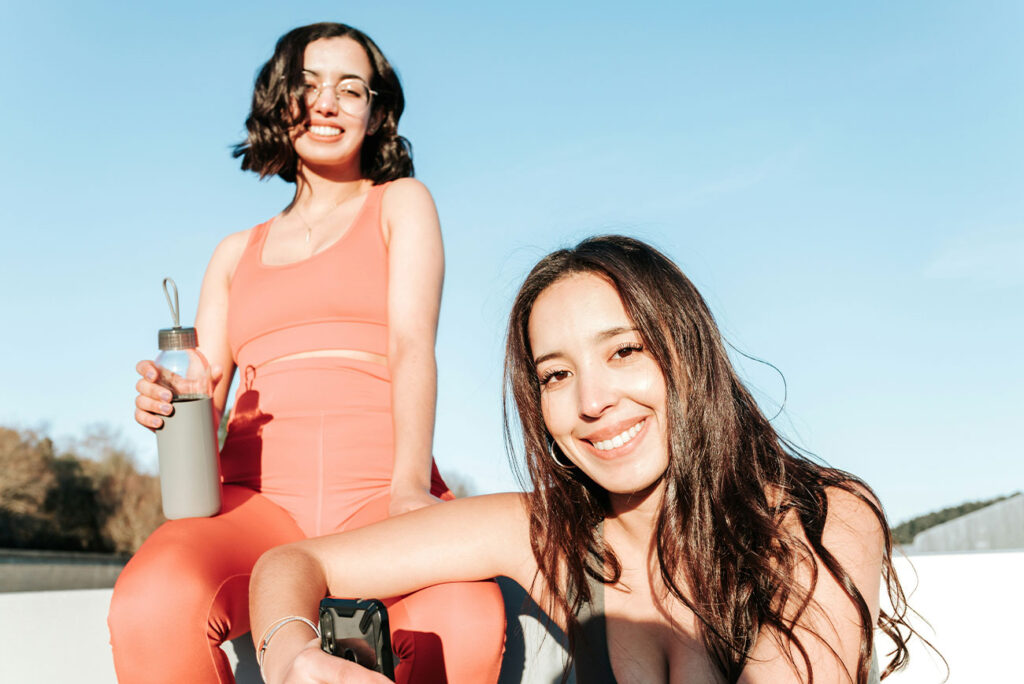
Health consciousness runs deep in Gen Z. They are the most fitness-oriented, supplement-using, and wellness-subscribing generation in history.
John Milas, an Amherst College student who studies generational behavior, explained:
The decline of drinking is only one element in a broad trend of health consciousness among Generation Z, which is leading the way in broad trends across the population. The wellness industry—products dedicated to sleep, fitness and mindfulness—is worth $2 trillion, having grown by about 33% since 2021.
Alcohol no longer fits the picture of wellness. For many young adults, a hangover is incompatible with their goals of clear skin, better sleep, and strong mental health.
3. The Rise of the ‘Sober Curious’ Mindset
The “sober-curious” movement—popularized by writer Ruby Warrington—has found its strongest audience in Gen Z. Instead of asking, Why stop drinking?, they ask, Why drink at all?
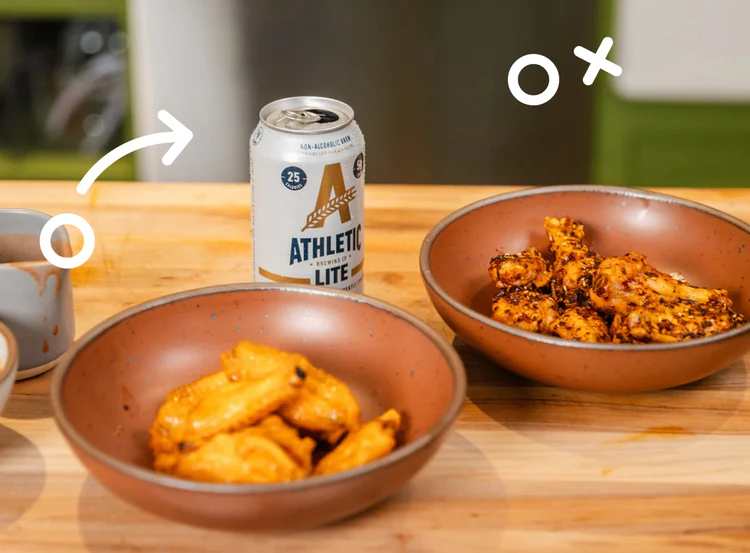
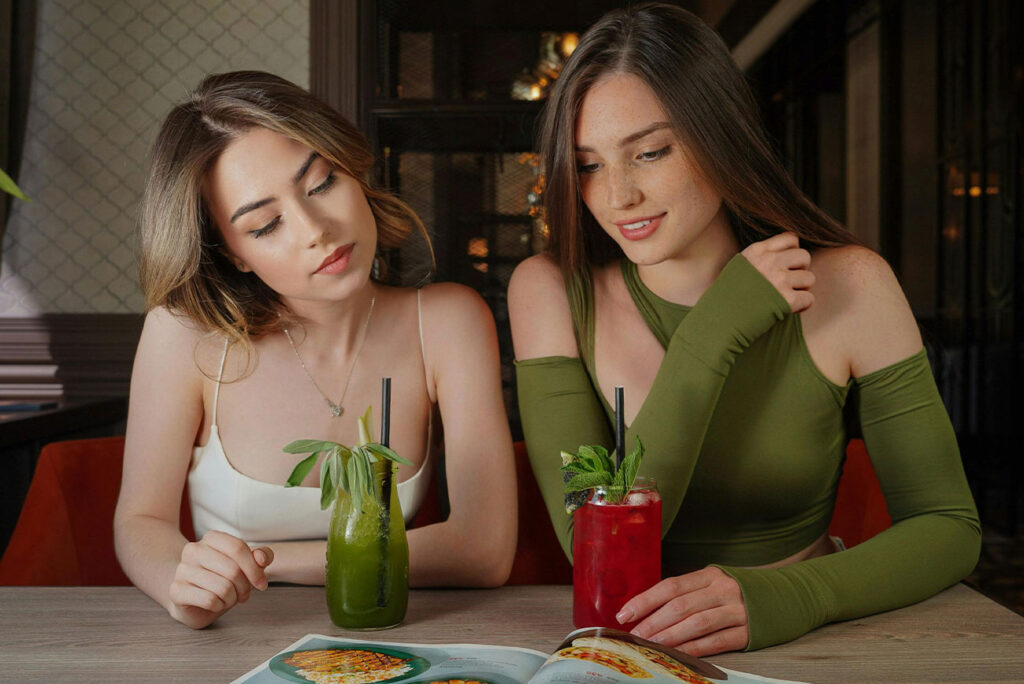
This mindset emphasizes awareness over abstinence. Many young adults still drink occasionally, but they choose alcohol-free alternatives more often. Non-alcoholic beers, mocktails, and social “dry months” have become part of mainstream culture.
Researchers note that Gen Z’s heightened self-awareness, or metacognition, fuels this shift. By reflecting on how alcohol affects mood, sleep, and performance, they’re redefining fun through intention rather than intoxication.
4. Social Life Is Changing — and So Is Drinking
In-person socializing has declined dramatically among young people. According to the U.S. Surgeon General, the average time spent with friends dropped from 30 hours per month in 2003 to 10 hours in 2020, with the steepest decline among 15- to 24-year-olds.
George F. Koob of the NIAAA observed:
Alcohol tends to be a social drug, even for young people, so part of the decline in underage drinking could be related to less in-person socializing.
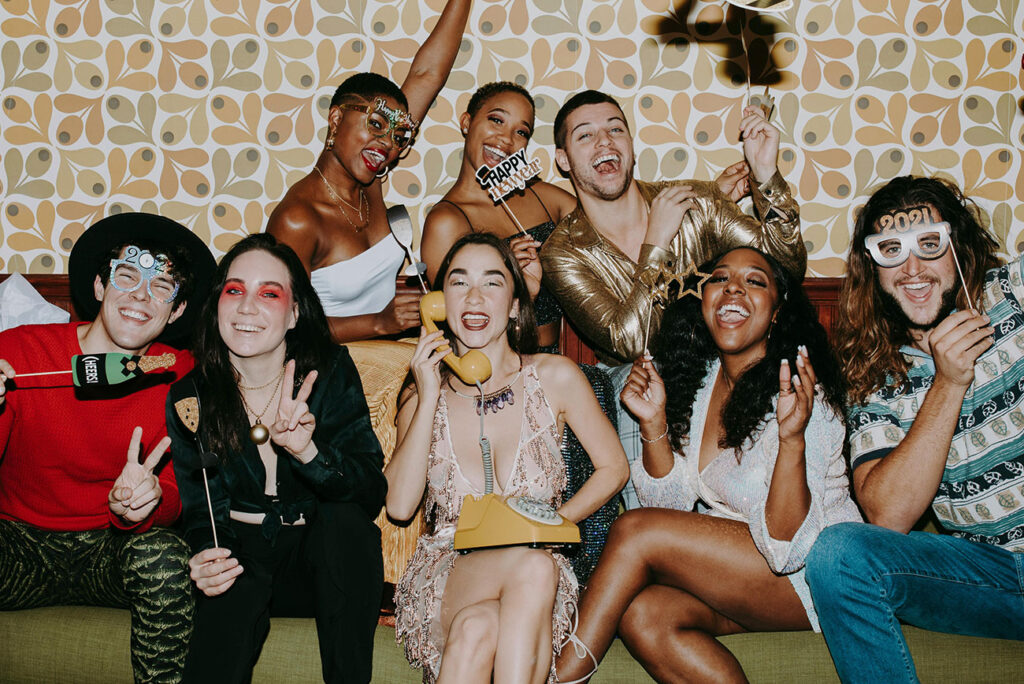
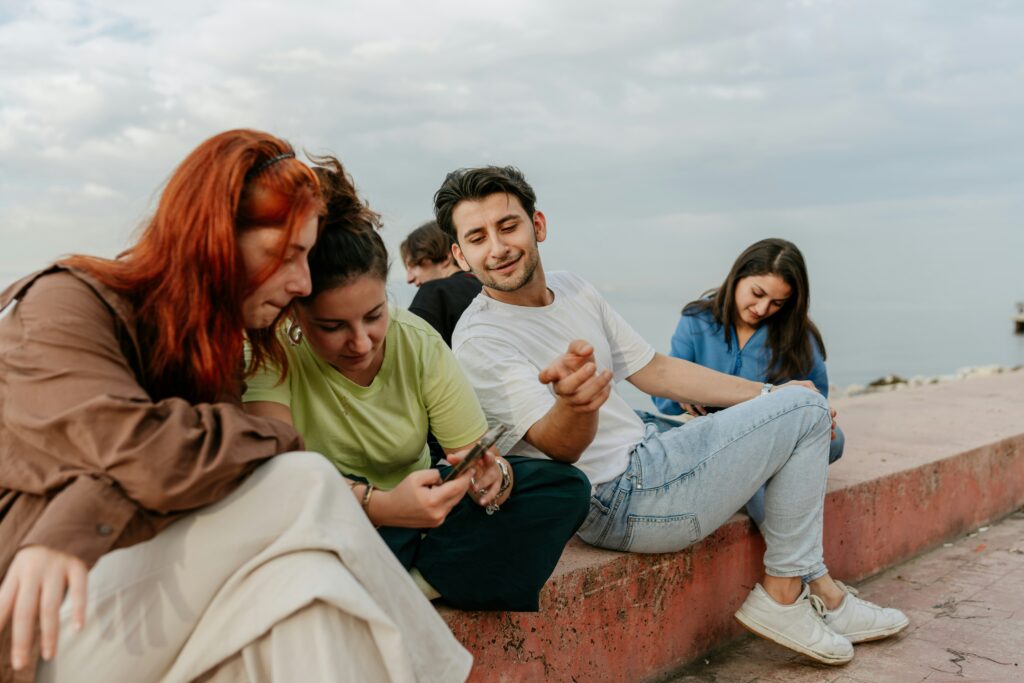
With digital friendships replacing bar nights, the traditional link between alcohol and togetherness is fading. For many, shared experiences—gaming, streaming, hiking, or yoga—now replace the need for a drink in hand.
5. Economic and Legal Pressures Promote Moderation
Alcohol’s decline is partly practical. Inflation, student-loan burdens, and rising rent make regular bar tabs less appealing. And with the U.S. drinking age locked at 21 since 1984, many in Gen Z entered adulthood with limited drinking exposure.
Madison Schmidt, a public-relations student at New York University, shared:
Economic pressures also shape our habits. Faced with rising housing costs, mounting education debt, and an 8.3% unemployment rate among 20- to 24-year-olds, many are cautious spenders. Nearly half of Gen Z are delaying major purchases, and living with their parents is common. These realities encourage more-careful drinking.
To many young adults, alcohol simply doesn’t offer enough return on investment—financially or emotionally.
6. Marketing and Cultural Messages Have Evolved
Gone are the “party-hard” slogans of the 1990s. Alcohol brands now lean into wellness and moderation to appeal to Gen Z sensibilities.
Sybil Marsh, a physician specializing in family medicine and addiction, explained:
There was a time where drinking some alcohol was a badge of maturity and was sophisticated. But now, it’s only one out of a whole range of ways that people can relax or show sophistication and so on.
The rise of sober bars like Sans Bar (Austin) and Hekate Café (New York City) reflects a cultural pivot: socializing is being decoupled from alcohol entirely. Even major beverage companies now produce non-alcoholic lines to stay relevant.

7. Mental Health Awareness Is Redefining Coping
Gen Z is the most mental-health-literate generation yet. They speak openly about anxiety, depression, and therapy—and they increasingly recognize alcohol as counterproductive to emotional stability.
Koob remarked:
Many young people today see drinking as counterproductive to their mental-health goals. They’re not afraid of challenging the old ‘let-loose’ mentality if it means staying sharp and feeling good.
Emerson Haven, a 26-year-old stage director and graduate student in New York City, shared his personal approach:
There’s a history of alcoholism in my family, so I’m just careful about it. I never drink alcohol if I feel like I’m having a bad day, because I don’t want to create that association. And sometimes I just don’t enjoy the feeling of being drunk.
This transparency about triggers and emotional self-care has transformed how younger people view alcohol—not as relief, but as risk.
8. Digital Identity and the Desire for Control
For Gen Z, every moment can be captured and shared, so drinking choices are filtered through the lens of online permanence. Managing one’s digital footprint—and avoiding a trail of regrettable content—creates a built-in incentive to moderate or skip alcohol altogether. This isn’t just about image; it’s about agency, reputation management, and aligning public identity with personal values.
Madison Schmidt, a public-relations student at New York University who analyzed Gen Z’s consumption patterns, observed:
Digital social lives further reduce alcohol’s traditional role in socializing. Together, these trends reveal a generation quietly reshaping alcohol culture.
In practice, that means substituting bar nights with camera-friendly, sober-positive activities (concerts, fitness classes, creative meetups) and prioritizing clarity over clout. For many, staying in control now includes staying camera-ready—mentally, emotionally, and reputationally.
9. Redefining Fun and Fellowship
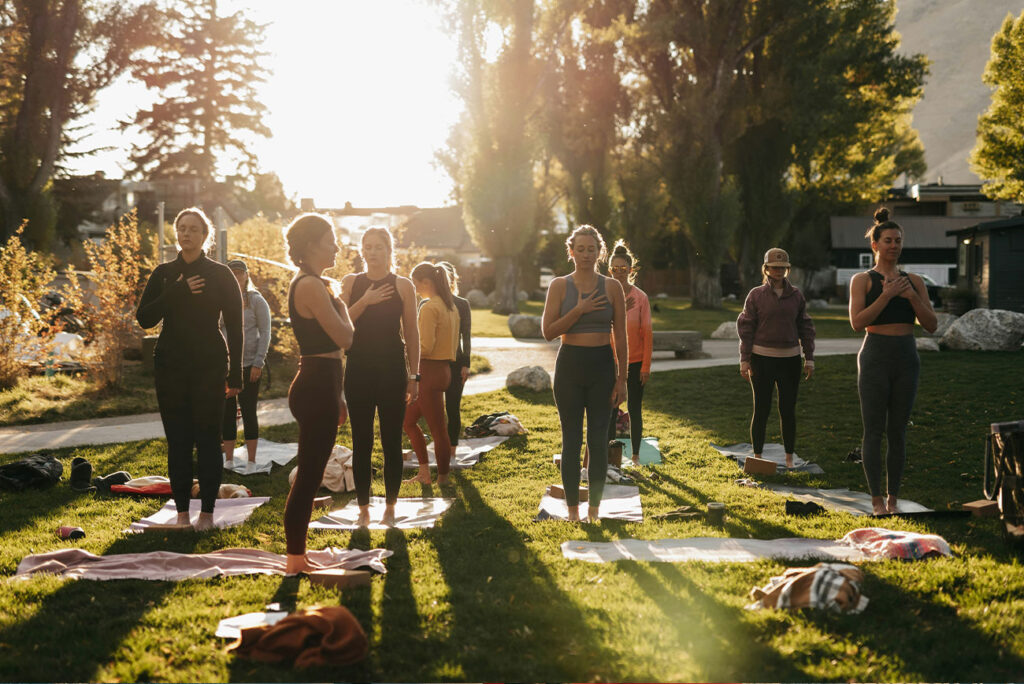
For many in Gen Z, joy comes not from alcohol but from connection. From wellness retreats to sober dance parties, the idea of fun has expanded.
Isaac Hinkle, a biblical-studies student at Cedarville University, reflected:
The answer to Gen Z’s nondrinking is obvious, if we look at alcohol consumption as what it ought to be: a catalyst for fellowship. Sadly, fellowship is exactly what’s lacking among the people of this generation.
While Hinkle points to a loneliness epidemic, his words underline a broader truth: Gen Z’s reduced drinking is part of a larger search for meaning, community, and authenticity.
10. Lessons From Gen Z’s Shift
Gen Z’s sober-curious culture offers lessons beyond its age group:
- Sobriety is normalized. Abstaining or moderating is no longer stigmatized.
- Intentionality matters. Drinking decisions are guided by reflection, not routine.
- Wellness is holistic. Mental and physical health are inseparable from lifestyle choices.
- Community evolves. Alcohol-free spaces foster inclusion and connection.
This cultural redefinition shows that rejecting excess isn’t about restriction—it’s about liberation.
Final Thoughts
Generation Z’s move away from alcohol isn’t rebellion—it’s reflection. This generation is redefining what it means to relax, connect, and celebrate. Their habits reveal a cultural shift from escapism to intention, from conformity to authenticity.
John Milas, an Amherst College student studying social trends, reflected on this larger movement:
The decline of drinking is only one element in a broad trend of health consciousness among Generation Z, which is leading the way in broad trends across the population.
That growing mindfulness is deeply personal, too. Emerson Haven, a 26-year-old stage director and student, shared:
I never drink alcohol if I feel like I’m having a bad day, because I don’t want to create that association. And sometimes I just don’t enjoy the feeling of being drunk.
Their choices echo a wider redefinition of what “healthy living” means—one that goes beyond physical fitness to encompass emotional balance and authenticity.
Physician Sybil Marsh, who specializes in addiction and family medicine, noted how the meaning of drinking itself has evolved:
There was a time where drinking some alcohol was a badge of maturity and was sophisticated. But now, it’s only one out of a whole range of ways that people can relax or show sophistication and so on.
In many ways, Gen Z’s sober-curious mindset isn’t about giving something up—it’s about gaining something back: control, clarity, and connection. They’re demonstrating that adulthood can be lived consciously, joyfully, and without compromise—and that choosing presence over intoxication may be this generation’s most defining act of self-care.