
Each January, millions of people around the world set down their glasses for a few weeks in what’s become known as Dry January—a monthlong experiment in abstaining from alcohol. What began as a niche challenge has become a global movement toward mindfulness, balance, and better health.
But Dry January is about more than just skipping drinks—it’s about exploring your habits, noticing your triggers, and discovering new ways to feel good without alcohol. Experts say the lessons you learn in those 31 days can spark lasting improvements in your sleep, mood, finances, and physical health all year long.
Here are 17 expert-backed strategies to help you make the most of your Dry January—and maybe even reshape your relationship with alcohol for good.

1. Understand the “Why” Behind Dry January
The first step to success is knowing what you’re really trying to accomplish. For many, Dry January serves as a “reset” after the social swirl of the holidays.
Mike Russell, co-founder and CEO of Monument, explained why the timing is so appealing:
“Many people look for clear ‘start lines’ when introducing new habits into their life, which makes a 30-day dry challenge at the beginning of a new year a particularly compelling time to quit drinking.”
Understanding your motivation—whether it’s better sleep, improved focus, or overall health—keeps you grounded when temptations arise.
Killian Campbell, a sound healer who has been sober for six years, added:
“First things first, dial into why you’re doing Dry January. Whether it’s to improve your health, reset your relationship with alcohol or just to try something new, having a clear purpose will keep you motivated.”
Write down your reason in a note or journal entry, and revisit it throughout the month as a reminder.

2. Recognize Your Triggers
Experts agree that recognizing what drives your desire to drink can dramatically improve your odds of success.
Steven Dick, director at The Fitness Group, encouraged participants to examine their daily routines:
“Are there specific situations, emotions or even times of day that make you reach for a drink? Common triggers include stress after a long day, boredom when there’s nothing to do, or social settings where alcohol is the norm.”
Once you know your triggers, you can start replacing them with healthier alternatives—like exercise, creative projects, or social connections that don’t center around alcohol.

3. Prepare for Challenging Moments
Planning ahead helps you avoid old patterns. If you know a particular situation might test your willpower, create strategies in advance.
Dick offered this advice:
“If stress is your primary trigger, consider healthier alternatives to unwind, such as yoga, deep breathing exercises, or a calming evening routine that includes a warm bath or journaling.”
Other helpful substitutions include:
- Taking evening walks instead of pouring a drink
- Trying mindfulness or meditation apps
- Listening to uplifting podcasts or music
- Calling a supportive friend
Preparation ensures you won’t be caught off guard when the urge strikes.

4. Reframe Your Relationship with Alcohol
Dry January isn’t just about cutting out drinks—it’s about understanding how alcohol fits into your life.
Dr. George F. Koob, director of the National Institute on Alcohol Abuse and Alcoholism (NIAAA), emphasized this introspective benefit:
“At the very least, taking a break gives a person a chance to evaluate their relationship with alcohol and cultivate alternatives for relaxing, socializing, coping, and more.”
By reframing your thinking, you begin to see sobriety as a choice, not a punishment, and discover that joy, connection, and confidence don’t require alcohol.

5. Embrace the Early Physical Benefits
The changes begin quickly—often within the first two weeks.
Katie Garry, CEO and founder of Seek, explained:
“A lot of the benefits we experience from Dry January can happen as early on as week two. People experience extra energy, better quality sleep, and even notice their skin is more hydrated.”
By week three, participants often notice more profound improvements, including:
- A healthier gut microbiome
- Reduced brain inflammation
- Lower anxiety and stress
- Better liver function and reduced arterial plaque
Even moderate drinkers report more stable energy and fewer mood swings by the end of the month.

6. Support Your Mental Health
Alcohol impacts the brain’s communication pathways, often worsening anxiety and depression. When you stop drinking, those systems begin to recalibrate.
Russell pointed out an important pattern:
“People often drink as a coping mechanism, and while this can initially help soothe symptoms of anxiety, once the effects of alcohol wear off it can spike again with more intensity than before.”
As your brain adjusts, you may feel a sense of clarity, confidence, and emotional stability that strengthens your motivation to stay the course.

7. Replace Dopamine with Healthy “Swaps”
Alcohol releases dopamine, the brain’s feel-good chemical, which is why the first few alcohol-free weeks can feel flat.
Garry explained how to bridge that gap:
“During the first few weeks of Dry January, our brains will still anticipate a massive dopamine release every time we do something that usually involves alcohol. We recommend going into Dry January with three to five feel-good activities or foods that will also trigger a big dopamine release.”
Examples of effective dopamine swaps:
- Listening to live music
- Exercise or dance
- Cooking a new recipe
- Spending time outdoors
- Watching comedy or movies with friends
Think of these as “joy substitutions”—positive ways to stimulate the brain’s reward center.

8. Find Non-Alcoholic Alternatives You Actually Enjoy
Having something in your hand helps ease the social awkwardness of skipping drinks.
Brooks Addington, CEO of Töst, recommended exploring creative options:
“Just because you aren’t drinking alcohol doesn’t mean your drinks—or you—have to be boring. Dry January is a great time to experiment with beverage alternatives.”
Today’s non-alcoholic market includes sparkling teas, mocktails, adaptogenic tonics, and even zero-proof spirits. Try brands like Ghia, Lyre’s, Curious Elixirs, or Kin Euphorics for flavorful alternatives.
As Garry advised:
“Make sure that the NA drink aligns with what you usually drink. If you love red wine and hate beer, don’t try an NA beer just because it’s NA. Chances are you won’t like it.”

9. Track Your Progress and Celebrate Wins
Tracking helps you visualize growth. Recovery coach Elizabeth Walker suggested a creative approach:
“Make it visual. A wall chart where you cross off days or add stickers is a surprisingly motivating way to see your success building up.”
You can also track metrics such as:
- Sleep quality
- Mood stability
- Energy levels
- Financial savings
Each positive change becomes proof that your effort is paying off—and motivation to keep going.

10. Lean Into Community and Accountability
Social support is one of the strongest predictors of success.
Emma Newman, alcohol-free drinks writer and judge, highlighted the importance of telling others about your commitment:
“Telling friends and family makes all the difference. Not only does it help with accountability, but you might motivate someone to join you or support your efforts.”
You can also join online groups, Reddit forums, or apps like Monument, Tempest, or Dry Together, where others share tips, encouragement, and progress updates.

11. Handle Social Pressure Gracefully
The “why aren’t you drinking?” question can be awkward, but experts recommend having a plan.
Campbell advised:
“Remember, you are doing this for yourself and no one else, so it doesn’t matter what other people think.”
If you’re at a party, bring your own mocktail or sparkling water, and practice polite, confident ways to decline drinks. If certain people consistently make you uncomfortable, it might be time to reassess those relationships, too.

12. Be Kind to Yourself
Perfection isn’t the goal—progress is.
Newman offered reassurance for anyone who slips up:
“If you slip up, don’t dwell. It’s all about progress, not perfection. Treat this as the start of healthier, long-term habits that last beyond January.”
Every day you choose not to drink is a win. If you have a setback, simply reset the next morning and continue forward without shame.

13. Reward Milestones Along the Way
Positive reinforcement keeps motivation high.
Dick recommended small but meaningful incentives:
“Reward yourself for reaching key milestones, like one week or halfway through the month. That could look like going out for your favourite food, buying something new, or making your reward something exercise-related like new trainers.”
Celebrating achievements trains your brain to associate sobriety with accomplishment and pride, making it easier to sustain those habits long after January ends.

14. Explore Fun, Alcohol-Free Activities
Many participants discover that life without alcohol is far from boring. Newman encouraged filling your calendar with fresh experiences:
“Try fun activities like food tours, cooking classes, hikes, theatre, comedy shows, yoga, spa days, art workshops, or local festivals – great ways to stay social and entertained.”
By finding joy and connection through sober activities, you reinforce that pleasure doesn’t have to come from alcohol—it can come from presence, creativity, and connection.

15. Know When to Seek Professional Help
While Dry January can be a great reset, those with heavier drinking patterns should approach it cautiously.
Dr. Koob warned:
“The abrupt cessation of drinking after chronic, heavy alcohol use can precipitate dangerous, even deadly, withdrawal. Depending on how much and how often a person drinks, withdrawal symptoms could include insomnia, anxiety, nausea, seizures, and even death.”
If you’ve been drinking heavily for a long time, talk to a doctor before stopping. There are safe, structured programs available to help you reduce or quit alcohol under medical supervision.

16. Focus on Feelings, Not Just Days
Instead of counting down the calendar, notice the emotional and physical changes that come from abstaining.
Dick encouraged participants to shift their perspective:
“Shifting your focus from a daily countdown to tracking the positive changes in your mind and body can not only keep you motivated but also help you develop a deeper understanding of the benefits of taking a break from alcohol.”
Ask yourself:
- Do I feel calmer or more rested?
- Is my focus sharper?
- Am I more patient or present?
By noticing the qualitative benefits, you’ll internalize how much better life feels without relying on alcohol.
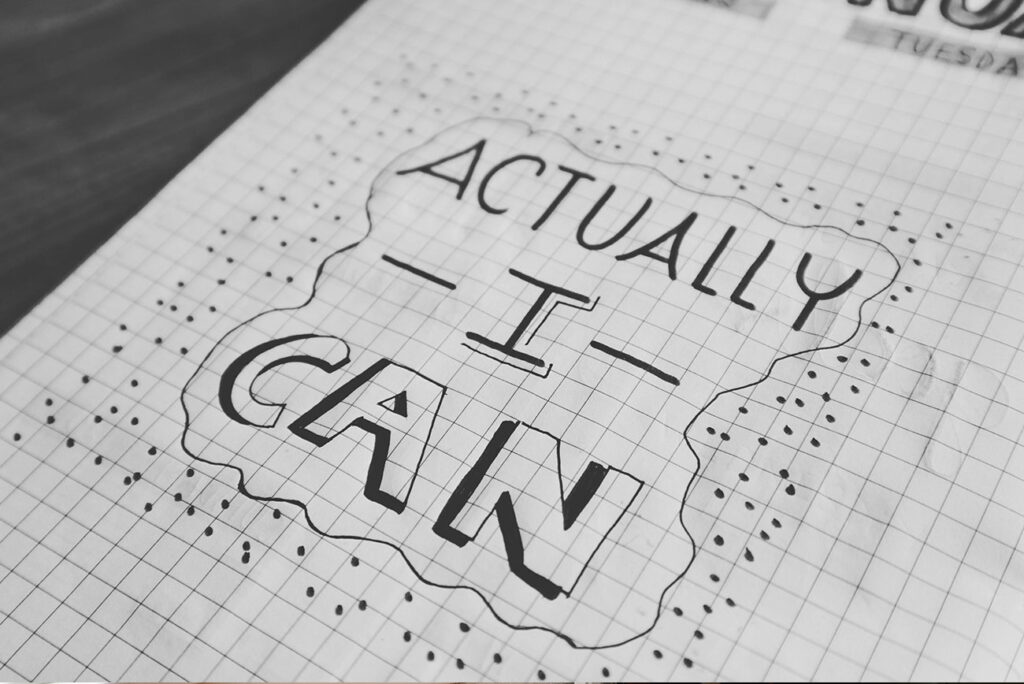
17. Use Affirmations to Strengthen Mindset
Positive self-talk can reinforce your commitment.
Walker suggested a simple daily practice:
“Starting your day with empowering ‘I am’ statements will help you re-wire your brain and maintain motivation. For example: ‘I am making choices that honour my health,’ or ‘I am thriving without alcohol.’”
Integrating affirmations into your morning routine helps align your actions with your intentions and cultivates long-term confidence.

Final Thoughts: Beyond the 31 Days
Dry January isn’t just about a single month of abstinence—it’s a gateway to mindfulness about how and why you drink. Many participants notice lasting benefits that ripple into February and beyond, from better sleep and clearer skin to improved mental clarity and self-respect.
As therapist Dr. Natalie Feinblatt noted:
“Dry January encourages people to reassess their relationship with alcohol and often leads to a deeper understanding of its impact on their physical and mental health.”
Even if you return to moderate drinking later, the awareness and self-knowledge you gain will stay with you—and that’s the real victory.