Hop water has sprinted from niche curiosity to weekly staple for people who enjoy hop aroma but want a clear head, clean labels, and no hangover. This long-form guide blends consumer testing insights with category context to explain what hop water is, how it tastes, why it’s booming, and how to choose (or even make) a can you’ll love. Written for Recovery.com’s public audience, it’s educational, SEO-friendly, and designed for skimmers and deep readers alike.
1. What Hop Water Is—and What It Isn’t
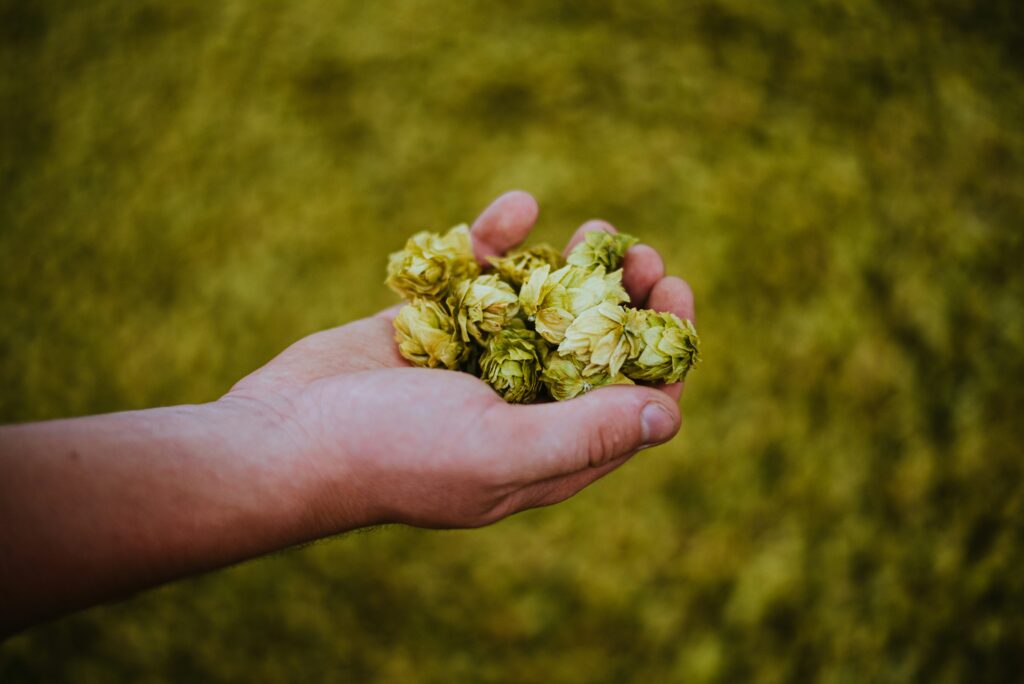
At its simplest, hop water is carbonated water infused with hops. There’s no malt, no yeast fermentation, and no alcohol. The result drinks like an aromatic seltzer—sparkling, crisp, and layered with citrus, pine, floral, or tropical notes depending on the hop varieties used. Some brands keep it ultra-minimal (just water, hops, and CO₂), while others add fruit essence, botanicals, or tea for extra dimension.
What hop water does not try to be is beer. Nonalcoholic (NA) beer sets out to mimic beer and then remove or reduce alcohol; hop water never includes alcohol in the first place. If beer is a meal, hop water is a bright, refreshing snack that scratches the hop itch without weighing you down.
Snapshot:
- 0.0% ABV by design
- Often 0 calories, 0 sugar, 0 carbs
- Flavor = hop aroma first, bubbles second

2. Why It’s Taking Off: The Moderation Movement Meets Better-For-You
Craft beer’s explosive growth has cooled, while no/low alcohol choices and functional beverages have surged. Consumers are looking for ritual without impairment, especially on weeknights, during training cycles, and at social events where they want to remain clear-headed. Hop water slots neatly into that moment: it looks and feels like a celebratory beverage, with adult flavors that read as intentional—not a consolation prize.
Key forces accelerating adoption:
- Health and performance focus: people minimizing alcohol for sleep, recovery, and mental clarity
- Occasion expansion: lunch breaks, pre-game tailgates, and post-work decompression without a buzz
- Category innovation: more flavors, single-hop releases, tea-based lines, and seasonal drops

3. Taste 101: Why Flavor Profiles Vary So Much
Hops are the star. Different varieties contribute distinct aromas:
- Citra: bright grapefruit, lime, and mango
- Mosaic: blueberry, stone fruit, and tropical lift
- Amarillo: orange zest and soft florals
- Sabro: coconut, tangerine, and cedar
- Galaxy: passion fruit and peach
- Cascade: classic grapefruit with pine
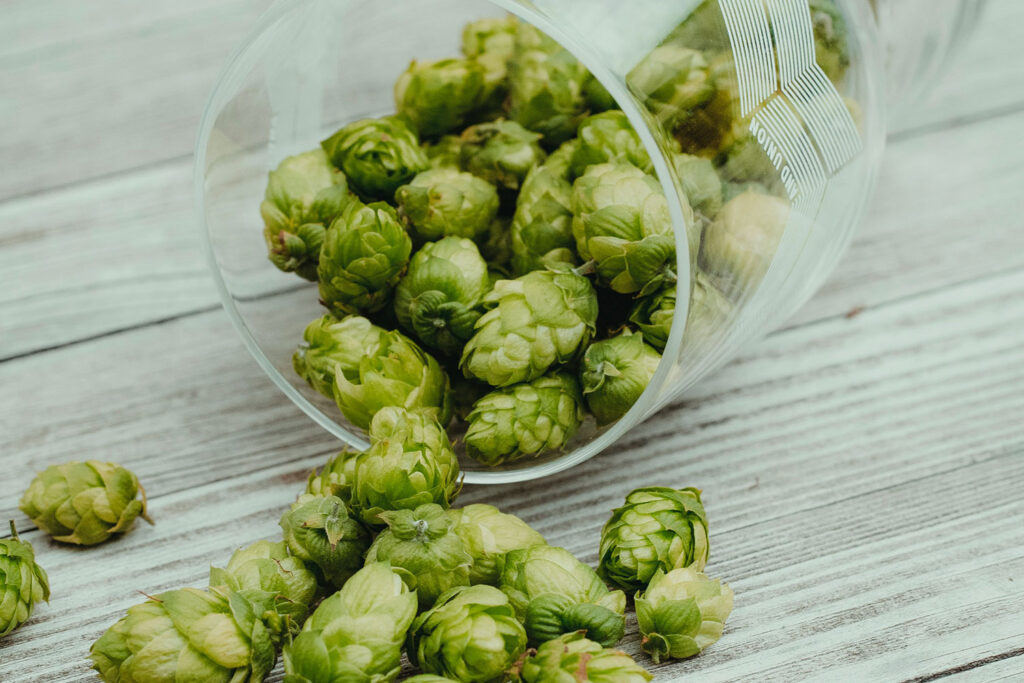
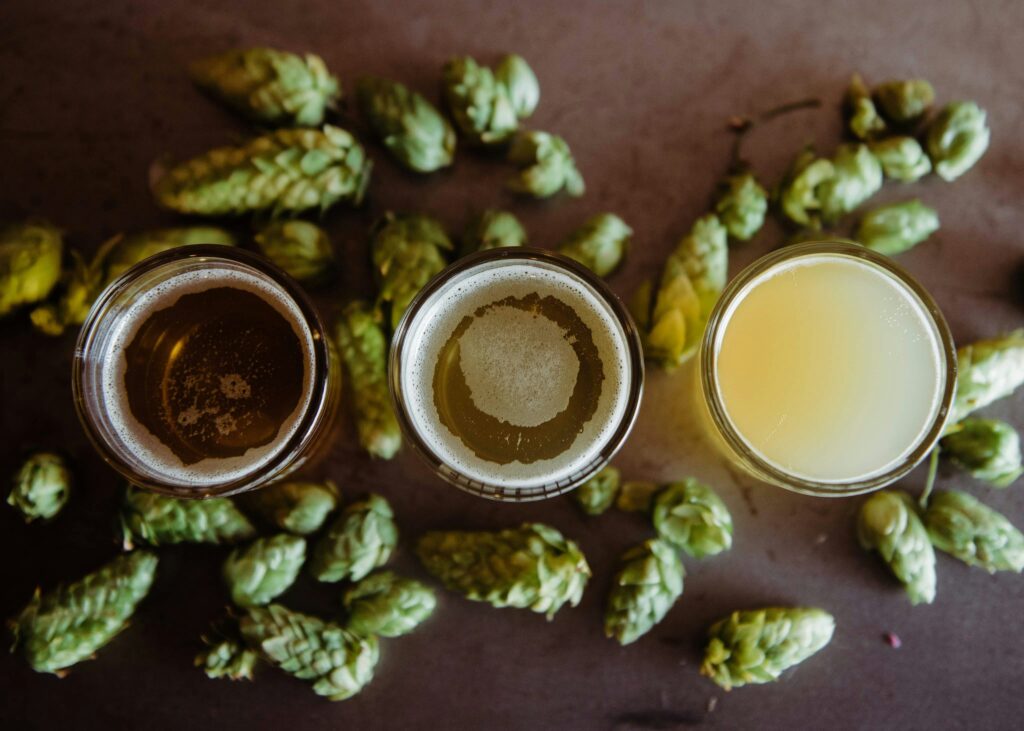
Technique matters, too. Some producers use hop oils for a glass-clear, clean profile; others steep pellet or whole-cone hops for a leafier, “green” nose. Additions like blood orange, pineapple, chamomile, hibiscus, or green/white tea shift the beverage toward spritz, tonic, or iced-tea territory. Expect little to no bitterness compared with beer, since there’s no hot boil to isomerize alpha acids.
Choosing your first flavor family:
- Prefer lemonade and palomas? Start citrus-forward (Citra, Amarillo).
- Love hazy IPA aroma? Try tropical (Mosaic, Galaxy, Sabro).
- Want something serene? Pick tea-based or minimal-ingredient cans.
4. Hop Water vs. NA Beer: Different Jobs, Different Joys
Both live in the “mindful drinking” aisle, but they fulfill different intentions.
Hop Water
- 0.0% ABV and typically 0 calories
- Drinks like aromatic seltzer
- Built for hydration, desk work, and daytime
- Clean labels are common (water + hops + CO₂)
NA Beer
- Up to 0.5% ABV depending on method
- Emulates beer body and malt flavor
- Good when you want beer-like taste without intoxication
- Calories and carbs are closer to beer
If your goal is zero alcohol with hop perfume and a featherlight feel, hop water wins. If you want beer’s malt structure without the buzz, NA beer is the better fit.
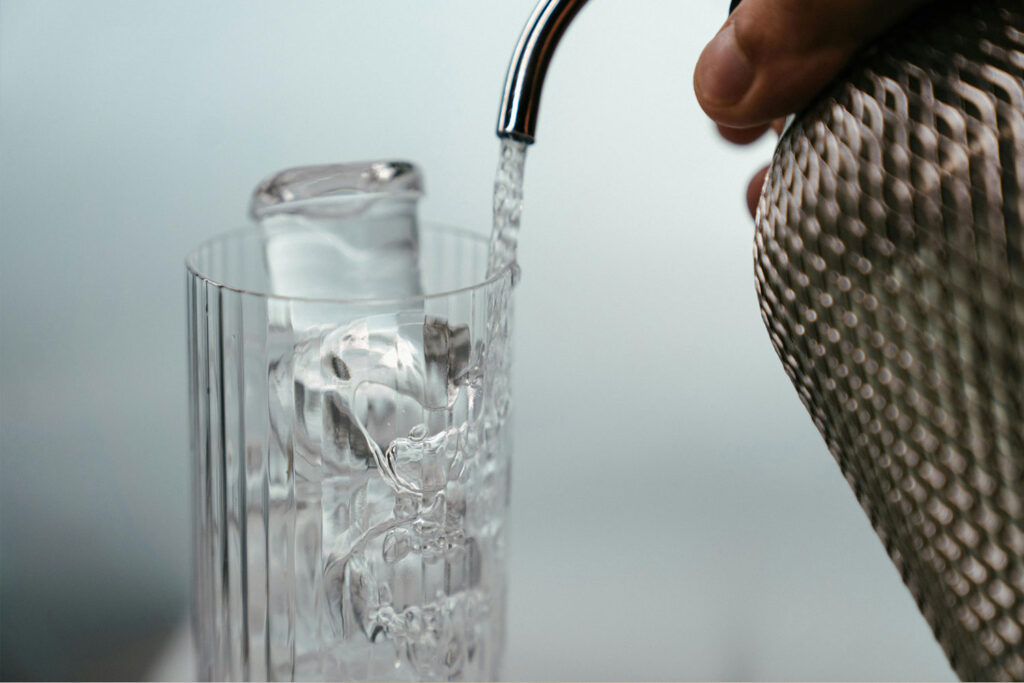
5. The Health-Forward Appeal—and Thoughts on “Functional” Add-Ins
For those tracking sleep, mood, or recovery, hop water’s no alcohol, no sugar baseline is appealing. Some brands layer in adaptogens (e.g., ashwagandha) or nootropics (e.g., L-theanine). Consumers often report that these blends feel spa-like or calming, though scientific consensus varies. If you prefer the shortest possible label, choose unflavored, hop-only cans. If you enjoy herbaceous complexity, explore botanical or tea-based options—many offer caffeinated and caffeine-free SKUs.
Label cues to scan:
- Ingredients: the fewer, the cleaner the profile
- Calories/sugar: many are zero, fruit-juice SKUs may list 10–20 calories
- Caffeine: check tea-based releases (chamomile/hibiscus are caffeine-free)
6. The Brand Landscape: Styles That Make It Easy to Start
Because palates differ, there’s no single “best” hop water—there are style lanes:
- Hop-forward minimalists: Just water + hops yields a clear, vivid aroma. Single-hop cans (Citra, Sabro, Mosaic) are great for learning your preferences.
- Hazy-IPA-adjacent: Tropical hops blended with fruit essence (e.g., mango, pineapple) create soft, juicy profiles reminiscent of hazy IPA aroma—without malt or alcohol.
- LaCroix-plus: Hop oil plus fruit essence keeps hops in the background with a crystal-clear look and very clean finish.
- Tea-based: White/green/black tea builds gentle tannin and structure; caffeine varies. Herbal teas (hibiscus, chamomile) deliver color and aroma without a stimulant.
- Functional blends: Adaptogen/nootropic variants layer herbal notes under hops; some “double-hopped” SKUs restore hop intensity if botanicals feel too dominant.
7. Flavor Families: A Quick Map for Every Palate
Use this simple grid to shop with confidence:
- Citrus-Bright & Crisp
Hops: Citra, Amarillo, Cascade
What it tastes like: grapefruit, lemon peel, pine snap
Best for: lunch, workouts, food pairing - Tropical & Juicy
Hops: Mosaic, Galaxy, Sabro
What it tastes like: mango, pineapple, coconut hints
Best for: hazy-IPA fans, summer gatherings - Herbal & Tea-Like
Base: white/green/black tea or herbal blends
What it tastes like: delicate tannin, garden aromatics
Best for: afternoon sips, café swaps - Botanical & Tonic-Leaning
Adds: quinine, citrus peel, light sweetness
What it tastes like: G&T-adjacent, aperitivo energy
Best for: mocktail mixers, salty snacks - Minimal & Dry
Formula: water + hops (+ CO₂)
What it tastes like: pure hop perfume, brisk finish
Best for: zero-cal seekers, all-day hydration
8. Where Hop Water Fits in Real Life
Hop water shines in the everyday moments where beer doesn’t quite fit.
- Workday ritual: Crack a can at 3 p.m. for a brain-friendly reset.
- Training days: Celebrate the workout without complicating macros.
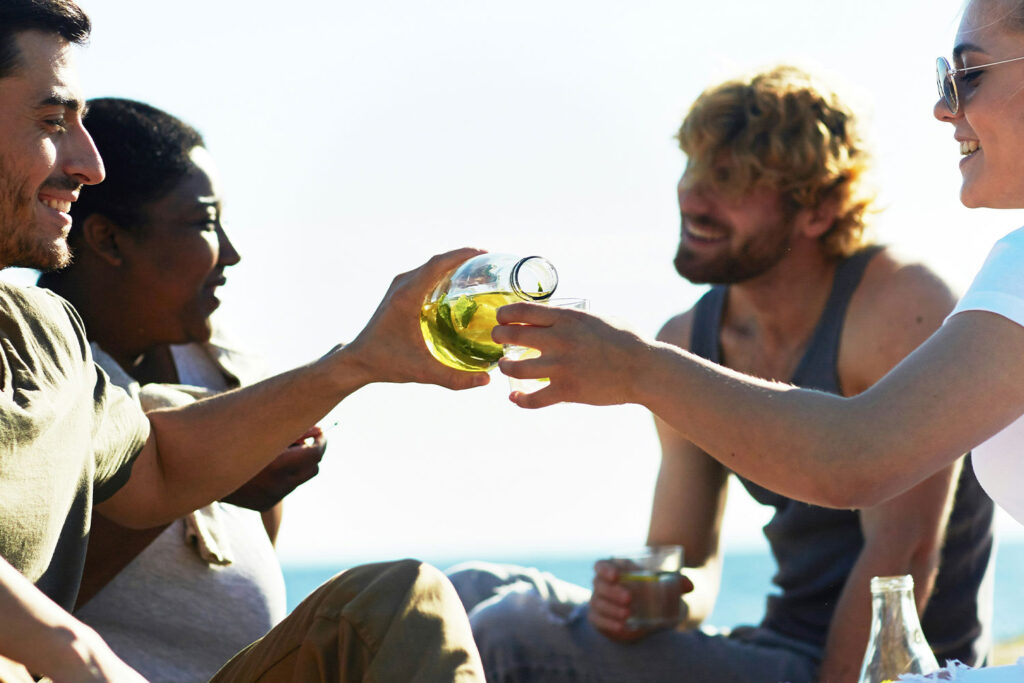
- Social events: Hold a can confidently at parties, concerts, and backyard hangs.
- Travel and tailgates: Stay sharp, hydrated, and included.
- Winds-down evenings: Choose caffeine-free options for late-night sipping.
Bonus: It’s a natural bridge for people exploring mindful drinking, providing flavor and festivity without feeling like deprivation.

9. Zero-Proof Mocktails: 4 Easy Templates You’ll Actually Use
Keep these formulas in your back pocket—each scales for a crowd.
Citra Spritz
- 6 oz citrusy hop water
- ½ oz fresh grapefruit juice
- 2 dashes NA bitters
- Grapefruit wheel
Tropical Cooler
- 6 oz tropical hop water (Mosaic/Galaxy)
- 1 oz pineapple juice
- Squeeze of lime
- Mint garnish
Tea & Tonic Highball
- 6 oz white/green hop-tea
- 2 oz NA gin
- Expressed lemon peel
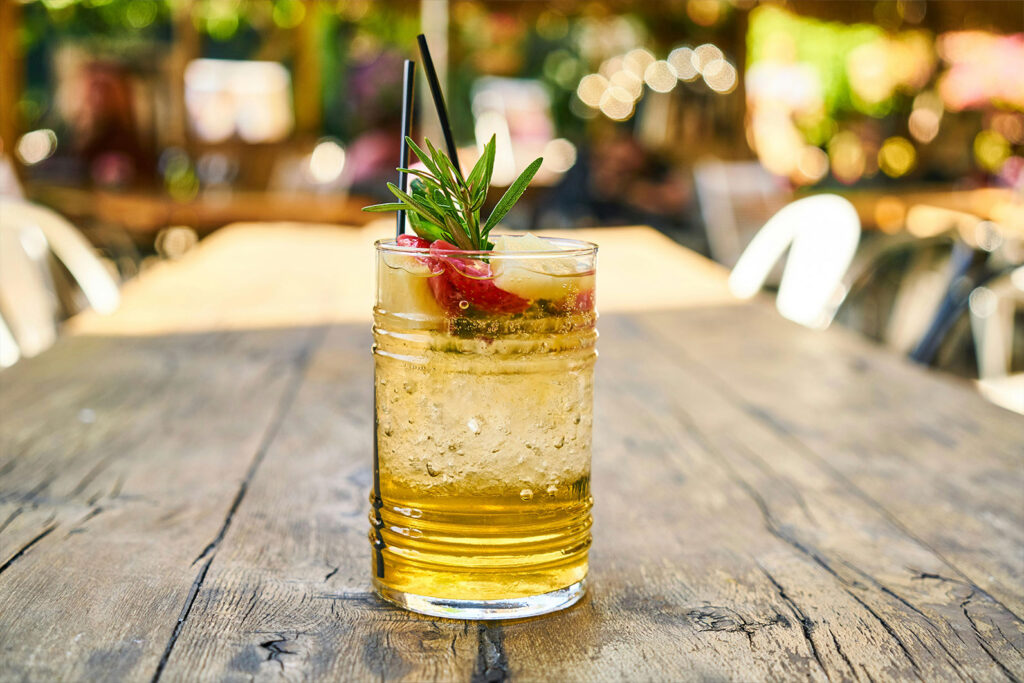
Herbal Shandy (Zero-Proof)
- 5 oz hop water
- 3 oz quality lemonade
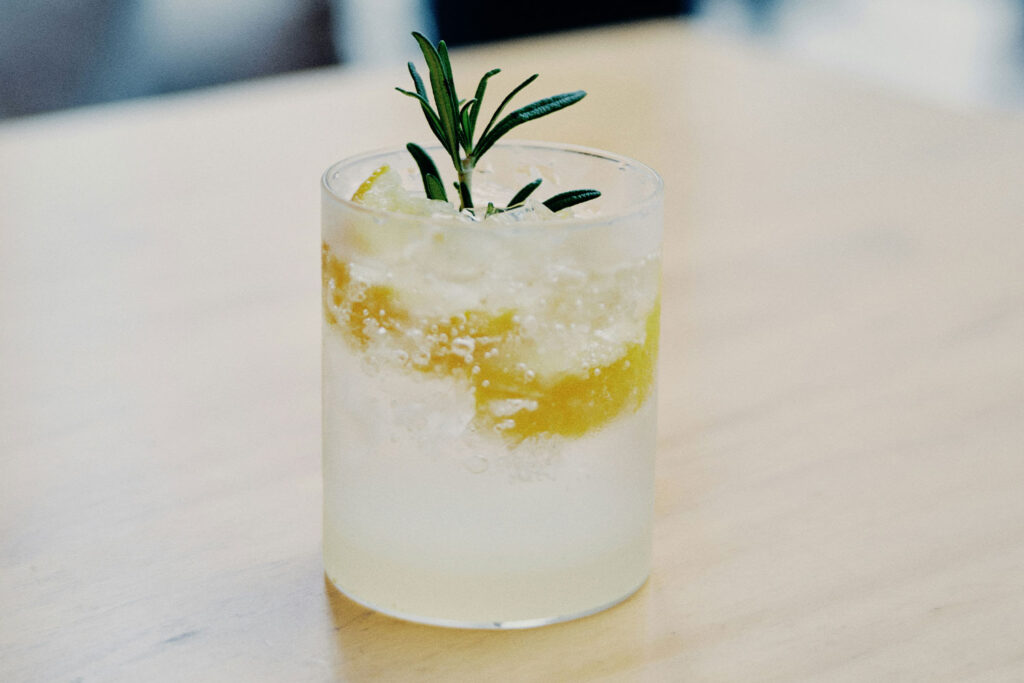
- Rosemary sprig (clapped to release oils)
Tips for better bubbles:
- Use frozen fruit as ice to avoid dilution.
- Salt or chili rims add instant craft-bar energy.
- Stir gently to preserve carbonation.
10. DIY Hop Water: A Beginner-Friendly, Scalable Method
Making hop water at home is surprisingly simple and lets you tailor intensity.
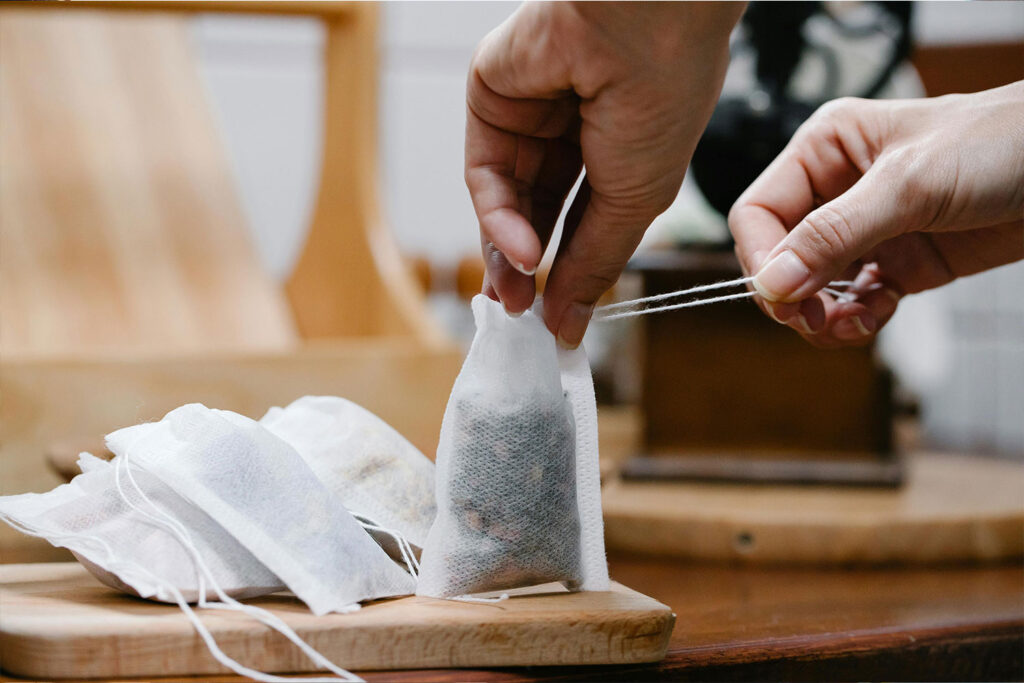
You’ll need: good-tasting, chlorine-free water; 3–4 g/L hop pellets (10% more for whole leaf); optional pinch of gypsum for snap; optional lemon/lime; optional tea; and a carbonation method (soda maker or keg).
Method:
- Prep water. Add a small squeeze of lemon/lime and a tiny pinch of gypsum (optional).
- Optional tea base. Cold-steep white/green tea at room temp for ~8 hours; remove.
- Steep hops. Contain pellets in a tea ball/hop spider and steep at room temp for ~24 hours.
- Remove & filter. Pull hops; strain any particles.
- Chill & carbonate. Serve cold in a tall glass to showcase aroma.
Dial-in advice:
- For bigger aroma, increase grams and shorten time (to limit “green” notes).
- For cleaner profiles, try hop oils/extracts.
- Blend in hibiscus or chamomile for color and calm.
11. A Simple Decision Tree to Find “Your” Can
Start with the outcome you want:
- Zero calories + bold hop aroma?
- Choose minimal-ingredient, hop-only cans; look for Citra/Mosaic/Sabro.
- Hazy IPA aroma without alcohol?
- Pick tropical blends with fruit notes like mango/pineapple.
- Seltzer lover who wants a hint of hops?
- Try hop-oil + fruit essence lines (crisp, ultra-clean).
- Mixology-ready?
- Go citrus-forward or tonic-adjacent; stock NA bitters and citrus.
- Caffeine-sensitive?
- Avoid black/green tea SKUs; choose chamomile/hibiscus or hop-only.
12. Hosting With Care: Make Zero-Proof Feel First-Class
Inclusive hosting is as simple as making the good stuff obvious. Build a small zero-proof station so nobody has to ask or hunt.
Stock these:
- One citrus-bright, one tropical, one tea-based, and one minimalist option
- Lime wedges, mint, rosemary, and NA bitters
- Tall, slim glassware to show off bubbles
Menu ideas to print on an index card:
- Citra Spritz: citrus can + splash of grapefruit + bitters
- Tropical Cooler: tropical can + pineapple + lime
- Tea Highball: hop-tea + NA gin + lemon oil
Small touches—garnishes, nice glassware, a labeled ice bucket—signal equal status for alcohol-free guests.

13. Food Pairing: Big Flavor Without Alcohol
Hop water’s aromatics and carbonation make it surprisingly food-friendly.
- Citrus-forward cans with grilled chicken, tacos, ceviche
- Tropical profiles with BBQ, spicy noodles, poke
- Tea-based options with sushi, grain bowls, salads
- Tonic-leaning styles with fried foods and salty snacks
Weeknight favorite: a Citra-heavy can alongside herb-lemon salmon and charred asparagus—bright, balanced, and easy.
14. Sustainability & Sourcing: Small Choices, Real Impact
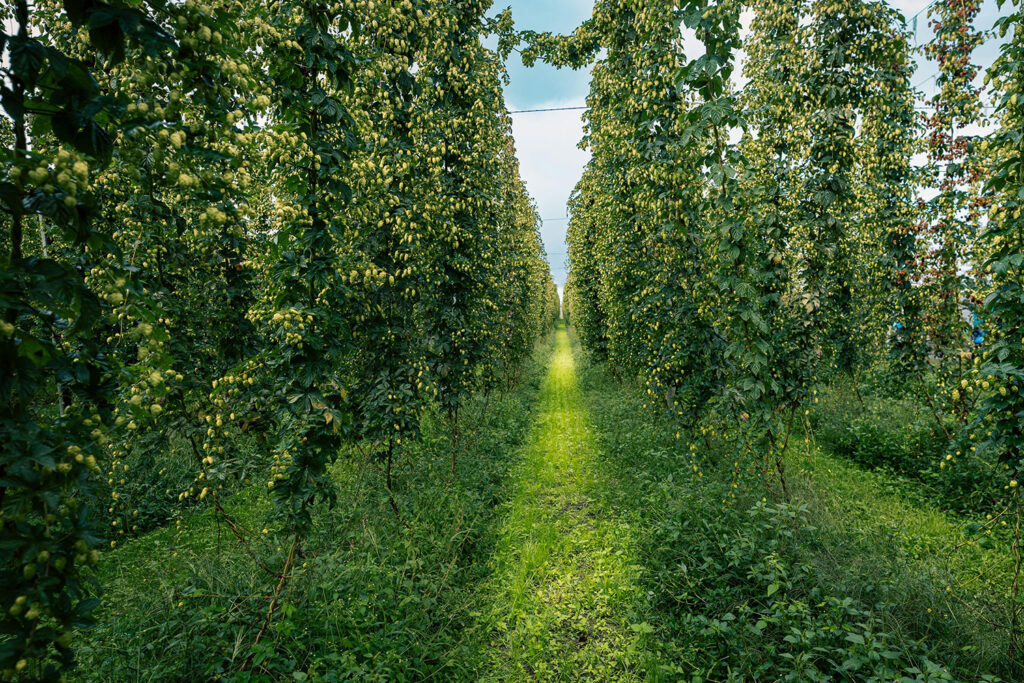
Compared with beer, hop water skips energy-intensive fermentation and cold storage, yet hops are still an agricultural crop sensitive to water and weather. If sustainability matters, consider:
- Supporting brands that name hop varieties or farms (transparency often correlates with sourcing care).
- Buying regional producers when possible to reduce shipping footprint.
- Using home carbonation for DIY batches or adding hop concentrate to reduce packaging.
Even choosing multipacks over singles can trim cost and packaging waste.
15. Build a Starter Flight: Learn Your Preferences in One Evening
A structured tasting accelerates discovery and cuts buyer’s remorse.
Grab these four:
- Citrus-bright classic (Citra/Amarillo)
- Tropical-juicy (Mosaic/Galaxy or fruit-infused)
- Tea-based (white or green)
- Minimalist “just hops + water” (zero calories)
How to taste:
- Chill all to the same temperature.
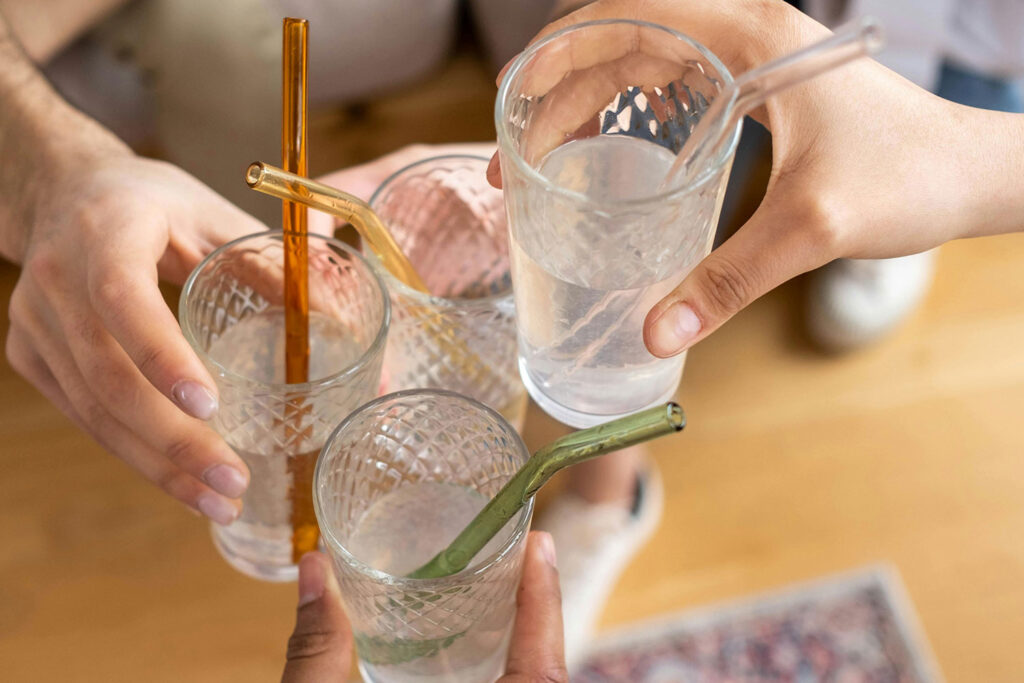
- Pour small 3–4 oz samples into identical glasses.
- Write three words per can (e.g., “grapefruit, pine, crisp”).
- Rank by “buy again,” “sometimes,” and “not for me.”
16. The Everyday Upside: Why Hop Water Sticks
The category has staying power because it solves real problems. It keeps social rituals intact while supporting goals around sleep, training, and mental clarity. It’s easy to stock, versatile in mocktails, and invites genuine flavor exploration through varietal hops and seasonal releases. For many, it’s simply a delicious, adult upgrade to plain seltzer.
Bottom line: Start with citrus and tropical, add a tea-based option for afternoons, and keep a minimalist can for all-day hydration. In one fridge shelf, you’ll cover every mood and moment.