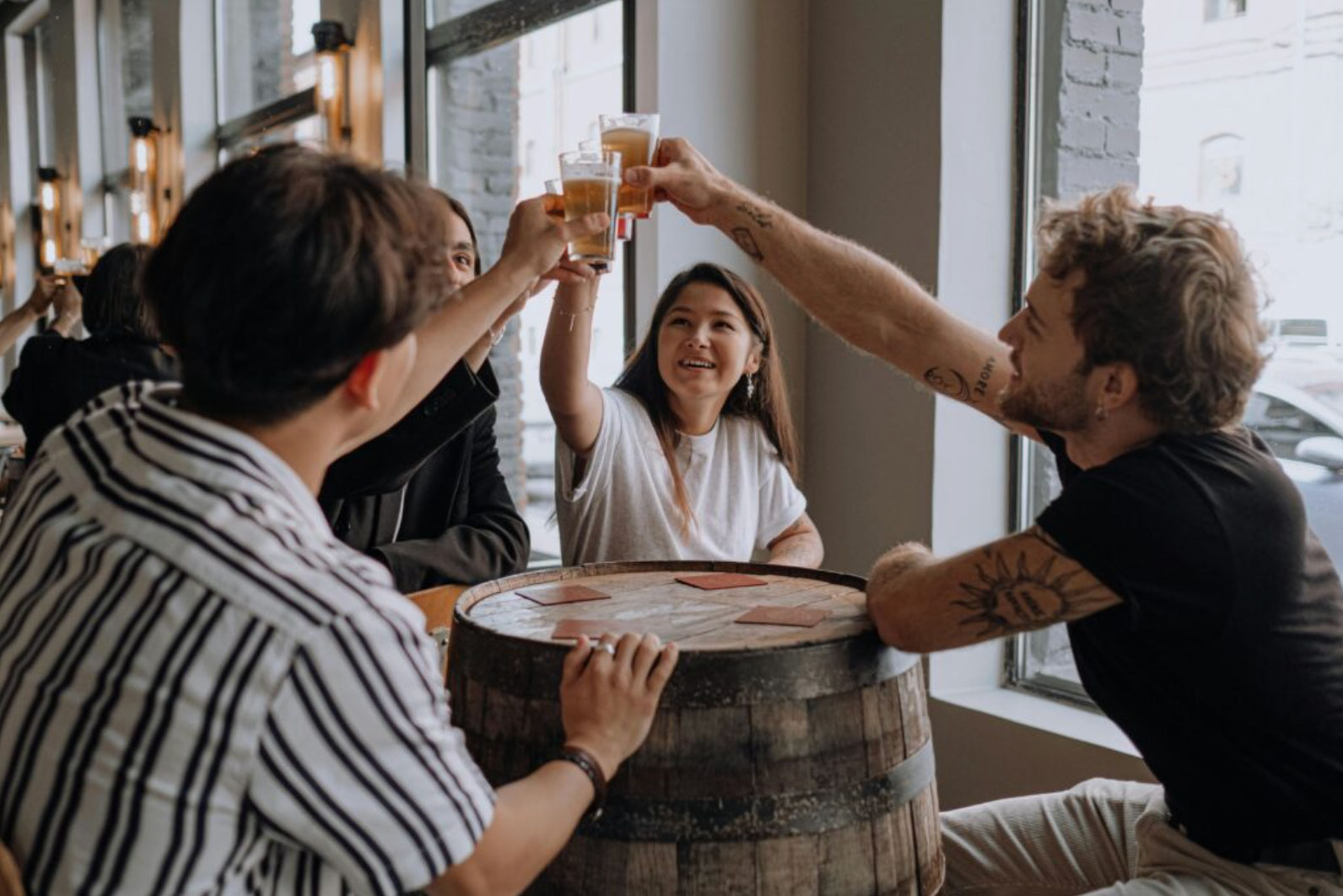
For decades, social drinking has been a fixture of American culture. But a quiet revolution is underway — one that encourages people to question their relationship with alcohol without forcing an all-or-nothing commitment. This movement is called intermittent sobriety, and it’s redefining what it means to drink mindfully in the modern world.
The concept isn’t about total abstinence or strict rules. Instead, it’s about creating intentional breaks from alcohol — whether for a few days, weeks, or months — to reset the body and mind, notice how alcohol impacts well-being, and make healthier choices moving forward.
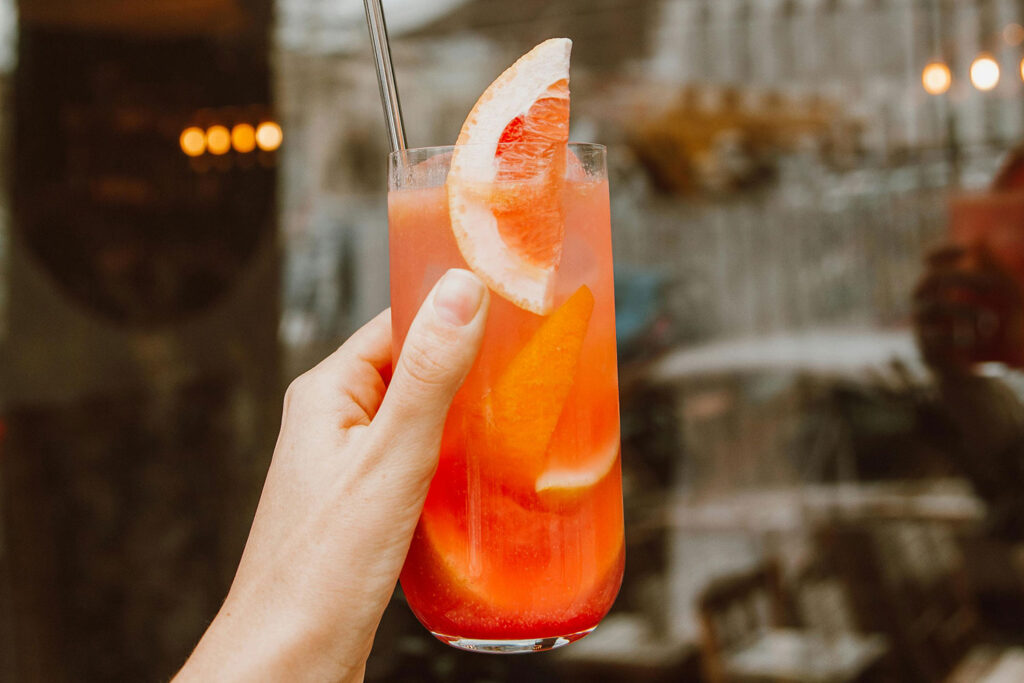
1. Understand What Intermittent Sobriety Really Means
At its core, intermittent sobriety is a flexible approach to drinking less. Rather than quitting completely, individuals take periodic breaks from alcohol to regain balance and perspective.
According to Dr. Nicole Lee, alcohol behavior change expert and CEO of Hello Sunday Morning:
“It’s becoming a lifestyle change for many, where people treat alcohol as a special-occasion activity rather than a daily or weekly habit.”
This mindset allows for moderation and mindfulness. It’s not about perfection — it’s about progress. You might participate in Dry January or Sober October, or simply choose to skip alcohol every other weekend. The goal is to make these breaks intentional and restorative, not restrictive.
2. Recognize Why the Trend Is Growing
Intermittent sobriety isn’t just a passing wellness fad — it reflects a broader cultural shift. Younger generations, particularly Gen Z and Millennials, are questioning the long-standing assumption that alcohol is essential for fun or relaxation.
A CNN report highlighted this trend, citing that 61% of Gen Z and 41% of Americans overall are looking to reduce their drinking. As Dr. Sanjay Gupta explained:
“People aren’t quite willing to go cold turkey, but they’re increasingly heading that way.”
This shift is supported by rising sales of non-alcoholic beverages, which have grown roughly 30% annually, and a booming market for mocktails and zero-proof spirits. As society becomes more health-conscious, the normalization of choosing not to drink is gaining traction — and acceptance.

3. Notice the Health Benefits of Taking Alcohol Breaks
Even short breaks from alcohol can lead to measurable health improvements. Experts say you may notice benefits in as little as one to two weeks of abstinence.
According to dietitian Peta Adams, founder of Ingrained Nutrition:
“You’ll see improved glucose regulation, better hydration, longer REM sleep, and increased energy levels.”
Regular alcohol consumption can deplete vitamins like thiamine, disrupt glucose metabolism, and contribute to dehydration — all of which can negatively impact mood and energy.
By practicing intermittent sobriety, many people report:
- Better sleep quality (especially more restorative REM cycles)
- Improved mood and concentration
- Lower blood pressure and triglycerides
- Enhanced energy and motivation
As Dr. Lee puts it, the key is flexibility:
“It’s about finding what works for you, so you can enjoy the social and cultural value of drinking without the negative health impacts.”

4. Start with Realistic, Flexible Boundaries
The beauty of intermittent sobriety lies in its adaptability. You don’t have to follow a rigid schedule to reap the rewards.
Instead of adopting an “all or nothing” mentality, designate specific days or occasions when you’ll drink — and honor those limits.
Practical tips:
- Choose 3–4 days a week to stay alcohol-free
- Save drinking for meaningful celebrations or special gatherings
- Keep track of your alcohol-free days using a habit tracker app or journal
- Avoid labeling yourself — the goal is awareness, not restriction
As Adams emphasizes, “black-and-white approaches are hard to sustain.” A flexible mindset prevents guilt and binge cycles while keeping moderation sustainable long-term.

5. Leverage Technology to Stay Accountable
Technology is playing a surprising role in this trend. With wearables like Fitbit, Whoop, and Oura, people can see firsthand how alcohol affects their bodies.
Heart rate variability, sleep stages, and recovery metrics all change noticeably after drinking. When people observe the contrast between drinking and non-drinking days, the motivation to stay sober — even intermittently — increases dramatically.
Dr. Lee notes:
“People notice how much better their heart rate and sleep are when they’re not drinking, which can be a great motivator.”
In other words, data turns awareness into action. Real-time feedback gives tangible proof that drinking less leads to better well-being.
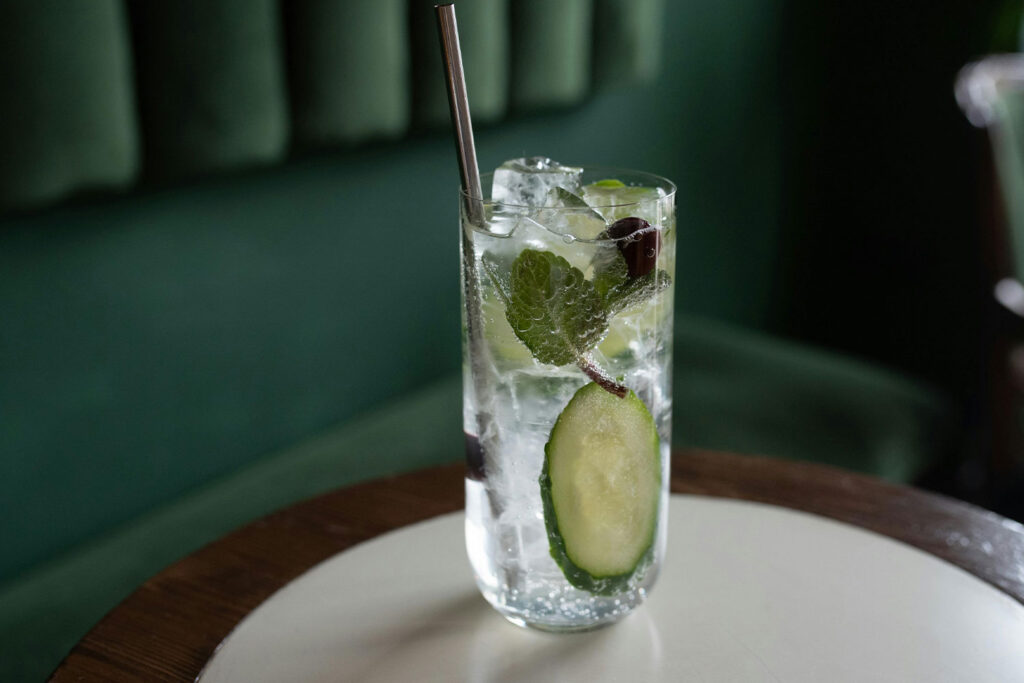
6. Explore Non-Alcoholic Alternatives
The explosion of the mocktail movement makes intermittent sobriety easier than ever. Whether at restaurants, bars, or home, zero-proof drinks are now sophisticated, flavorful, and fun.
Dr. Sanjay Gupta points out that 93% of people who buy non-alcoholic beverages also buy traditional alcohol. This means most are finding a middle ground — not eliminating drinking altogether, but expanding their options.
Tips for experimenting:
- Try non-alcoholic beers, wines, or spirits from brands like Seedlip, Ritual, or Athletic Brewing
- Craft homemade mocktails with sparkling water, juices, herbs, and fruit
- Add garnishes — mint, citrus, sugared rims — to elevate the experience
- Check labels for sugar content and trace alcohol levels (up to 0.5%) if you want to avoid it completely
These alternatives allow people to participate socially without compromising their goals — a cornerstone of the intermittent sobriety lifestyle.

7. Prepare for Social Pressures and Cultural Expectations
One of the most challenging aspects of drinking less is navigating social norms. In many circles, saying “no thanks” to alcohol can still raise eyebrows.
As Dr. Lee explains:
“There’s an expectation that you’ll drink wherever you go; if you’re not drinking, people can find it confronting and might pressure you to have ‘just one.’”
To avoid awkwardness or peer pressure, reframe social events so alcohol isn’t the centerpiece.
Strategies include:
- Hosting mocktail nights or alcohol-free gatherings
- Bringing your own non-alcoholic beverage to parties
- Having a polite but firm response ready (“I’m taking a break this week”)
- Surrounding yourself with supportive friends who respect your choices
As Peta Adams wisely says, “Alcohol should be part of the event, not the event itself.”

8. Monitor Your Mindset and Mental Clarity
While many people begin intermittent sobriety for physical health, they often stay for the mental clarity it brings.
After just a few weeks without alcohol, common outcomes include:
- Reduced anxiety and stress
- Improved mood stability
- Sharper focus and decision-making
- Greater emotional resilience
Dr. Lee observes that “many people report feeling clearer and less stressed, with better mood and concentration after just a few weeks off from alcohol.”
The relationship between alcohol and mental health is complex, but the link is undeniable — less drinking often equals more calm, energy, and confidence.

9. Build a Sustainable, Enjoyable Routine
Intermittent sobriety thrives on balance, not deprivation. Rather than focusing on what’s being removed (alcohol), focus on what’s being added — better sleep, more energy, meaningful connection, and self-awareness.
To make your sober days sustainable:
- Plan rewarding activities like hiking, creative hobbies, or cooking new meals
- Stay hydrated and eat nutrient-dense foods to replenish your body
- Practice self-compassion on days you do drink — avoid guilt and shame
- Celebrate milestones (one week, one month, or one social event alcohol-free)
Dr. Gupta reminds us that moderate drinking myths have been debunked — no amount of alcohol is truly beneficial. So, every break you take supports your long-term health.
As he puts it:
“While fully eliminating alcohol would likely be the best choice, cutting back on frequency is probably a step in the right direction.”

10. Remember: Any Break Is a Good Break
Intermittent sobriety isn’t about perfection or purity. It’s about awareness — and giving your body and mind the opportunity to reset.
Whether you skip alcohol one weekend a month or take a full sober season, each pause offers valuable insight into how drinking affects your life.
As Dr. Lee concludes:
“Ultimately, any break you take from alcohol is good.”
By viewing alcohol as an occasional indulgence rather than a default habit, you reclaim control over your choices — and open space for greater health, connection, and clarity.