In recent years, the idea of “mindful drinking” has become a popular approach for people who want to be more present and intentional when choosing whether to enjoy alcohol. Rather than focusing on strict rules or labels, mindful drinking simply encourages awareness — noticing your habits, your motivations, and how each moment feels.
This movement speaks to people seeking balance, clarity, or a more reflective approach to social rituals. From intentional pauses to paying closer attention to taste and sensation, mindful drinking offers gentle, practical ways to make drinking a more thoughtful experience.
Below are ten lifestyle-oriented strategies to bring greater presence into your drinking habits, inspired by authors, creators, and communities who are reframing how we think about alcohol.
1. Understand What “Mindful Drinking” Really Means
At its core, mindful drinking applies the principles of mindfulness — curiosity, presence, and reflection — to the moments when you choose to drink.
Rosamund Dean, author of a book on the subject, explains:
“It’s the drinking you do without really thinking about it. Mindful drinking means bringing awareness to your behaviors in terms of your decision to drink alcohol.”
Instead of acting on autopilot, mindful drinking encourages you to pause and ask:
- Why am I choosing to drink right now?
- What do I hope this moment will feel like?
- Is this enhancing or distracting from my experience?
This shift turns drinking into a conscious choice rather than a default behavior.
2. Recognize You Don’t Need to Hit Rock Bottom
Mindful drinking isn’t something reserved for extreme situations or dramatic turning points. As Dru Jaeger from Club Soda explains:
“Collectively, we’ve inherited this story about alcohol that the only way to change your drinking is if you’ve hit rock bottom.”
In reality, many people are simply curious about how different choices might influence their day-to-day life. Mindful drinking welcomes anyone who wants to explore intention, whether out of curiosity, personal growth, or lifestyle alignment.
3. Take a Structured Break from Alcohol
Many people find it helpful to pause drinking for a defined period — such as during Dry January or a personal 30-day reset. Ruby Warrington recommends choosing a timeframe that feels meaningful.
This break creates space to observe your habits and sensations more clearly. During this period, consider questions like:
- When do I tend to think about having a drink?
- What moments feel most connected to this ritual?
- How does it feel to experience those moments differently?
Warrington puts it simply:
“If you really want to have a glass of wine, have a glass of wine. But pay attention to the sensation of drinking it… Stay curious.”
4. Identify What You Like (and Don’t Like) About Drinking
Self-reflection helps you understand your preferences more deeply. Dr. Kenneth Stoller notes the value of looking at both sides of the experience:
What do you enjoy — the taste, the ritual, the setting?
What feels less aligned — perhaps the late nights, the sluggish mornings, or the way it interrupts routines?
By separating the elements you appreciate from those you don’t, it becomes easier to choose what genuinely feels good for you.
5. Make a Plan Before You Drink
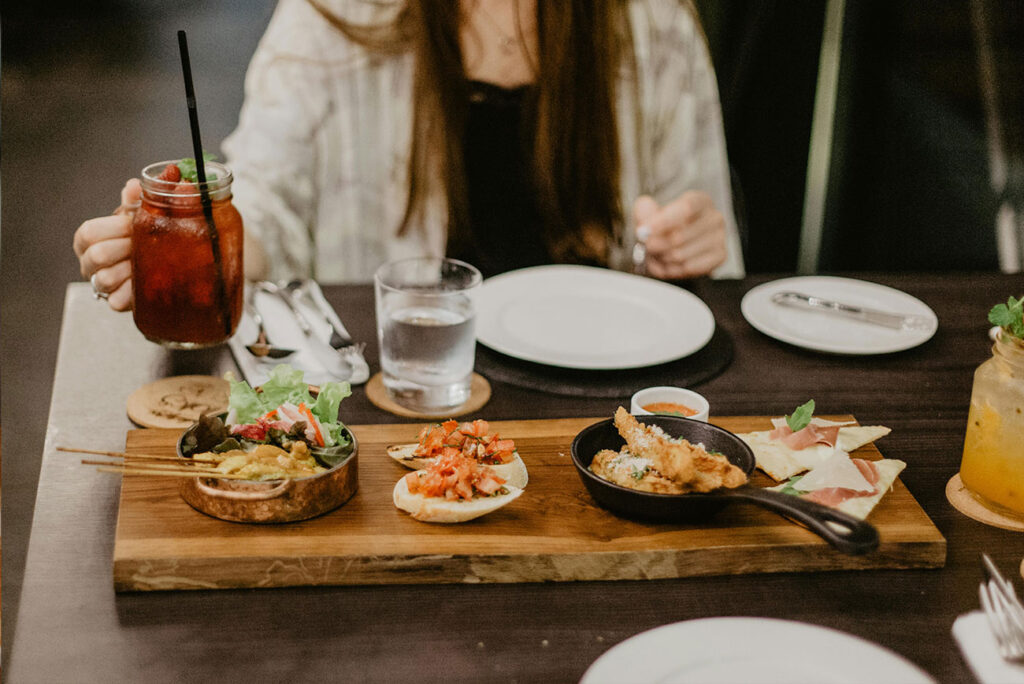
Intentional choices feel easier when you think ahead. Setting boundaries before you start drinking may help you stay aligned with your goals.
Examples include:
- Going out with a friend who also values mindful drinking
- Eating beforehand
- Choosing lower-ABV drinks or smaller pours
Dean follows a personal guideline known as the “rule of three”:
no more than three drinks, on no more than three nights per week.
She often finds she ends up drinking less simply because the intention is set in advance.

6. Replace Automatic Drinking Rituals with New Habits
Many drinking moments are built around familiar routines — a glass of wine after work, a beer during the game, a cocktail at a celebration.
Mindful drinking invites you to experiment with small substitutions, such as:
- Taking a brief walk
- Sipping flavored sparkling water
- Having a non-alcoholic cocktail
- Calling a friend for connection
Over time, you may discover new rituals that feel just as enjoyable.
7. Ask Questions in the Moment
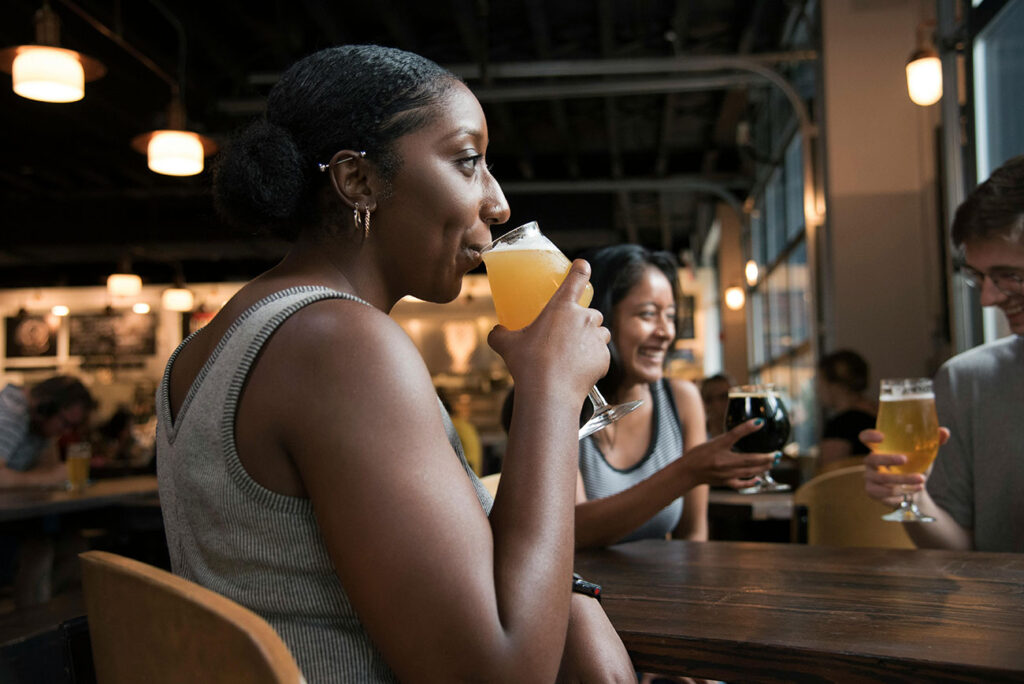
When you reach for a drink, pause and ask:
- What do I want this moment to feel like?
- Am I seeking enjoyment or avoiding something else?
- Is there another choice that would also feel good?
Millie Gooch of the Sober Girl Society emphasizes:
“Keep asking questions about the motivating factors behind your alcohol consumption — like the friends with whom you drink the most, and the situations that tempt you.”
The purpose is exploration, not judgment.
8. Pay Attention to the Full Drinking Experience
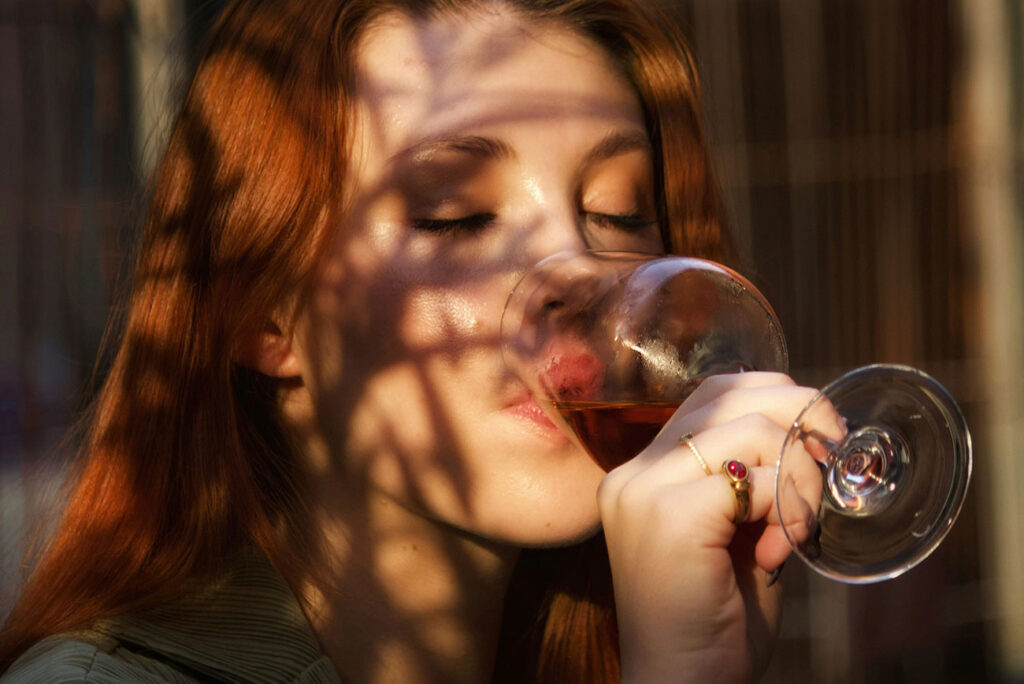
If you decide to drink, presence can transform the moment.
Tune into:
- The aroma
- The first sip
- The texture
- The way each drink feels in your body
Ruby Warrington suggests asking:
“How does the wine taste? What prompted you to crave alcohol? How do you feel the next day?”
This awareness naturally creates boundaries without forcing restrictions.
9. Learn from Science-Backed Mindfulness Techniques
Research shows that mindfulness can positively influence decision-making. A 2017 British study found that a brief mindfulness practice helped participants become more intentional about their choices around alcohol in the following week.
Lead researcher Sunjeev Kamboj believes this is because mindfulness helps people become more aware of their emotional responses and choose actions aligned with their values.
This demonstrates how even small mindful moments — a deep breath, a brief pause — can shape how you approach drinking.
10. Build a Support Network
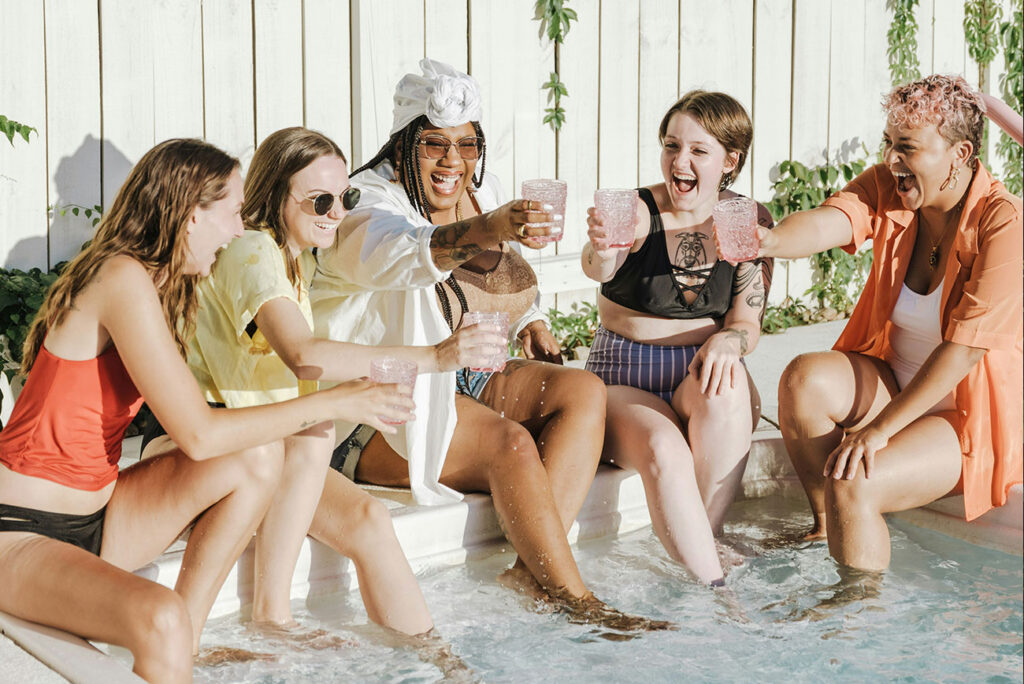
Connection makes mindful practices easier. Groups like Club Soda and Sober Girl Society offer:
- Alcohol-free social events
- Community conversations
- Gentle accountability
These spaces help normalize curiosity, provide inspiration, and make intentional drinking feel easier within social circles.
Final Thoughts: Mindful Drinking as a Lifelong Practice
Mindful drinking is an ongoing exploration of presence, choice, and self-awareness. Over time, it shifts drinking from something automatic to something thoughtful and intentional.
By paying attention to your motivations, experimenting with small changes, and tuning into how different choices feel in your body and your life, you can create a drinking rhythm that aligns with your personal goals and values.
As Rosamund Dean says:
“Bringing awareness to your behaviors in terms of your decision to drink alcohol” can transform not just how you drink, but how you live.