Across the United States, a new kind of nightlife is flourishing — one where connection, creativity, and craft drinks take center stage, and alcohol doesn’t make the guest list. From Austin to New York City, sober bars are transforming how people gather, socialize, and celebrate.
Once a niche idea, these alcohol-free venues now reflect a broader movement toward mindful living, wellness, and inclusion. The rise of “zero-proof” cocktails, #SoberCurious lifestyles, and sober social spaces proves that the future of nightlife may be less about intoxication and more about intention.
Here are 9+ ways sober bars are redefining nightlife, culture, and community across America.
1. The Sober Bar Concept Is About Inclusion, Not Restriction
A sober bar isn’t about exclusion — it’s about creating space for everyone. These venues mimic the ambience of traditional bars, complete with skilled mixologists, curated menus, and stylish decor. The only difference? Every drink is alcohol-free.
Abby Ehmann, owner of Hekate — a sober bar and tea shop in New York City’s East Village — said her mission was about community, not constraint:
I love to create community, which was the whole purpose of this place — to create the kind of place that people would want to come back to again and again.
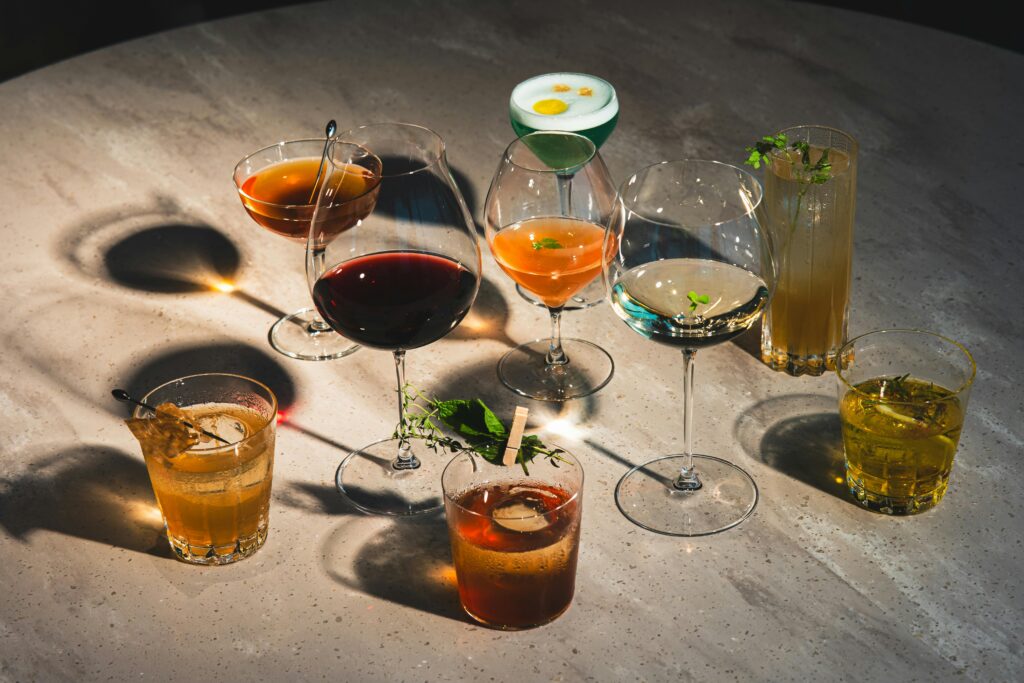
For many patrons, sober bars feel like safe, empowering alternatives where people can connect freely, without pressure to drink — a shift from the decades-old assumption that nightlife requires alcohol to be fun.
2. Timing Is Perfect for the Alcohol-Free Revolution
Cultural attitudes toward drinking are changing rapidly. Interest in Dry January challenges and the #SoberCurious movement has accelerated the demand for inclusive spaces that don’t revolve around alcohol.
Ehmann, who opened Hekate directly across the street from her alcohol-serving bar, Lucky, said the timing couldn’t be better:
There’s never been a better time to be sober.
From college students taking “mindful drinking” breaks to middle-aged adults exploring moderation, people are discovering that community, creativity, and relaxation don’t depend on alcohol.
3. Atmosphere Still Matters — And Sober Bars Nail It
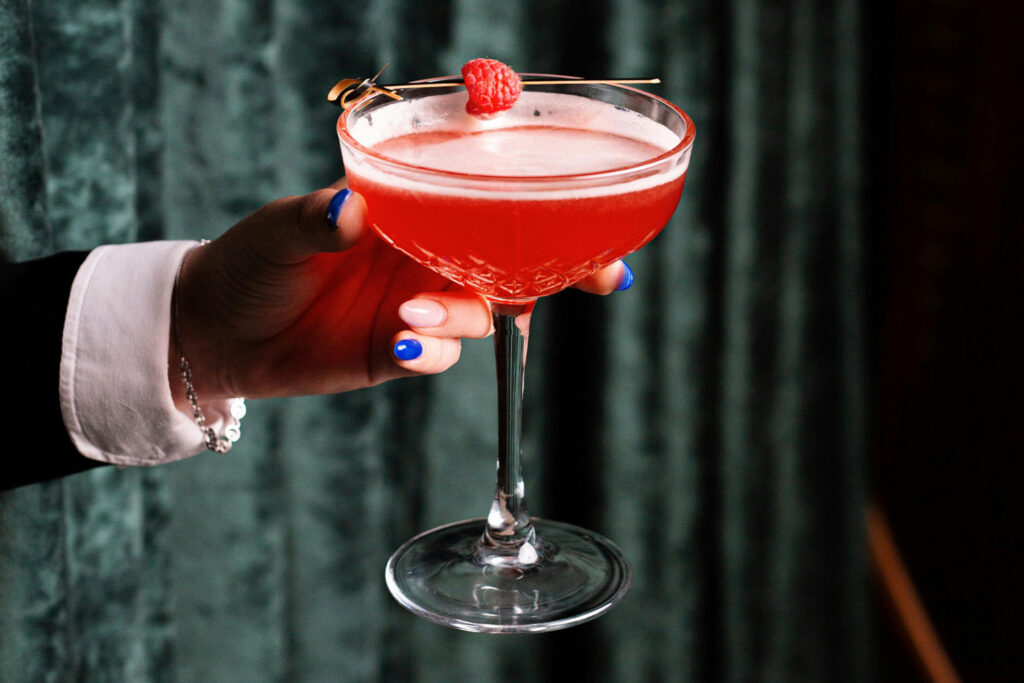
The best sober bars replicate the mood, intimacy, and magic of traditional nightlife — without the hangovers.
When one writer visited Hekate in Manhattan, they described its vibe as “witchcraft meets roadside antique shop,” complete with celestial murals, antique mirrors, and low lighting. The venue’s décor isn’t a substitute for alcohol; it’s a reminder that the experience of nightlife comes from connection and environment, not intoxication.
At Sucker Punch Bar in Portland and Awake in Denver, guests can sip handcrafted mocktails under glowing light fixtures and enjoy the same social energy found in any thriving cocktail bar — just without the next-morning regret.
4. Mocktails Have Become True Craft Creations
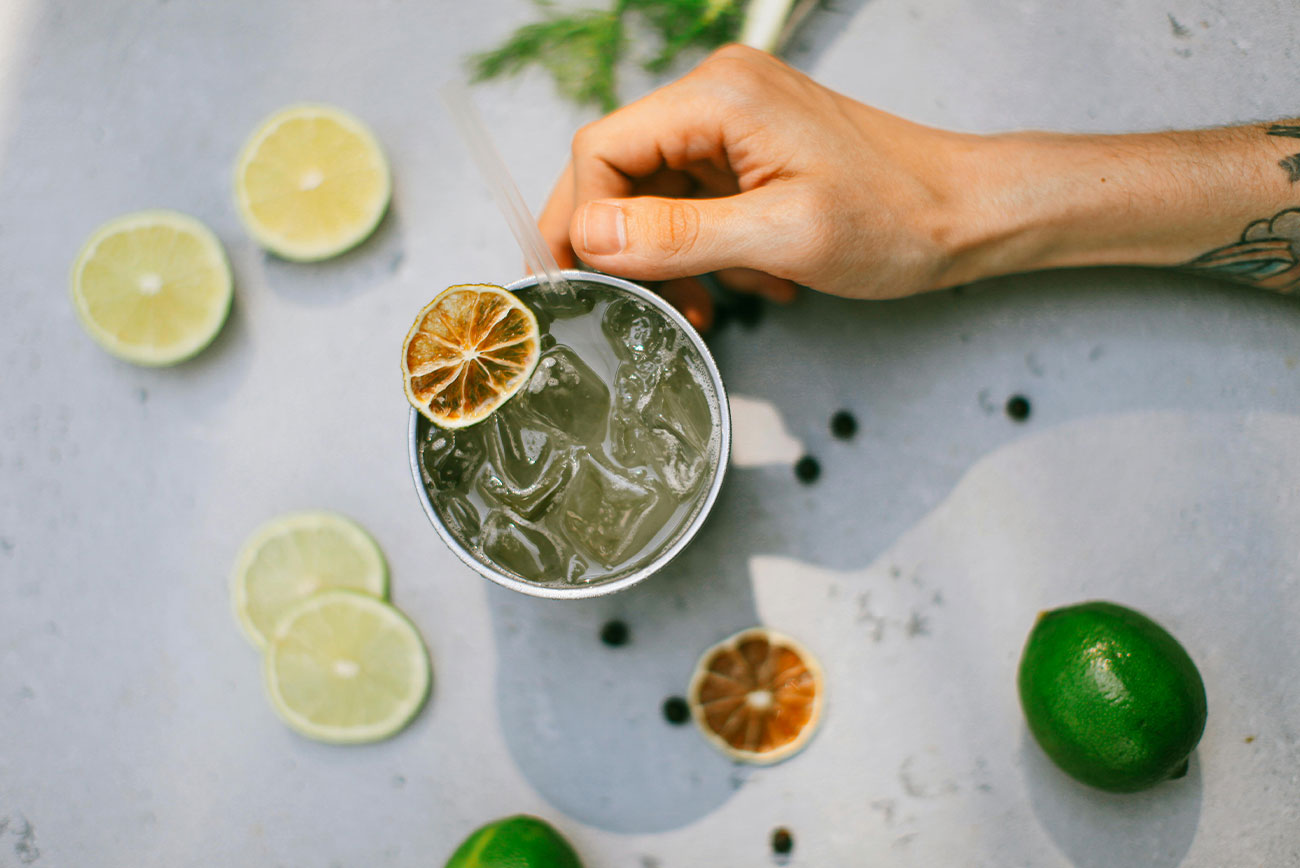
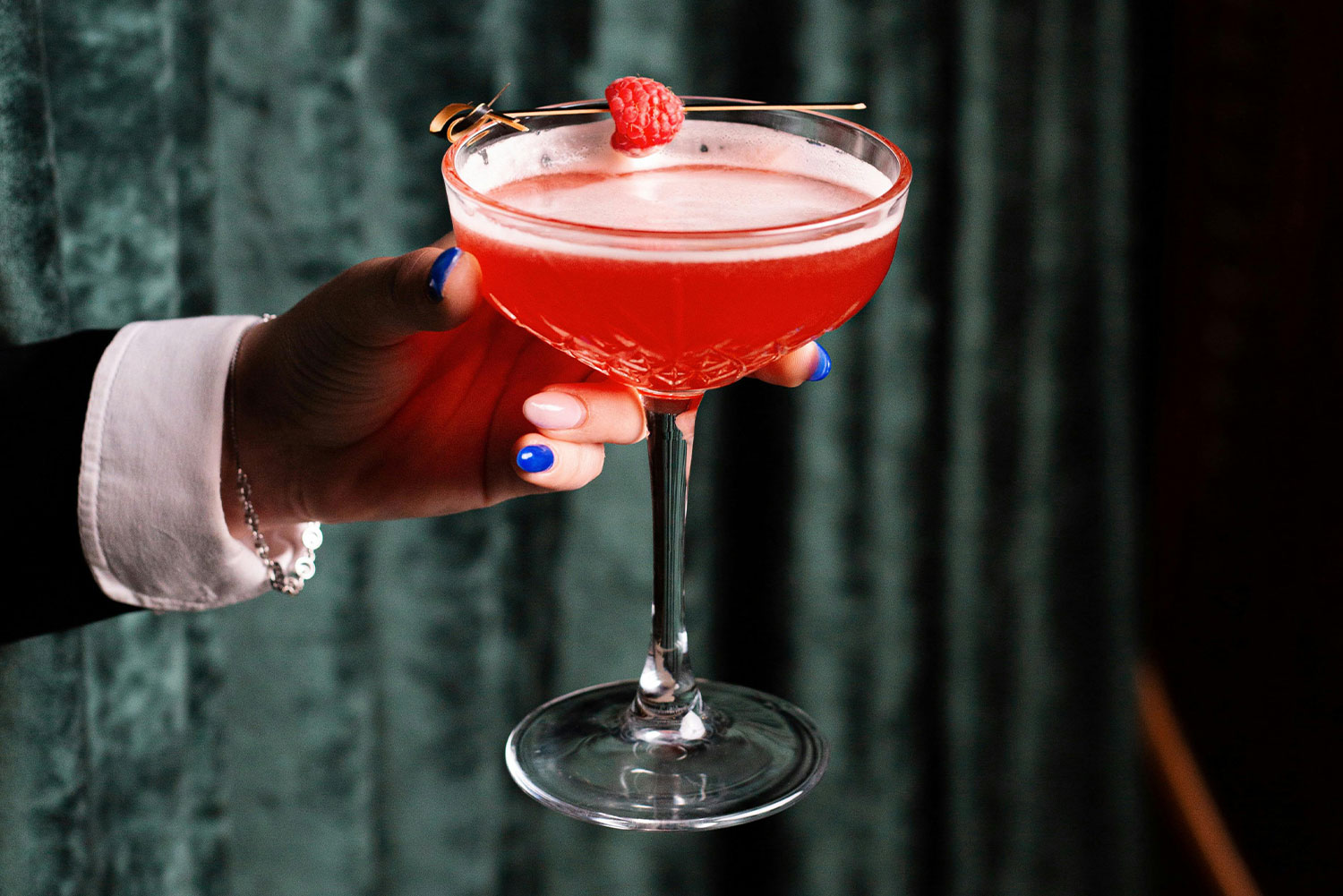
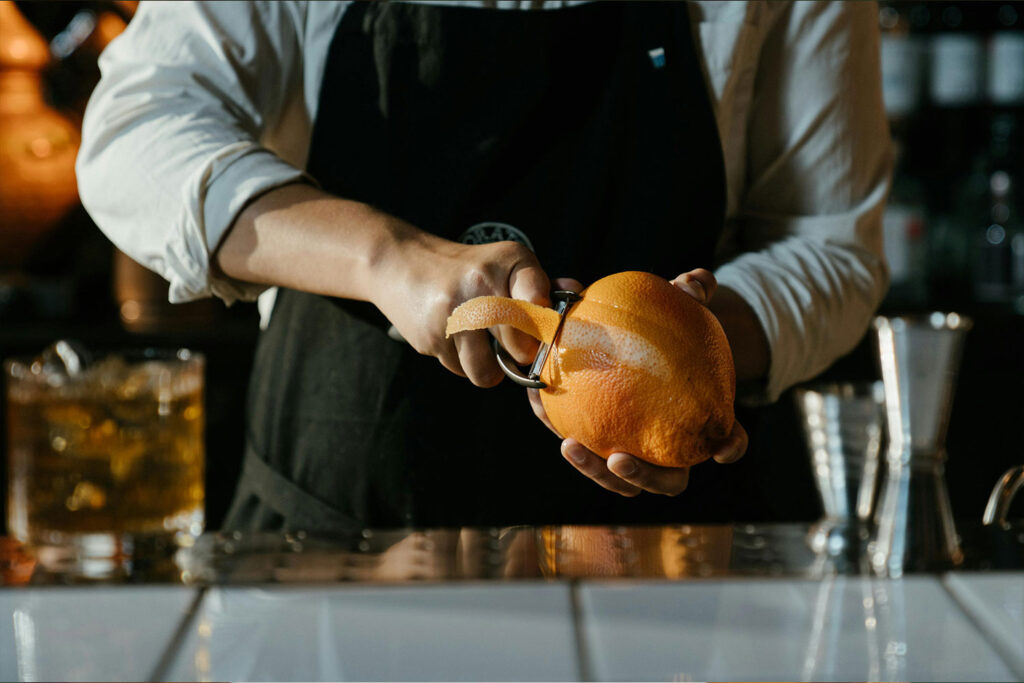
Today’s non-alcoholic cocktails are sophisticated, complex, and visually stunning. They use zero-proof spirits, house-made syrups, and fresh herbs to recreate (or completely reinvent) classic cocktails.
Chris Marshall, founder of Sans Bar in Austin — one of the first alcohol-free bars in the country — explained:
You can charge for a cocktail because you’re giving people an elevated offering.
His team crafts drinks like the Sans-hattan, a non-alcoholic take on the Manhattan made with zero-proof bourbon and bitters. These mocktails carry the same sense of ritual and refinement as traditional cocktails — and often taste just as satisfying.
5. Sober Bars Are Built Around Connection
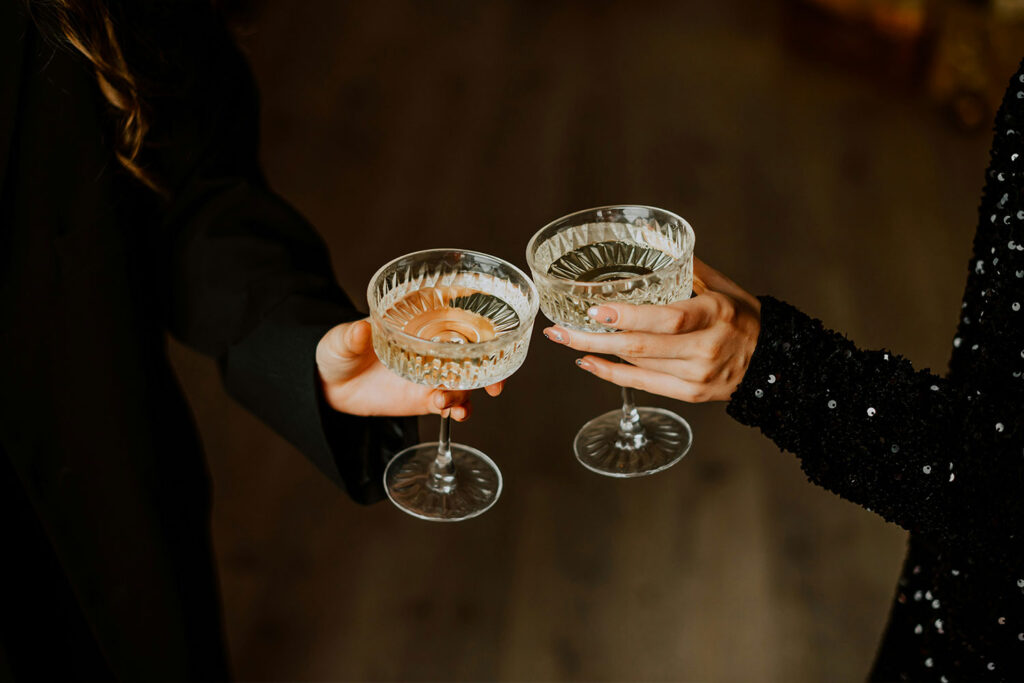
Unlike traditional bars, where conversation sometimes competes with the buzz of alcohol, sober bars foster intentional socializing.
Joshua James, owner of Ocean Beach Café in San Francisco, said customers often come simply to feel included:
They’re just so stoked to see something on the menu — they’re so stoked to be included.
He added that people “don’t really get together over water,” emphasizing that the experience of sharing a beautifully made drink is still central to human connection.
For many, that shared experience — without the pressure of drinking — creates genuine friendships and supportive communities.
6. The Movement Is About Accessibility and Awareness
For decades, people who avoided alcohol often felt left out of social life. Whether due to sobriety, medication, pregnancy, health conditions, or personal preference, options were limited. Sober bars have changed that landscape, offering an inclusive nightlife model that welcomes everyone.
Robert Ashford, owner of Volstead by Unity in Philadelphia, said he opened his alcohol-free bar and restaurant to fill this exact need:
More people are starting to have more knowledge of what zero-proof spirits actually mean. I think we’re seeing this play out in real-time.
These venues remove barriers and stigma, proving that socializing without alcohol can be not only possible — but genuinely enjoyable.

7. The Industry Is Booming Nationwide
Sober bars are no longer confined to coastal cities. They’re thriving everywhere — from Austin to Portland to Miami — each putting its own spin on alcohol-free nightlife.
- Sans Bar (Austin, Kansas City, Los Angeles): A pioneering, Black-owned franchise built on community and inclusivity.
- Awake (Denver): A coffee shop by day, sober bar by night, known for its inventive cocktails using Kin Euphorics and other zero-proof spirits.
- Bar Tonique (New Orleans): Offers a page of mocktails featuring seasonal fruit — and free drinks for designated drivers.
- Oak at Fourteenth (Boulder): Lists every beverage by alcohol content, with a dedicated “No Alcohol” section.
- ArKay House (Laredo, Texas): Serves 40+ alcohol-free drinks alongside food and coffee, creating a hybrid café-meets-bar vibe.
As this network grows, the stigma around choosing not to drink continues to shrink.
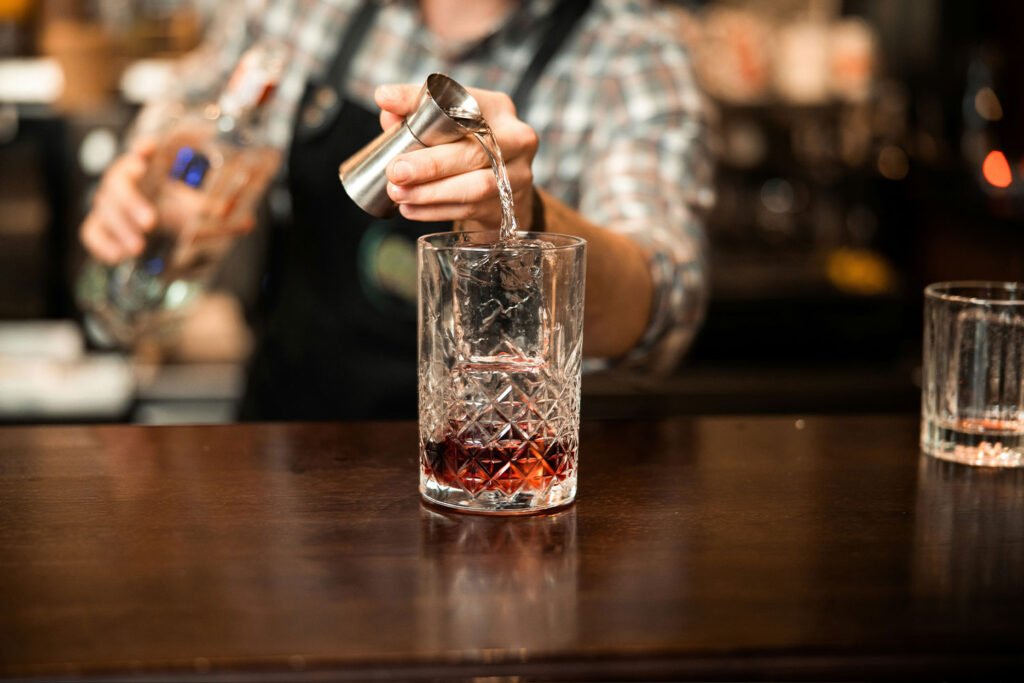
8. Better Ingredients Mean Better Experiences
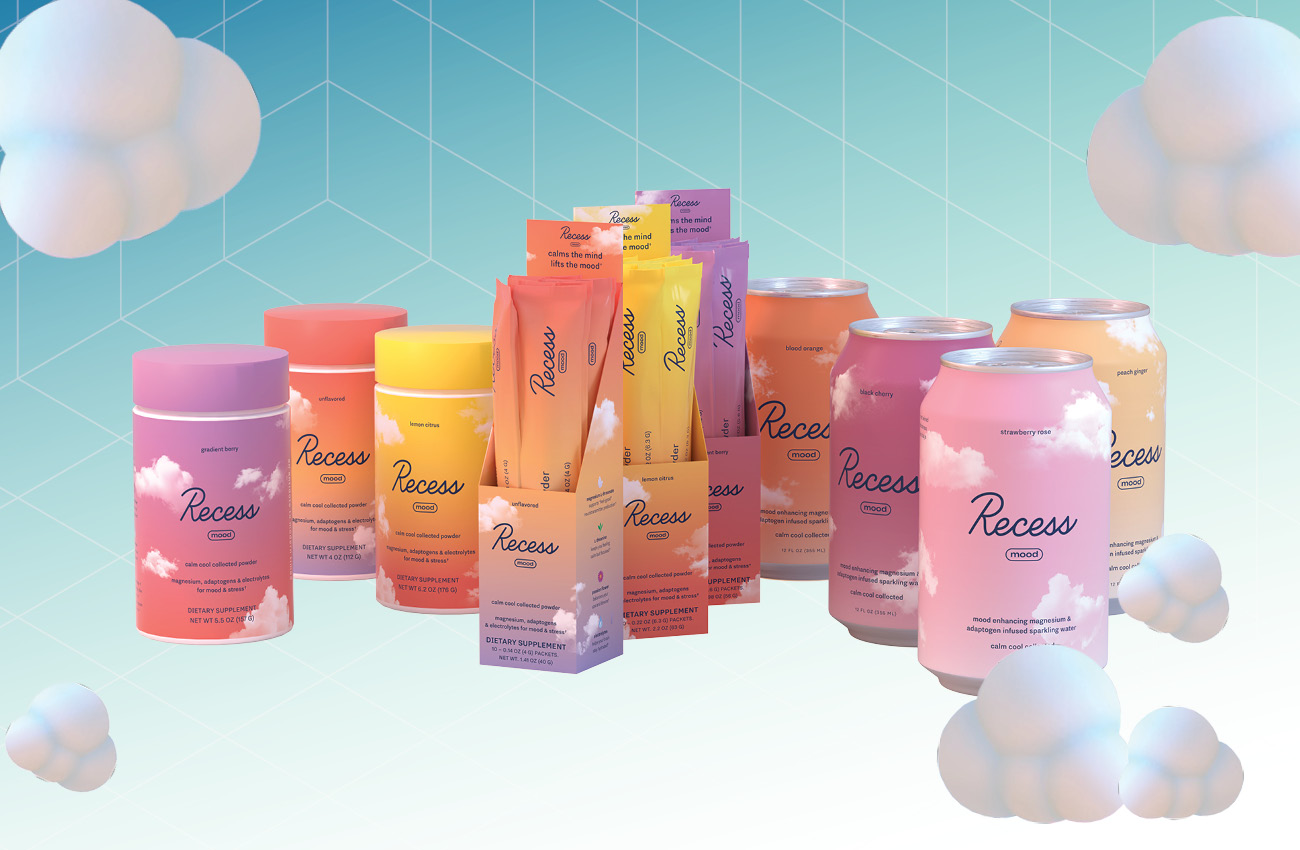
The non-alcoholic beverage industry has exploded. Sales of zero-proof spirits nearly doubled in 2022, outpacing even the booming markets for non-alcoholic wine and beer.
Kyle Letson, a mixologist at Oak at Fourteenth in Boulder, Colorado, shared how this shift has elevated the bar experience for everyone:
You should be able to enjoy yourself — not feel put-out.
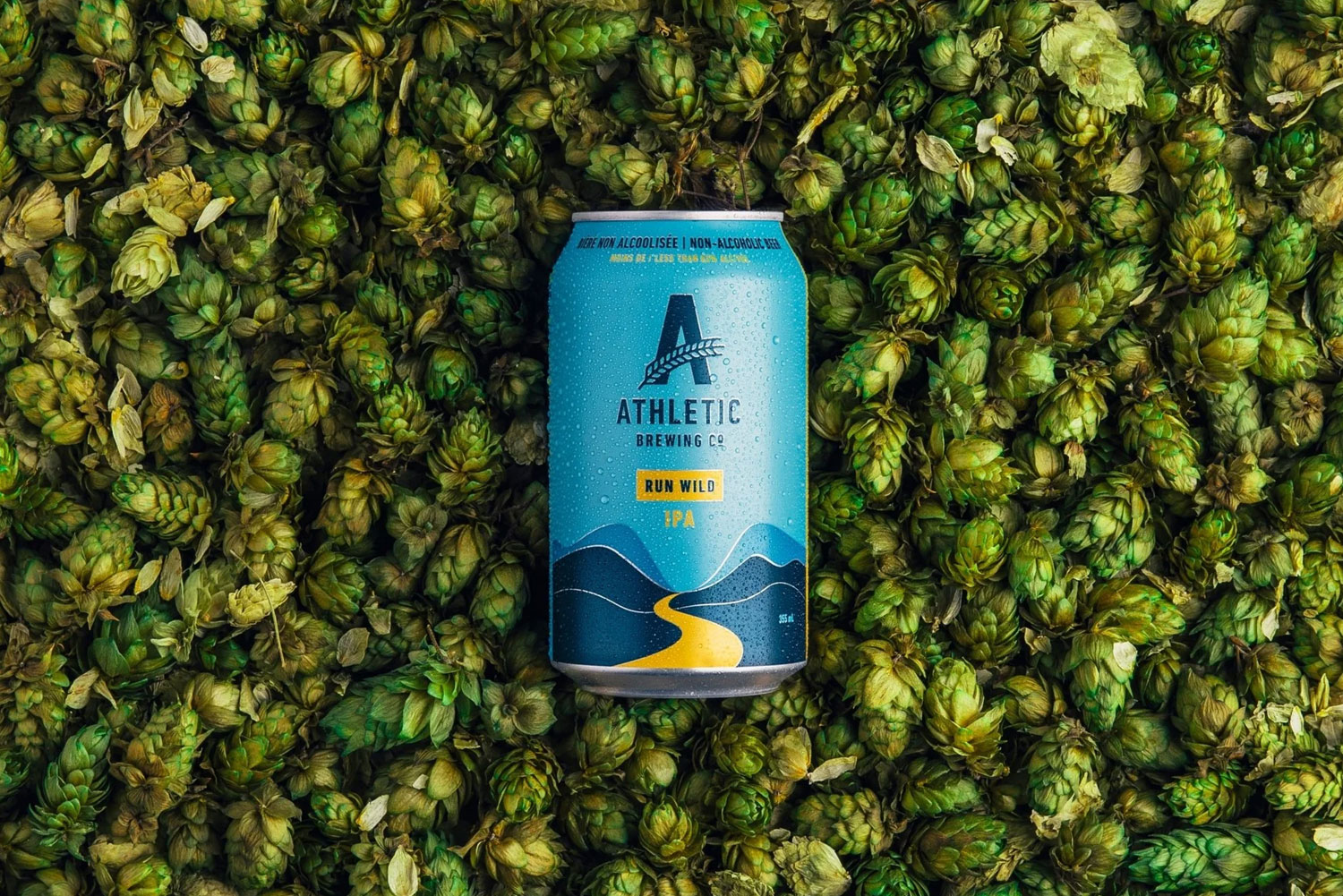
Modern sober bars use ingredients like Seedlip, Lyre’s, and Monday Mezcal to build flavor profiles that rival any craft cocktail. The result? Drinks that look, feel, and taste like the real thing — minus the alcohol.
9. Sober Nightlife Is About Mindfulness and Community
The heart of the sober bar movement isn’t just beverages — it’s belonging. These spaces attract sober, sober-curious, and still-drinking patrons alike, unified by a shared value: connection without intoxication.
When asked why she founded Hekate, Abby Ehmann said the purpose went beyond drinks:
The whole purpose of this place was to create the kind of space that people would want to come back to again and again.
Her sentiment echoes what owners across the country describe — sober bars as anchors of community, places where conversation and creativity replace chaos. Whether celebrating years of sobriety or simply exploring a mindful lifestyle, everyone’s welcome at the table.
10. The Future of Nightlife Is Intention, Not Intoxication
What began as a countercultural curiosity has become a full-fledged movement. From business owners like Chris Marshall and Joshua James to patrons exploring balance, sober nightlife is here to stay.
Marshall reflected on the shift from trend to transformation:
People are really quick to call this a trend. And it’s not. I think this is a movement.
The data, the demand, and the atmosphere all point to the same truth: Americans are craving connection, not cocktails. And in cities across the nation, sober bars are giving them just that — vibrant, creative spaces where no one needs a drink to feel like they belong.
Final Thoughts
Sober bars are rewriting the rules of nightlife. They combine the craft of cocktail culture with the clarity of conscious living — and in doing so, they’ve built something rare: a nightlife rooted in community, inclusion, and care.
Whether it’s the mystical glow of Hekate in New York, the coastal calm of Ocean Beach Café in San Francisco, or the trailblazing energy of Sans Bar in Austin, these venues prove that social connection doesn’t depend on alcohol.
As one bartender put it:
You should be able to enjoy yourself — not feel put-out.
And that’s the essence of the sober bar movement — redefining what it means to unwind, celebrate, and belong.