

1. Start With Inclusion — Not Elimination
Hosting a great sober-friendly event isn’t about removing alcohol; it’s about adding options that make everyone feel seen and comfortable.
Laura Taylor, founder of Mingle Mocktails, said the key to successful parties is making sure everyone feels part of the fun:
Holidays are about bringing friends and family together in fabulous social settings. But it’s really only fun if everyone can partake in the celebration.
Inclusivity begins with intention. When planning, think beyond beverages — consider how to make your space, activities, and invitations reflect that everyone belongs, whether they’re drinking or not.

2. Recognize the Shift Toward Mindful Drinking
A growing number of guests are rethinking their relationship with alcohol. According to a 2024 NCSolutions survey, 41% of Americans plan to reduce their alcohol intake, with that number jumping to 61% among Gen Z.
Mariah Wood, co-founder of the non-alcoholic cocktail brand Tilden, emphasized how this social shift is influencing expectations:
Offering thoughtful options for non-drinking guests is a must, not a plus. Parties without non-alcoholic options feel behind the times.
What used to be considered an afterthought — a soda or bottle of water — is now a marker of respect and modern hosting.
3. Build a Thoughtful, Balanced Drink Menu
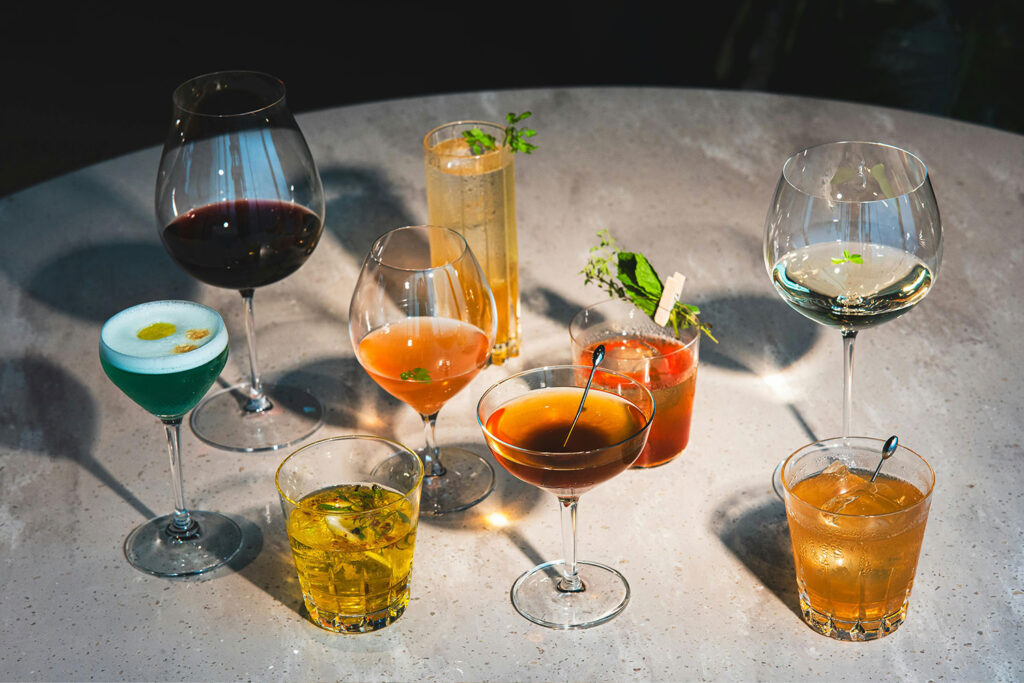
When creating your party menu, equal representation matters.
Wood recommends offering as many non-alcoholic drinks as alcoholic ones, and labeling them clearly:
If you aim to create a sense of equal inclusion, offer a similar number of non-alcoholic options as alcoholic ones. Call your non-alcoholic section something like “Spirit-Free” instead of “Mocktails.”
This simple language choice helps frame sober drinks as legitimate and exciting — not substitutes.
Taylor agreed, sharing how her early sobriety taught her the importance of quality alcohol-free options:
When I first got sober, I brought cans of diet ginger ale to parties because the only other option was club soda, but it still didn’t feel special. Nowadays, hosts can select non-alcoholic spirits, wines, and mocktails so everyone can enjoy the fun.
4. Communicate Inclusivity Before the Party Starts
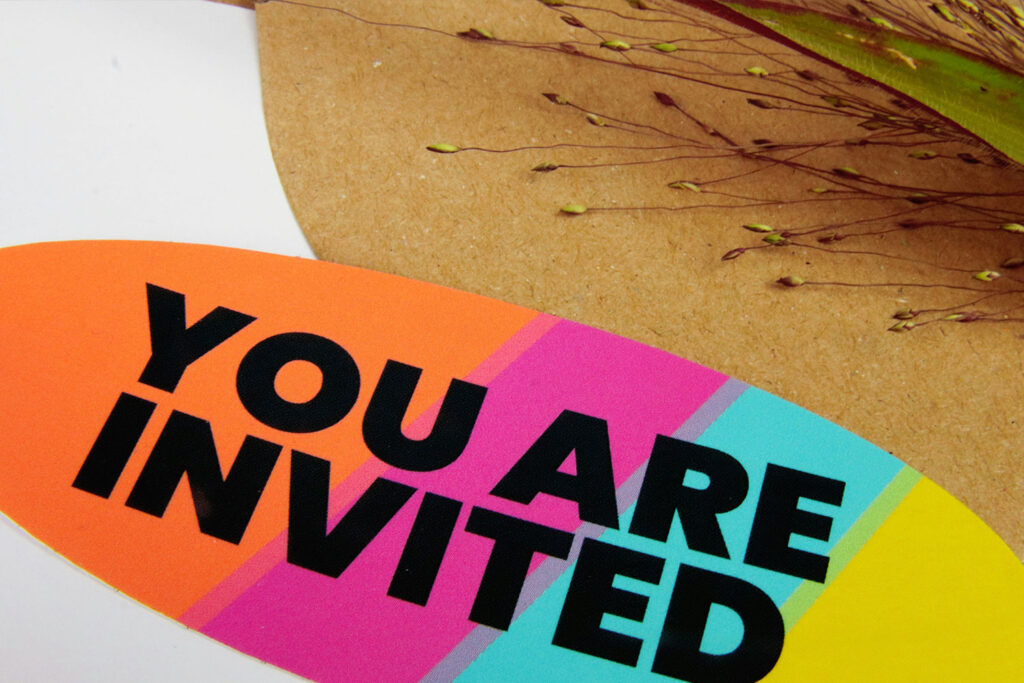
Inclusivity starts before guests walk through the door. Make it clear from the invitation that your party will feature great alcohol-free options.
Vanessa Royle, Wood’s co-founder at Tilden, explained:
Make it obvious on any invite or communication that there will be adult non-alcoholic options available. The holidays can be a hard time for those who are sober or trying to moderate, and it’s a huge relief if you can offer an inclusive environment from the start.
This small gesture reduces anxiety for guests who might otherwise wonder if they’ll need to bring their own drinks or navigate awkward questions.
5. Simplify the Bar Setup
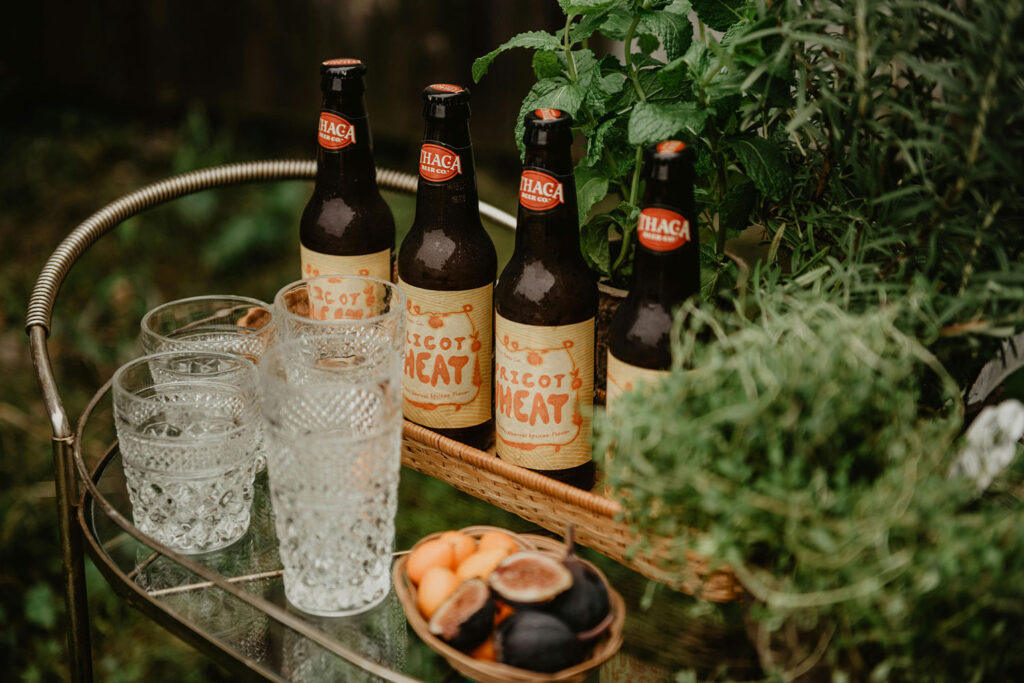
You don’t need to run a professional bar to host a balanced event. A few intentional choices can elevate your setup and keep things simple.
Royle recommends choosing high-quality non-alcoholic drinks with complex flavor profiles:
Creating a sophisticated non-alc option from scratch isn’t easy. Find quality non-alcoholic drinks the way you’d look for a great tequila, bourbon, or bitters.
Wood adds that presentation can also encourage interaction:
I love to set up a non-self-serve bar at my parties, where the one rule is that you’re not allowed to pour yourself a drink.
This kind of setup fosters conversation and connection, helping people mingle naturally — without needing alcohol as a social crutch.

6. Plan for Guests Who Are Sober — and Respect Their Boundaries
For many, sobriety isn’t just a choice — it’s a commitment or a form of self-care. That’s why respect and empathy are essential to inclusive hosting.
Khadi Oluwatoyin, founder of the Sober Black Girls Club, stressed that inclusion begins with the guest list itself:
Invite people out. Don’t exclude people who are in sobriety. Have compassion for wherever they are in their stage of recovery. If they decline, then they decline.
She also advises gathering information beforehand — just as you might for dietary restrictions — to learn guest drink preferences and make accommodations ahead of time.
Oluwatoyin emphasized setting clear expectations at the start of an event:
Don’t question anyone’s decision not to drink or not to consume marijuana. Understanding that “no” means no.
Simple communication and a few ground rules go a long way in helping everyone feel safe and respected.
7. Offer Equal Presentation and Experience
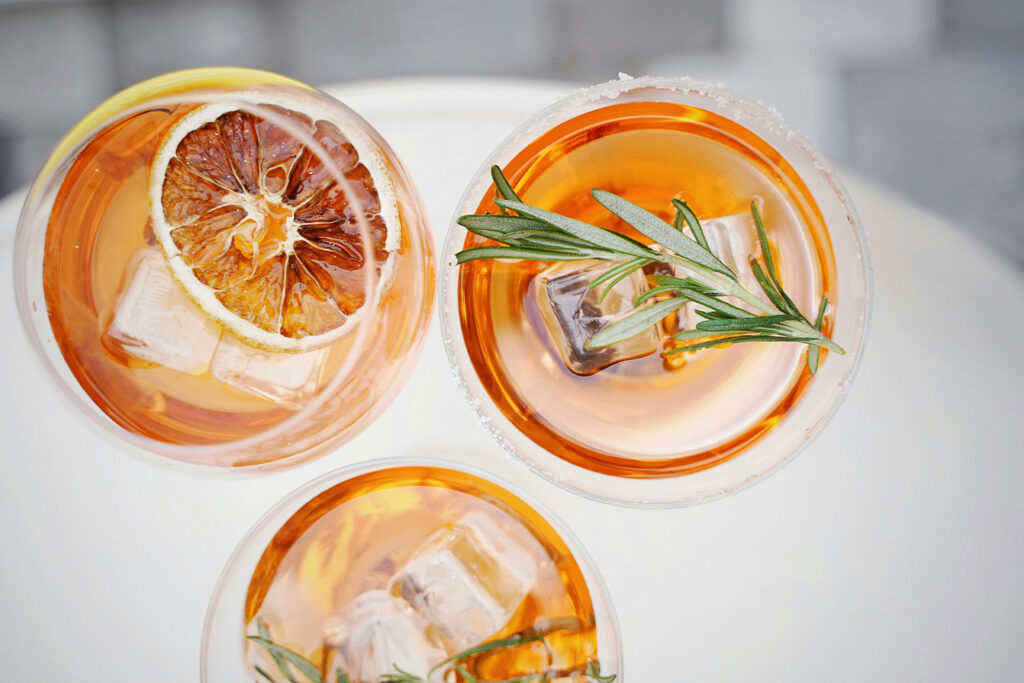
Even if guests aren’t drinking alcohol, they still deserve the same sense of celebration and sophistication.
Ed Eiswirth, director of beverage operations for Royal Caribbean, said presentation is one of the most powerful ways to make non-drinking guests feel included:
Those not drinking may feel self-conscious and want to hold something that doesn’t single them out as different.
That’s why Royal Caribbean serves zero-proof cocktails in the same glassware as alcoholic ones, with identical garnishes and visual flair. Whether it’s a Blueberry Nojito or a Leitz Eins Zwei Zero Sparkling Riesling, presentation signals that every drink — and every guest — matters equally.

8. Make Entertainment the Centerpiece, Not Alcohol
Memorable parties are built on energy, not intoxication. Creating the right vibe — music, food, and shared activities — can make or break your event.
Party planner Ramona Cruz-Peters recommends focusing on lively entertainment to fill the space alcohol often occupies:
Good food, music, and company are all you need for a memorable time.
She suggests live music or a great DJ when possible, but adds that simple activities like card or board games can bring the same joy. Games such as Scattergories, Phase 10, and Taboo can spark laughter, teamwork, and genuine connection — no cocktails required.
9. Have Fun With Flavor and Presentation
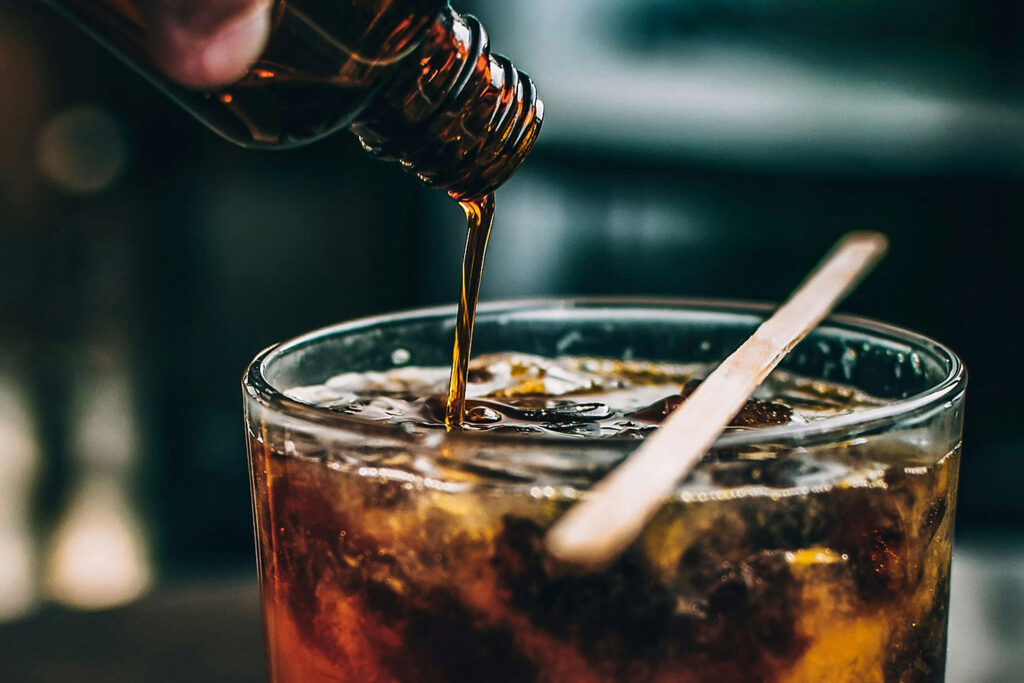
Non-alcoholic hosting gives you a creative playground for flavors, textures, and garnishes.
Cruz-Peters shared one of her favorite party-planning techniques:
During a fall party I used apples, apple cider, pumpkin pie spice, cinnamon, and fall herbs with cheeses, pastries, and beverages. The dishes and drinks were different, but the flavors flowed.
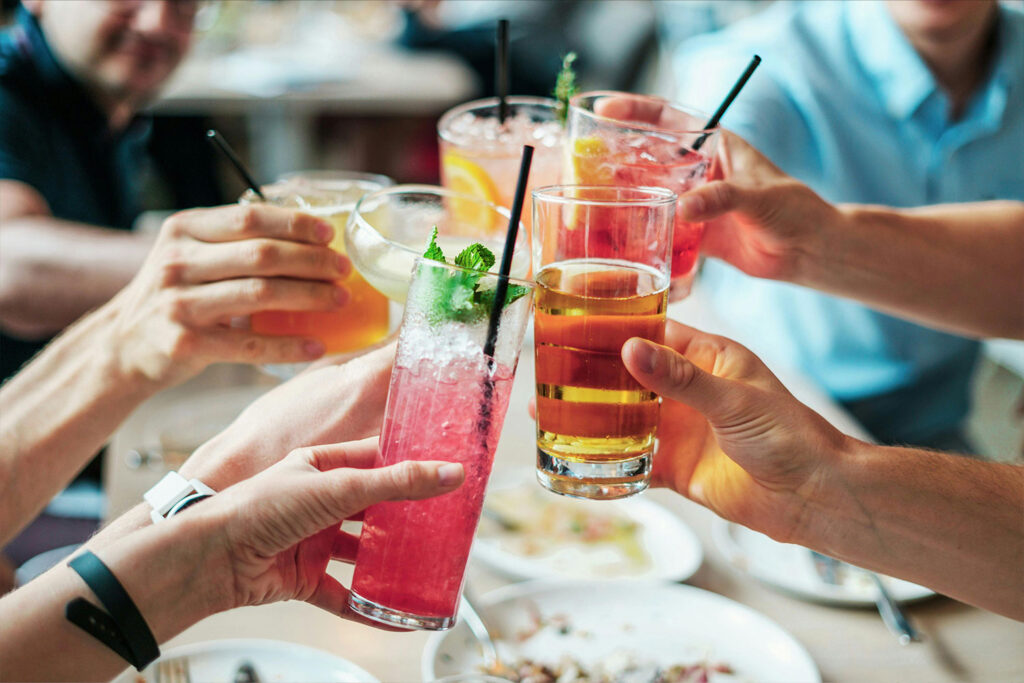
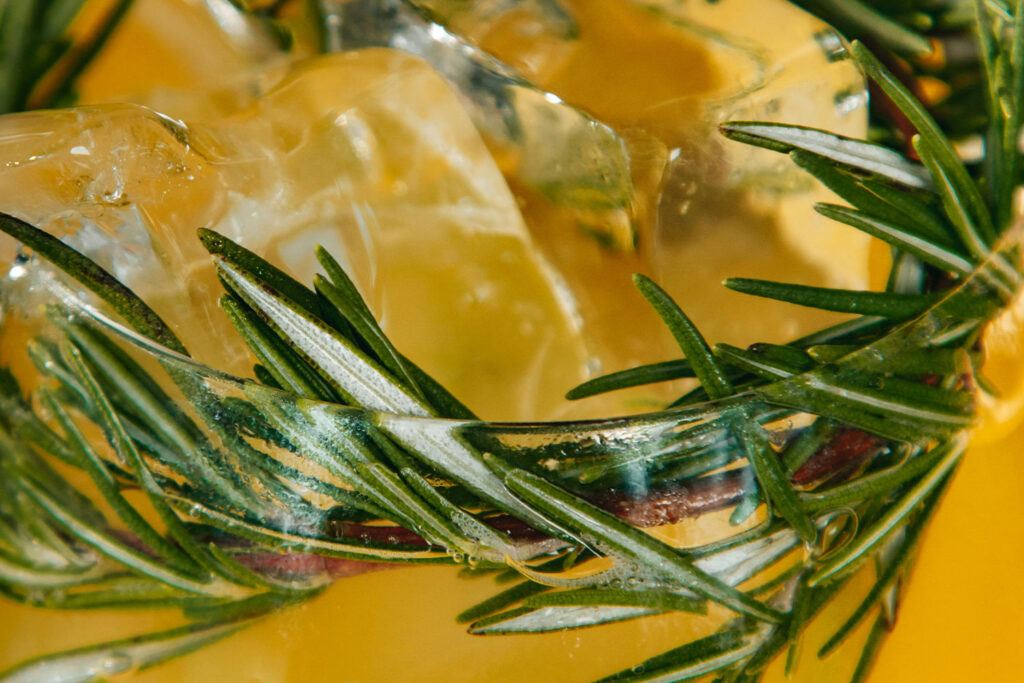
She also recommends fresh herbs and seasonal garnishes — basil with berries, rosemary with citrus — to make drinks pop both visually and aromatically.
Taylor adds that festive glassware and garnishes make even the simplest drink feel special:
Set out some festive glassware, bowls of fun garnishes, and an ice bucket filled with chilled mocktails and sparkling wines, alongside a few popular spirits.
10. Don’t Forget the Golden Rule: Respect Everyone’s Choice
Perhaps the most important hosting rule is also the simplest: respect boundaries. Never pressure or question a guest’s decision not to drink.
As Oluwatoyin reminded, sobriety doesn’t need explanation:
“No” is a complete sentence and a full explanation.
And for guests navigating sobriety, she offered a reminder of self-care and agency:
Honor your body and your own personal boundaries. When you are ready to leave, it’s OK to go.
Hosting an inclusive event isn’t about perfection — it’s about compassion. The best parties are those where everyone feels free to be themselves, no explanations required.
Final Thoughts
Sober party hosting is more than a trend — it’s the future of hospitality. With mindful drinking on the rise and alcohol-free options better than ever, inclusive entertaining is becoming the new social standard.
As Taylor put it best:
Cultivating a menu that balances alcoholic, non-alcoholic, and low-ABV options is very important so that all guests feel catered to.
The key to great hosting isn’t what’s in the glass — it’s how you make people feel. When you center connection, creativity, and care, you create an experience everyone can celebrate — together.